Economically Disadvantaged Groups in India: Challenges, Reality, and the Path Forward
Economically disadvantaged groups in India face daily challenges related to food, education, healthcare, employment, and housing. While…
Economically Disadvantaged Groups in India: Challenges, Reality, and the Path Forward
Economically disadvantaged groups in India face daily challenges related to food, education, healthcare, employment, and housing. While development has improved many sectors, inequality still affects a large section of society, especially those living in rural areas, urban slums, and marginalized communities.
Understanding the condition of economically disadvantaged groups is important because economic hardship impacts every aspect of life and limits opportunities for future growth.
These challenges affect not only individuals but also the overall progress of the nation. In this situation, non-governmental organizations (NGOs) such as UNESSA play an important role in supporting marginalized communities and helping them build a better future.
Who Are Economically Disadvantaged Groups?
Economically disadvantaged groups are people or communities with limited financial resources and poor access to basic necessities. These groups often include:
- Daily wage laborers
- Landless farmers
- Slum dwellers
- Migrant workers
- Scheduled Castes (SC) and Scheduled Tribes (ST)
- Widows and single-parent families
- Children from low-income households
- People with disabilities
- Unemployed youth
Many families survive on irregular income, making it difficult to afford education, healthcare, nutritious food, and safe housing.
Major Challenges Faced by Economically Disadvantaged Groups
1. Lack of Quality Education
Education is one of the strongest tools for escaping poverty, but many underprivileged children do not have access to proper schools, study materials, or digital resources. Some children drop out early to support their families financially through labor or small jobs.
Poor education limits employment opportunities and continues the cycle of poverty across generations.
2. Unemployment and Low Wages
Many economically weaker individuals work in informal sectors such as construction, domestic work, street vending, or agriculture. These jobs often provide low income, no job security, and unsafe working conditions.
Seasonal unemployment in rural areas also increases financial instability for families.
3. Poor Healthcare Access
Healthcare remains expensive and inaccessible for many low-income families. Lack of nearby hospitals, medicines, sanitation, and awareness often leads to untreated illnesses and poor health conditions.
Children and elderly people are especially vulnerable to malnutrition and preventable diseases.
4. Inadequate Housing and Sanitation
Millions of people in India live in overcrowded slums or temporary shelters without clean drinking water, toilets, or electricity. Poor living conditions increase the spread of diseases and negatively affect physical and mental well-being.
5. Social Discrimination
Economic disadvantage is often connected with caste, gender, and social inequality. Many marginalized communities continue to face discrimination that limits access to jobs, education, and equal opportunities.
Impact on Children
Children from economically disadvantaged families are among the most affected. Poverty can force them into child labor, early marriage, or school dropout. Many suffer from poor nutrition, emotional stress, and lack of exposure to skill development opportunities.
Without support, these children may struggle to break free from poverty as adults.
The Role of NGOs like UNESSA
Organizations like UNESSA work at the grassroots level to uplift economically disadvantaged communities and provide opportunities for long-term development.
1. Supporting Education
UNESSA and similar NGOs help children continue their education by providing:
- School supplies and uniforms
- Scholarships and tuition support
- Digital learning resources
- After-school mentoring programs
Education empowers children to break the cycle of poverty and create better opportunities for themselves.
2. Skill Development and Employment
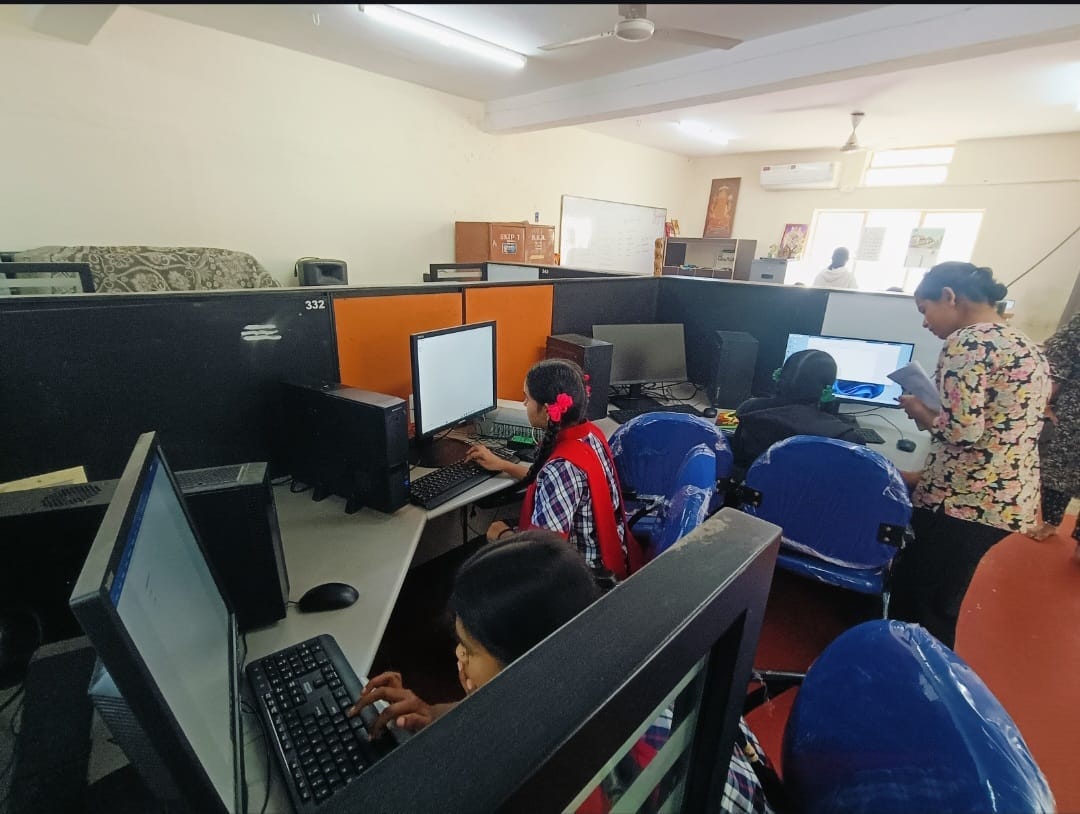
NGOs organize vocational training programs that teach practical skills such as tailoring, computer literacy, handicrafts, and entrepreneurship. These programs help individuals become financially independent.
3. Healthcare and Nutrition
Many NGOs conduct:
- Free medical camps
- Nutrition awareness programs
- Vaccination drives
- Mental health support initiatives
These efforts improve the overall well-being of vulnerable communities.
4. Women Empowerment
Women from economically weaker backgrounds often face financial dependence and limited opportunities. NGOs encourage self-help groups, financial literacy, and small business support to empower women socially and economically.
5. Disaster Relief and Emergency Support
During floods, pandemics, or other emergencies, NGOs provide food, medicines, clothing, and temporary shelter to affected families.
Government Efforts
The Indian government has introduced several schemes to reduce poverty and improve living conditions, including:
- Pradhan Mantri Awas Yojana (Housing)
- Mid-Day Meal Scheme
- Mahatma Gandhi National Rural Employment Guarantee Act (MGNREGA)
- Ayushman Bharat Health Scheme
- Public Distribution System (PDS)
While these initiatives have helped many people, effective implementation and awareness remain important challenges.
The Way Forward
Improving the lives of economically disadvantaged groups requires collective effort from governments, NGOs, businesses, and citizens. Equal access to education, healthcare, employment, and social protection can create long-term change.
India’s growth can become truly meaningful only when every individual, regardless of economic background, gets an opportunity to live with dignity, security, and hope.
Conclusion
Economically disadvantaged groups in India continue to face serious challenges, but positive change is possible through education, empowerment, and social support. By working together and supporting inclusive development, society can help millions of people build a better future and break the cycle of poverty for generations to come.
NGOs like UNESSA are making a meaningful difference by empowering communities through education, healthcare, skill development, and social support. Their work proves that with the right guidance and opportunities, lives can be transformed and a more equal society can be built.
To learn more about their work and initiatives, visit:
메타데이터
- post_id
- 3c75314e2cbb
- slug
- economically-disadvantaged-groups-in-india-challenges-reality-and-the-path-forward-3c75314e2cbb
- url
- https://medium.com/@ratheeshsugumaran17/economically-disadvantaged-groups-in-india-challenges-reality-and-the-path-forward-3c75314e2cbb
- canonical_url
- https://medium.com/@ratheeshsugumaran17/economically-disadvantaged-groups-in-india-challenges-reality-and-the-path-forward-3c75314e2cbb
- author_url
- https://medium.com/@ratheeshsugumaran17
- status
- ok
- fetched_at
- 2026-06-09 15:37:30