Boredom Doesn’t Wear Pants
Why getting dressed can change your day
Boredom Doesn’t Wear Pants
Why getting dressed can change your day
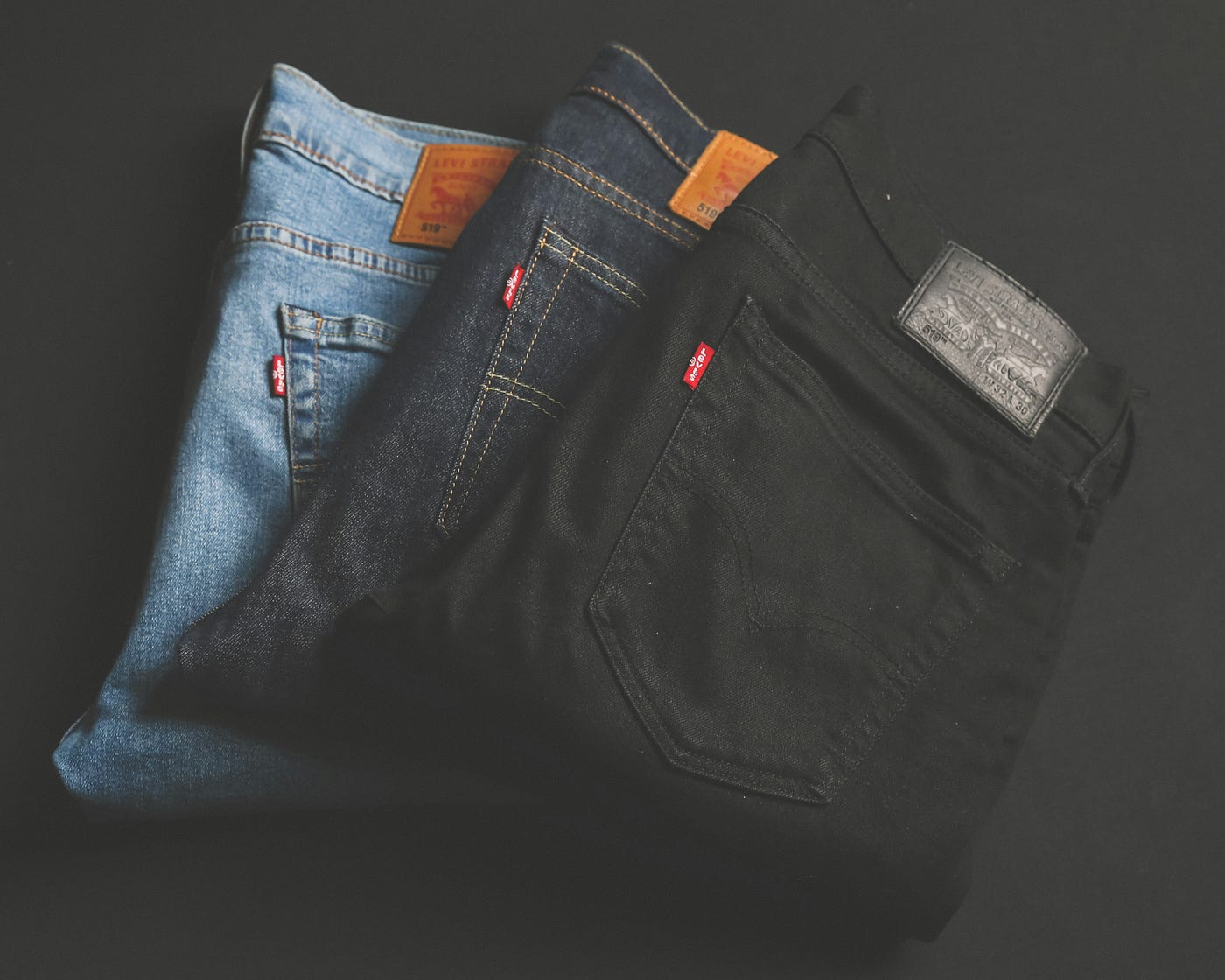
Photo by Mnz on Unsplash
There is a specific kind of boredom that only happens when you are still wearing pajama pants at 2:17 in the afternoon.
You know the feeling. You have technically been “relaxing” all day, yet somehow you feel more tired than rested. The coffee went cold beside you three hours ago. You have scrolled through enough videos to qualify as a minor anthropologist of human stupidity. You have eaten shredded cheese directly from the bag twice for reasons that no longer feel entirely defensible. At some point you started watching a documentary about Viking farming techniques despite having absolutely no prior interest in Viking farming techniques.
Meanwhile, the actual day quietly drifted past without fully beginning.
That is the basic philosophy behind the phrase “boredom doesn’t wear pants.” The idea is not that pants themselves possess mystical motivational powers. Nobody is suggesting khakis are a controlled substance. The point is psychological. Getting dressed signals participation. It tells your brain the day has started and you intend to enter it instead of merely observing it from beneath a blanket like a confused woodland creature hiding from responsibility.
The difference between an aimless day and a purposeful one is often surprisingly small at first. On drift days, people scroll, snack, nap, and wander between rooms looking vaguely disappointed by existence itself. On engaged days, even ordinary errands create momentum. A grocery run becomes a conversation. A walk becomes fresh air and sunlight and maybe an overpriced coffee you absolutely did not need but deeply enjoyed anyway.
The strange part is that boredom rarely arrives because humans have “nothing to do.” Modern people have endless entertainment available instantly. Movies. Games. Podcasts. Social media. Streaming services containing enough content to outlive several civilizations. Yet many people still feel emotionally flat because boredom is often less about stimulation and more about participation.
That distinction matters.
A person can consume entertainment for twelve straight hours and still feel restless because passive consumption and active engagement are not emotionally identical experiences. One creates momentum. The other mostly creates dented couch cushions and a vague feeling that you should probably stand up before your spine permanently merges with upholstery.
Retirement and work-from-home culture intensified this problem dramatically. Once people stop needing to leave the house regularly, days can start blending together in weird ways. Tuesday feels suspiciously similar to Thursday. Lunch appears without ceremony. Time loses structure. Entire afternoons disappear into internet rabbit holes involving air fryer reviews and conspiracy theories about whether birds secretly enjoy jazz music.
The human brain handles structure better than many people realize.
Sometimes the first act of reclaiming a drifting day is ridiculously simple. Put on actual pants. Comb your hair. Leave the bedroom. Open the blinds like you are rejoining civilization voluntarily.
Tiny actions change emotional weather faster than people expect.
Boredom is not laziness. It is a stalled engagement.
Psychologists describe boredom as a state where the brain wants meaningful stimulation but cannot connect with what is available. That is why boredom often feels strangely uncomfortable rather than peaceful. Your body is technically resting, but your mind keeps pacing around internally like a raccoon trapped inside a vending machine.
Research links chronic boredom with irritability, procrastination, low mood, poor concentration, and increased anxiety. Some studies even connect long-term boredom with higher rates of depression and unhealthy coping behaviors because humans are not designed to remain psychologically stagnant for extended periods. The brain likes novelty, movement, challenge, and small doses of unpredictability. Without those things, people often start feeling emotionally dulled.
The tricky part is that boredom disguises itself as comfort initially.
Sleeping in sounds pleasant. Staying home sounds relaxing. Wearing sweatpants for three consecutive days feels harmless at first. Then suddenly it is Thursday and you are emotionally invested in reorganizing your spice cabinet alphabetically because your brain is desperately searching for signs of life.
Boredom and depression can also overlap in ways that confuse people. They are not identical, but they can look similar from the outside. Someone stops leaving the house. Motivation drops. Energy flattens. The person says they are “just tired” or “just relaxing,” but underneath that comfort may actually be emotional under-stimulation and disconnection.
That distinction matters because many people do not need a dramatic life overhaul. They need interruption. Motion. Structure. A reason to re-enter the day physically instead of floating through it mentally half-awake.
One reason getting dressed matters psychologically is because behavior shapes emotion more often than people realize. Humans like believing motivation arrives first and action follows naturally afterward. Real life usually works backward. Action creates momentum. Momentum improves mood. Mood increases motivation.
That means you often cannot wait until you feel energized before participating in life. Sometimes participation itself creates the energy.
The brain responds strongly to environmental cues too. Clothing affects identity and behavior more than people admit. Studies on “enclothed cognition” suggest what people wear can influence attention, confidence, productivity, and self-perception. That does not mean wearing jeans transforms somebody into Winston Churchill emotionally. Still, there is a noticeable difference between “I accidentally became one with my couch” clothing and “I may interact with humanity today” clothing.
Your brain notices the distinction even when you pretend not to.
Tiny actions rescue days faster than dramatic plans
One of the biggest lies boredom tells people is that fixing the day requires something large and impressive.
A tropical vacation. A complete reinvention. A new career. A life-changing breakthrough involving mountain sunsets and acoustic guitar music.
Usually, the solution is much smaller and much less cinematic.
Take a shower. Put on shoes. Walk outside. Buy bananas. Speak to another mammal voluntarily.
I have had entire days rescued by ridiculously ordinary actions. There were mornings I stayed in lounge clothes too long, drifted into endless scrolling, felt sluggish by noon, and somehow became emotionally exhausted despite accomplishing absolutely nothing. Then there were other days where I got dressed early, left the house, wandered through a bookstore, grabbed coffee, and suddenly the entire emotional texture of the day changed.
Nothing extraordinary happened.
The day simply started moving.
That movement matters more than people think. Humans tend to feel worse when time has no structure because unstructured days create psychological fog. Hours disappear without landmarks. Small accomplishments never accumulate. The brain struggles to distinguish rest from stagnation once everything starts blending together.
Older adults especially can slip into this pattern after retirement or empty nest transitions. The structure that once organized life disappears almost overnight. Nobody needs anything urgently anymore. No meetings. No school pickups. No commute. No deadlines. At first that freedom feels amazing. Then some people slowly drift into passive routines where days become emotionally interchangeable.
That is dangerous in quiet ways.
The body and mind need reasons to engage with life regularly. Not every day must become an inspirational productivity montage involving sunrise yoga and homemade kale smoothies. Normal human activity is enough. Errands count. Walks count. Conversations count. Small projects count.
Sometimes a grocery run becomes the most emotionally useful part of the day because it interrupted inertia.
One of my favorite examples of this happened completely by accident. I almost stayed home one afternoon because I felt lazy and unmotivated. Instead, I forced myself to put on real clothes and drive to a local coffee shop simply to stop feeling stale. On the way back, I ended up talking with an older man outside the shop for twenty minutes about retirement, travel, and whether Florida humidity should legally qualify as soup.
That conversation stayed with me longer than anything I watched online that week.
Engagement creates memory.
Drift rarely does.
The anti-boredom rule is surprisingly simple
The goal is not to eliminate relaxation. Human beings need rest badly, especially in a culture constantly demanding productivity and stimulation. The problem begins when comfort slowly turns into disengagement, and disengagement quietly turns into emotional flatness.
That is why “boredom doesn’t wear pants” works as a useful little rule.
Get dressed early. Leave the bedroom. Do one outward-facing thing every day.
That one thing does not need to be impressive. A walk counts. Calling someone counts. Going to the grocery store counts. Reading at a coffee shop counts. Watering plants while pretending you understand gardening counts. The point is not performance. The point is participation.
Small actions have emotional consequences. When people act like their time matters, their brains slowly begin believing it too. That shift sounds tiny, but it changes how entire days unfold. Structure creates momentum. Momentum creates engagement. Engagement creates energy more reliably than endless passive comfort ever does.
Pants are not magic, obviously.
Still, they are often the first clue your day has officially joined the living.
And honestly, boredom looks terrible in sweatpants anyway.
If you’ve made it this far, you’re probably my kind of reader. You should follow.

✍ — Edited and Published by Dr. Gabriella Korosi, at Dancing Elephants Press. Click here for submission guidelines.
메타데이터
- post_id
- 3c8e11cec22c
- slug
- boredom-doesnt-wear-pants-3c8e11cec22c
- url
- https://medium.com/dancing-elephants-press/boredom-doesnt-wear-pants-3c8e11cec22c
- canonical_url
- https://medium.com/dancing-elephants-press/boredom-doesnt-wear-pants-3c8e11cec22c
- author_url
- https://medium.com/@bwrosta73
- status
- ok
- fetched_at
- 2026-06-09 15:37:30