They Always Come Back. But Why Do We Want Them To?
On situationships, avoidant men, and the little doors we leave open hoping they’ll come back differently.
They Always Come Back. But Why Do We Want Them To?
On situationships, avoidant men, and the little doors we leave open hoping they’ll come back differently.

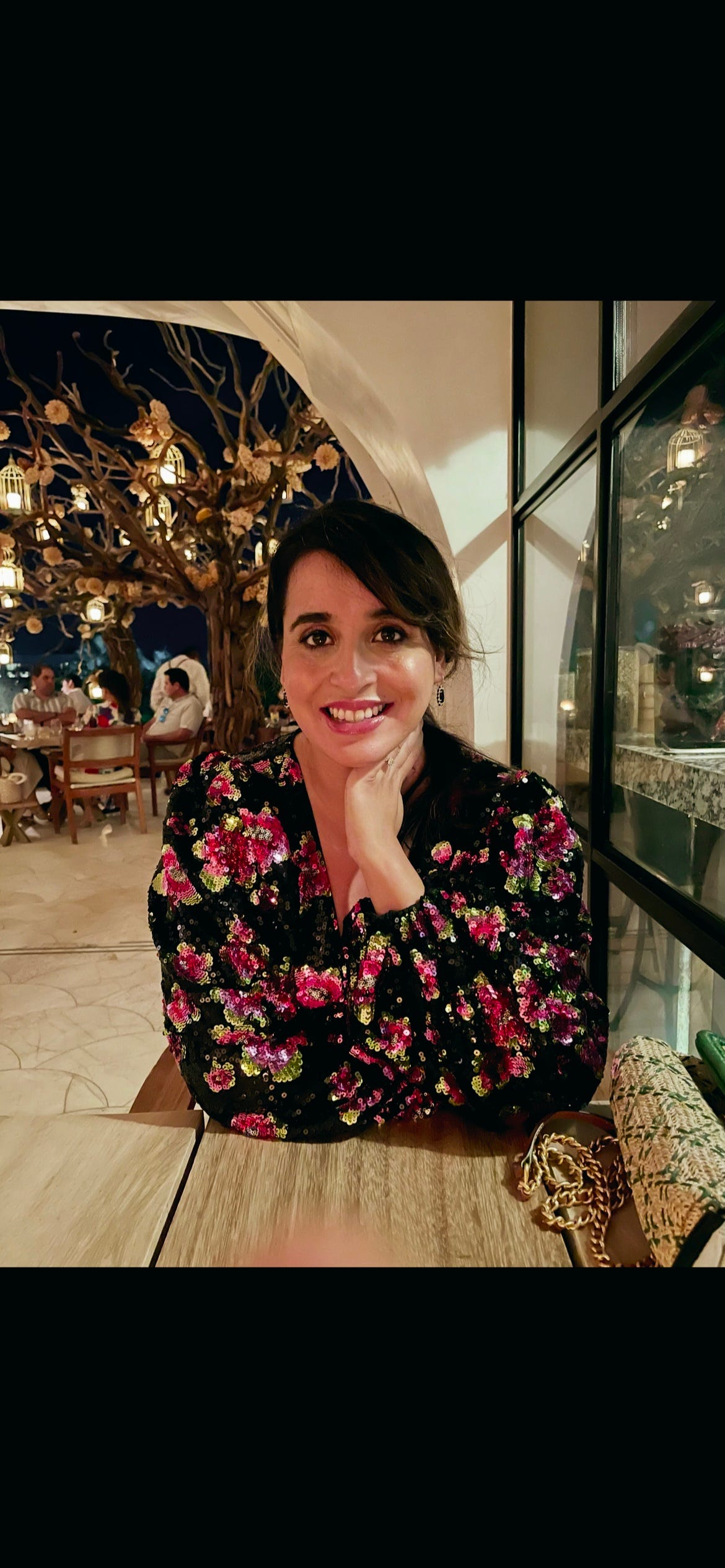
Image by Author
I’m convinced that in today’s dating world, we’re often far more invested in our situationships than we ever were in actual relationships.
Or, as I like to call my own very complicated Hindi movie version of one, a complicationship.
We invest so much of our time, energy, hope, and emotional bandwidth into these connections that aren’t healthy, consistent, or stable.
We accept uncertainty in places where we would never accept it from a friend, a coworker, or even a family member.
We convince ourselves that potential is enough.
That chemistry can make up for inconsistency.
That understanding someone’s wounds somehow excuses the ways they continue to wound us.
And little by little, we give away our power.
Not all at once.
Through the unanswered texts we rationalize.
The mixed signals we decode.
The bare minimum we turn into evidence that this could become something more.
We tell ourselves we’re being patient.
Sometimes we’re just being afraid to let go.
Somewhere along the way, we’ve become obsessed with labels.
Avoidant.
Anxious.
Fearful avoidant.
Emotionally unavailable.
We can diagnose an entire relationship from a single TikTok video.
And while I think understanding ourselves is important, I’m starting to wonder if we’ve gone too far in the other direction.
Because at some point, the explanation stops mattering.
So what if they’re avoidant?
So what if they had a difficult childhood?
So what if intimacy scares them?
We all have trauma.
We all have wounds.
We all have things we need to work through.
The question isn’t whether someone is hurting.
The question is what they’re doing about it.
Because understanding why someone hurts you doesn’t make it hurt less.
And empathy shouldn’t require self-abandonment.
Someone’s trauma can explain their behavior without excusing it.
And my job is not to love someone into becoming the version of themselves they refuse to be.
And me?
Oh, I seem to attract the notorious avoidants.
The ones who see me as nurturing.
Healing.
Safe.
A soft place to land while they figure themselves out.
And the truth is, they’re not wrong.
I am nurturing.
I’m a mother.
I’m a nonprofit leader.
I spend my days helping people navigate some of the hardest moments of their lives.
Caring for people comes naturally to me.
But what I’ve realized is that somewhere along the way, I became so focused on being a safe place for everyone else that I forgot I deserved one too.
Because beneath all the nurturing, I’ve endured more trauma than I even allow myself to acknowledge.
I’ve experienced loss.
Heartbreak.
Disappointment.
The kind of life events that change the way you move through the world.
And for the longest time, I wore resilience like a badge of honor.
Now I’m realizing that resilience is not the same thing as safety.
I don’t want to be someone’s rehabilitation center.
I don’t want to be chosen because I’m patient enough to tolerate inconsistency.
I don’t want to be admired for how much I can carry.
I want someone who nurtures me.
Someone who makes me feel safe.
Someone whose presence feels like peace instead of potential.
Someone who protects my heart as carefully as I protect everyone else’s.
Because after years of surviving, healing, and rebuilding, I’ve stopped looking for someone to save.
What I want is someone who feels like home.
Another thing I’m guilty of?
Leaving little doors open.
Not wide open.
Just cracked enough.
Enough for them to come back through if they ever decided they wanted to.
And if I’m being honest, I don’t think that idea came from nowhere.
We see it everywhere.
In the movies.
In the songs.
In the shows.
The guy leaves.
He gets scared.
He isn’t ready.
He disappears.
Then one day, after some magical period of self-discovery, he has a moment of clarity.
He realizes what he lost.
He works on himself.
He comes back healed, changed, emotionally available, and ready to show up.
And we’re taught that this is romantic.
But lately, I’ve been asking myself:
Why?
Why is it romantic that someone had to lose you to value you?
Why is it admirable that someone finally became capable of giving you what you needed after you spent months or years going without it?
Why are we celebrating the return instead of questioning the absence?
Because if we’re being honest, the person who did the real work during that time wasn’t usually them.
It was us.
We were the ones sitting with the grief.
Learning the lesson.
Healing the wound.
Rebuilding our confidence.
Finding ourselves again.
So why do we act like their return is the happy ending?
Maybe the happy ending is that by the time they come back, we’ve finally learned we deserved consistency from the beginning.
Maybe the happy ending isn’t that they changed.
Maybe it’s that we did.
I’m finally at the point where even if someone did come back differently, healed, self-aware, emotionally available, and ready to give me everything I once wanted, I don’t think I’d want it anymore.
Not because I’m bitter.
Not because I don’t believe people can change.
But because I’ve never put someone I loved in a position where they needed to lose me in order to value me.
I’ve never needed distance to recognize someone’s worth.
I’ve never needed years of reflection to decide whether someone mattered.
I’ve spent so much time admiring people’s potential for growth that I forgot to ask why they needed to grow at my expense.
Why was I expected to wait while they figured it out?
Why was my love supposed to be patient enough to survive their uncertainty?
Why was their return considered romantic, but my staying wasn’t?
The truth is, I don’t want a love story where someone leaves and comes back.
I want a love story where they stay.
Where they choose me while they’re confused.
While life is hard.
While things aren’t perfect.
Where commitment isn’t the reward for my patience.
It’s the starting point.
Because at this stage of my life, consistency feels far more romantic than potential ever did.
And maybe that’s the real lesson.
They always come back.
The question is whether you’ll still be waiting when they do.
메타데이터
- post_id
- 3c9590f6d7ac
- slug
- they-always-come-back-but-why-do-we-want-them-to-3c9590f6d7ac
- url
- https://medium.com/women-write/they-always-come-back-but-why-do-we-want-them-to-3c9590f6d7ac
- canonical_url
- https://medium.com/women-write/they-always-come-back-but-why-do-we-want-them-to-3c9590f6d7ac
- author_url
- https://medium.com/@sharnie86
- status
- ok
- fetched_at
- 2026-06-11 17:15:47