What Is ChatGPT Shopping?
OpenAI has introduced an exciting feature that transforms ChatGPT into a personal shopping assistant. Instead of just giving…
What Is ChatGPT Shopping?
OpenAI has introduced an exciting feature that transforms ChatGPT into a personal shopping assistant. Instead of just giving recommendations, ChatGPT can now help you find products, display their prices, and even assist with completing your purchase — all within the chat window.
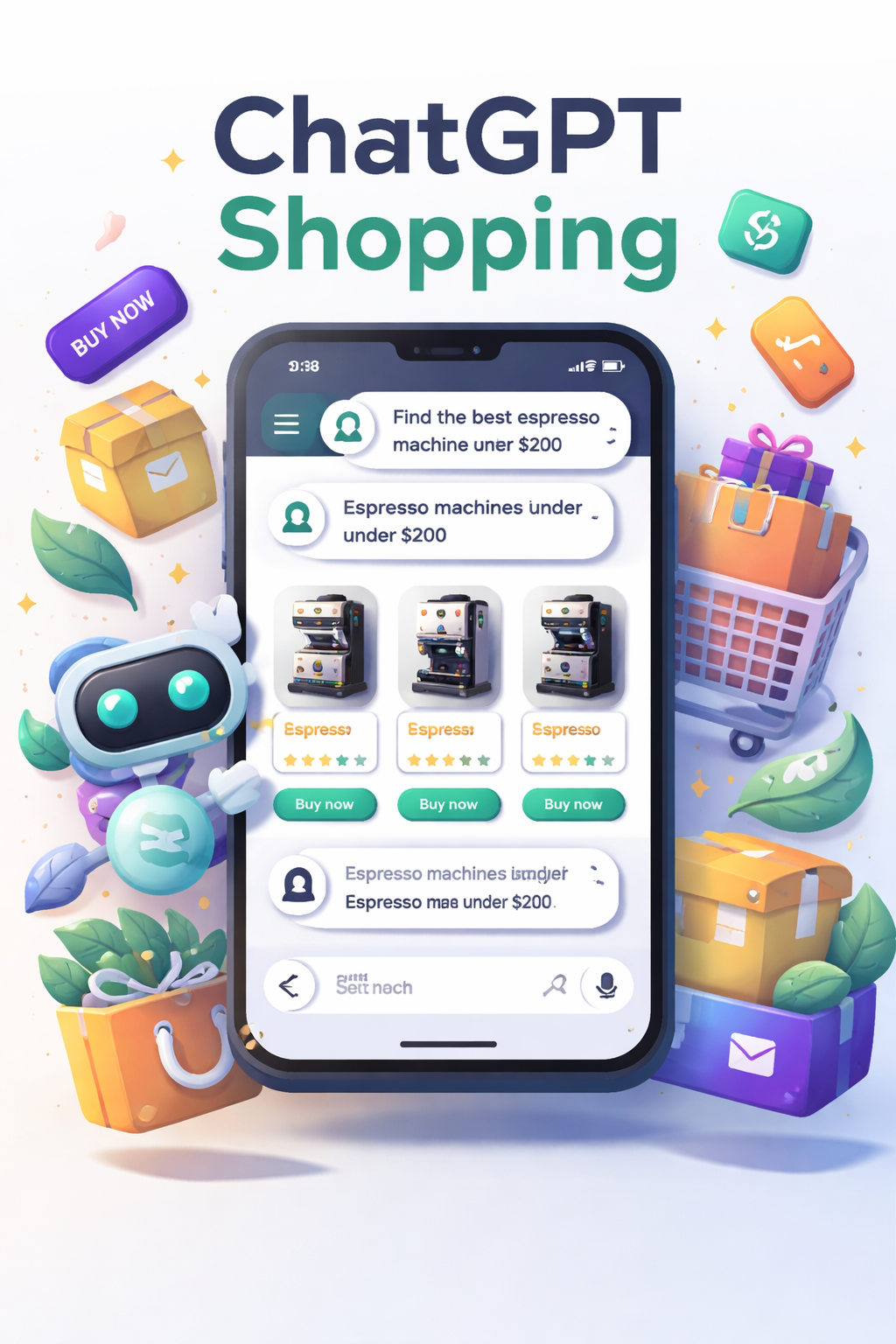
This new functionality, called Instant Checkout, is already available, powered by partnerships with e-commerce giants like Stripe and Walmart. It allows ChatGPT to fetch real-time product listings and provide personalized shopping suggestions based on your preferences.
While it’s still in its early stages, this shift is poised to change the e-commerce landscape. For businesses, this represents a whole new way for customers to shop, making it easier than ever to go from product discovery to checkout in a single chat interface. As AI-driven shopping continues to evolve, it’s clear that this is a game-changer for online retailers.
Key Points to Know
- ChatGPT enables in-chat shopping with live product listings and checkout options via partners like Walmart.
- Users interact naturally, asking for products in plain language, which makes discovering items feel more like a conversation than traditional search.
- Product visibility on ChatGPT depends on having clear, structured data about the products, such as using schema markup and natural product descriptions.
- E-commerce brands must quickly adapt to this new way of shopping, where personalized AI recommendations are reshaping how consumers browse and buy.
- To optimize for ChatGPT shopping, brands should focus on mobile site speed, fresh reviews, and well-organized product content.
How ChatGPT Shopping Works
ChatGPT’s new shopping feature enables users to not only discover products but also complete purchases directly within the chat interface. This is made possible through OpenAI’s partnerships with major e-commerce platforms like Stripe and Shopify, as well as collaborations with retailers like Walmart.
For example, imagine asking ChatGPT, “Find espresso machines under $200.” Instead of simply returning a list of brands or products, ChatGPT will:
- Offer curated product recommendations from top retailers.
- Show real-time pricing and availability.
- Provide affiliate-style product cards with images, links, and reviews.
- Allow you to complete a purchase directly within the chat interface, depending on the retailer.
This entire process happens seamlessly through integrations with various online retailers and APIs that provide live product data. Interestingly, unlike traditional shopping platforms where brands pay for visibility, ChatGPT’s shopping feature is more organic, prioritizing user conversations and reviews.
A Shift to Conversational Shopping
What sets ChatGPT shopping apart is how users interact with it. Instead of sorting through filters and categories, you’re engaging in a conversation, refining your search with follow-up questions. For example, after asking for espresso machines under $200, you could easily ask, “Can you find ones with automatic milk frothers?” ChatGPT adjusts its suggestions based on these follow-up queries, providing an entirely new shopping experience.
This conversational style also means that ChatGPT can personalize results by adjusting factors like price, based on your preferences. If you set a budget, ChatGPT will focus on showing products that fit within that range.
More Than Just Another Shopping Assistant
While ChatGPT can give product recommendations like other shopping assistants, it stands out because it offers a personalized, conversational shopping experience. Here’s what makes it unique:
- Natural language interaction: No need to type in exact keywords or filters; just ask like you would to a friend.
- Real-time product updates: ChatGPT pulls in live product data, including prices and availability, from its retail partners.
- Built-in checkout options: For certain retailers, you can finalize purchases without leaving the chat.
This streamlines the entire shopping journey, offering a quick, seamless process that’s especially appealing to users with limited time or mobile shoppers.
Impact on E-Commerce
ChatGPT’s shopping feature is more than just a small addition to the app; it represents a profound shift in how people shop online. The traditional model of browsing categories and filtering through products is being replaced by a more personalized, conversational method of discovery. As this trend grows, e-commerce brands will need to adapt.
Personalized Discovery
Whereas traditional search engines rely on product-focused keywords, ChatGPT shopping is centered around context. Instead of searching for a generic term like “gift for coworkers,” you might ask, “I need a thoughtful gift for under $50 for a coworker.” This shift allows ChatGPT to suggest products based on real conversations and real needs. Brands that provide clear, structured product data and use natural, conversational language in their descriptions will be best positioned for success in this new shopping ecosystem.
Optimizing for ChatGPT Shopping
To ensure your products appear in ChatGPT’s recommendations, you’ll need more than just great images and a low price tag. Your product pages need to be optimized for AI to understand and recommend your products effectively. Here’s how:
- Use Product Schema Markup Structured data is essential for helping AI interpret your product pages. Ensure that your product descriptions, prices, and availability are clearly marked so that tools like ChatGPT can pull this data for recommendations.
- Write Descriptions That Feel Conversational ChatGPT is designed to deliver outputs that sound natural. Rewrite your product descriptions in a way that’s engaging and easy to understand. For example, instead of “Ergonomic mesh back with tilt-lock feature,” you could say, “Keeps you cool and comfortable during long workdays.”
- Choose Clear, Descriptive Product Names Avoid using overly creative or vague product names. Instead of “Cloudstep LX,” go for “Men’s Waterproof Running Shoes — Cloudstep LX” to help customers find exactly what they need.
- Display Fresh Reviews and Ratings Up-to-date reviews offer trust signals both for consumers and for ChatGPT. Regularly update your reviews to ensure they remain relevant.
- Focus on Mobile Optimization Since many users will access ChatGPT from their mobile devices, it’s essential to optimize your site for speed. Compress images, minimize scripts, and test your load times to ensure your site performs well on mobile.
Conclusion
ChatGPT shopping is more than just a feature — it’s a revolutionary shift in how people interact with e-commerce. By integrating AI with a conversational shopping experience, OpenAI has created a new channel for product discovery and purchase. For businesses, adapting to this new environment requires clear product data, natural descriptions, and fast, mobile-friendly websites.
With more customers turning to ChatGPT for their shopping needs, the question is: is your brand ready to be part of the conversation?
메타데이터
- post_id
- 3c9da883ea8d
- slug
- what-is-chatgpt-shopping-3c9da883ea8d
- url
- https://medium.com/@aliraza360/what-is-chatgpt-shopping-3c9da883ea8d
- canonical_url
- https://medium.com/@aliraza360/what-is-chatgpt-shopping-3c9da883ea8d
- author_url
- https://medium.com/@aliraza360
- status
- ok
- fetched_at
- 2026-06-09 15:37:30