Robot vs Human, Who
Will Shape the Future
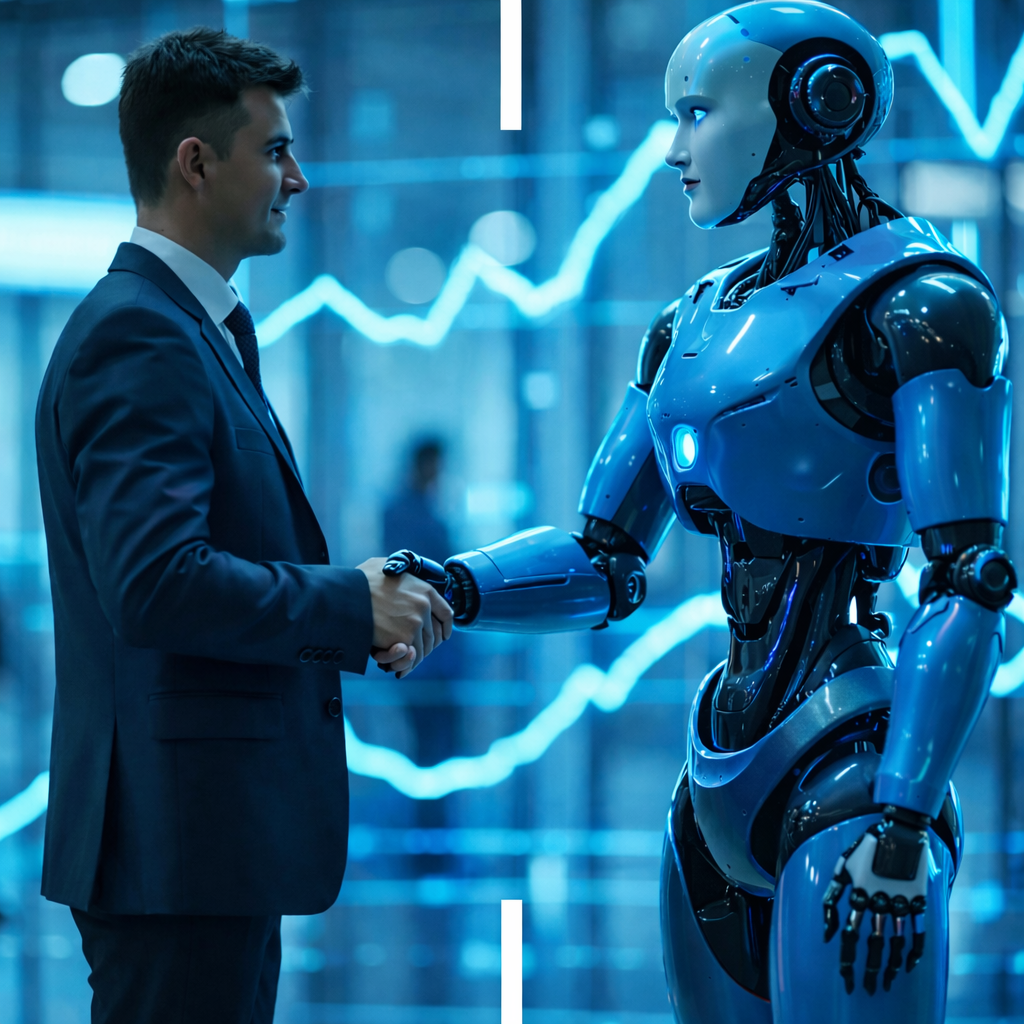
Robots are powerful tools, but humans create the vision.
Robot vs Human, Who
Will Shape the Future
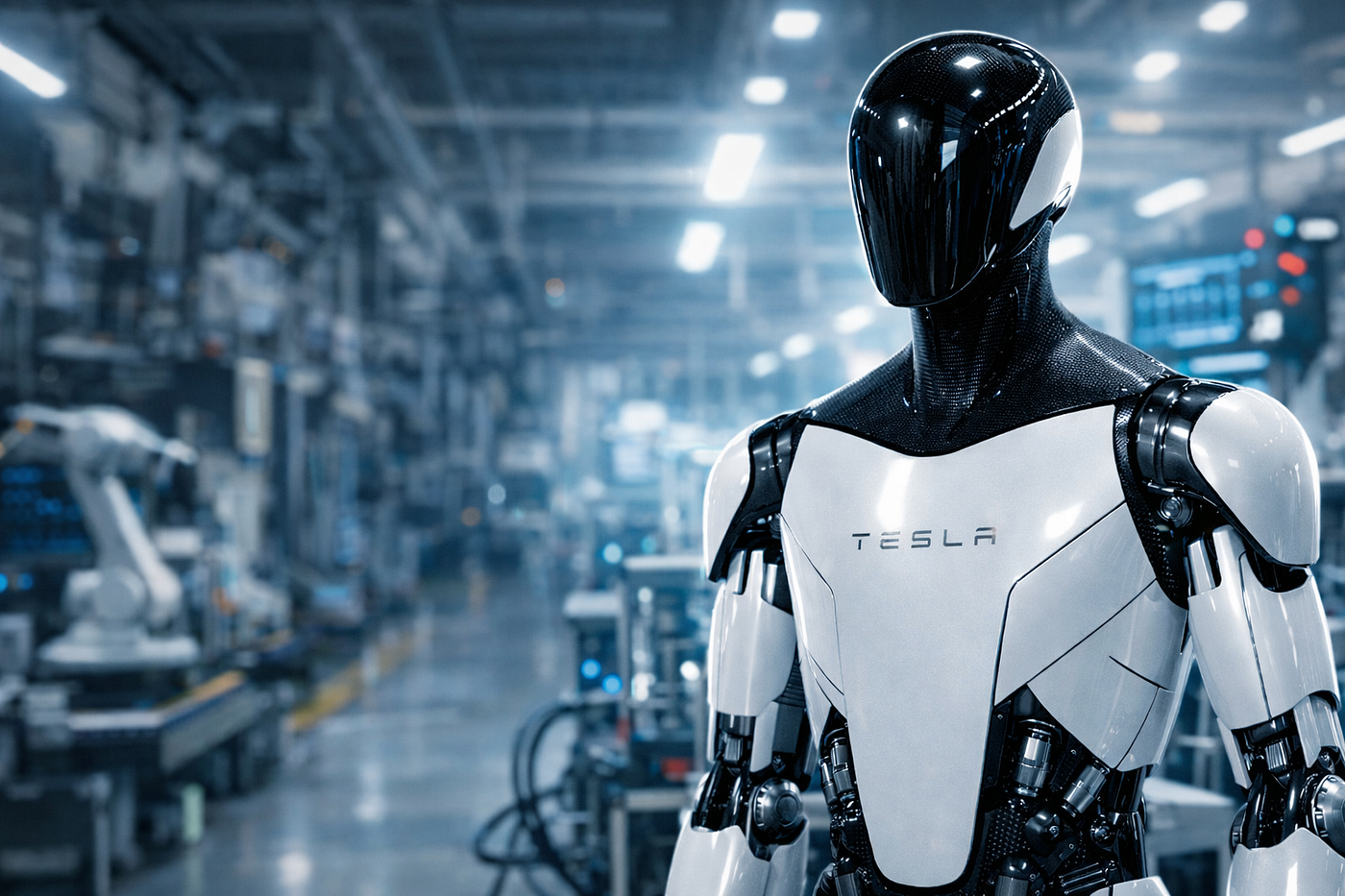
Robot vs Human People often ask a simple question. Will robots replace humans. It sounds dramatic. It feels urgent. But the real story is deeper. Robots are tools. Humans are creators. When you understand this difference, you start seeing the world clearly. Let us break this down in a real and practical way. What is a robot A robot is a machine designed to perform tasks automatically. It follows instructions. It uses sensors, software, and hardware. It does not feel. It does not think on its own. It works based on programming. Companies like Boston Dynamics build robots that can walk, jump, and even carry heavy loads. Car factories use robotic arms to assemble vehicles with high precision. Hospitals use robotic systems to assist in surgery. These machines are powerful. They are fast. They are accurate. But they are not human. What makes humans different Humans feel. Humans imagine. Humans create meaning. You can sit alone and think about your future. You can dream about starting a business. You can write poetry. You can forgive someone. A robot cannot do that. Even advanced systems developed by companies like OpenAI process data. They analyze patterns. They generate responses. But they do not experience emotions. They do not have personal goals. They do not wake up with ambition. That difference matters. Speed and efficiency Robots win in speed. A factory robot can assemble thousands of parts in a day. It does not get tired. It does not need breaks. It does not complain. It does not lose focus. Humans get tired. Humans make mistakes. Humans need rest. If your goal is pure efficiency, robots are better. But efficiency is not everything. Creativity and innovation Look at companies like Tesla. The cars are built by machines. But the vision came from a human mind. Engineers, designers, and thinkers created the idea. Robots only executed it. Creativity starts with humans. A robot can paint a picture based on patterns. But it does not feel heartbreak. It does not fall in love. It does not struggle. Real art comes from experience. When you listen to music by Adele, you connect because she went through pain. That emotion becomes sound. A robot can copy the style. It cannot live the story. Decision making Robots use data. Humans use judgment. Imagine a self driving car made by Tesla. It uses cameras and sensors. It calculates distance. It follows rules. Now imagine a sudden situation. A child runs onto the road. The system reacts based on programming. A human driver reacts with instinct, fear, and responsibility. Data driven decisions are powerful. But human decisions include values. This is why companies still rely on human leaders. Machines can analyze reports. But strategy comes from people. Jobs and the future Many people worry about losing jobs. Yes, robots will replace repetitive tasks. Factory work. Data entry. Basic customer support. But new jobs appear. Twenty years ago, no one talked about social media managers. Now platforms like Instagram and YouTube created millions of opportunities. Technology changes the job market. It does not end it. If you focus on skills that require creativity, leadership, and emotional intelligence, you stay relevant. Emotions and relationships A robot can simulate empathy. It can respond with kind words. It can analyze tone. But it does not feel care. When your friend supports you during a hard time, that connection is real. It is built on shared experiences. No machine can replace that bond. Even advanced humanoid robots from Honda, like their earlier robot ASIMO, impressed the world. It could walk and interact. But it did not build relationships. Humans build trust. Trust drives society. Ethics and responsibility Robots do what they are told. If a robot makes a mistake, who is responsible. The programmer. The company. The user. Humans carry moral responsibility. You can choose right or wrong. You can feel guilt. You can change. A robot cannot regret its actions. This is why governments regulate artificial intelligence. They understand the power and the risk. Strength and physical limits In heavy industries, robots are stronger. They lift tons of material. They work in dangerous environments. They operate in extreme heat or radiation. In space exploration, robots sent by NASA explore Mars. Humans cannot survive there easily. Machines extend human capability. They do not replace human purpose. Learning and adaptation Robots learn through data. Humans learn through experience. You can fail in business. Feel disappointed. Then try again with new wisdom. A robot improves based on input. It does not feel the lesson. Human growth is emotional and intellectual. That is powerful. Can robots become conscious Some experts believe machines may become highly advanced. Companies invest billions in AI research. But consciousness is not just processing speed. It is awareness. It is identity. It is understanding your own existence. Right now, robots do not have that. They simulate conversation. They analyze patterns. But they do not know they exist. Human potential Instead of fearing robots, you should focus on your growth. Learn technology. Understand AI. Use it as a tool. When you combine human creativity with robotic efficiency, you win. Entrepreneurs use automation to scale businesses. Content creators use AI tools to edit videos faster. Doctors use robotic assistance for precise surgeries. The smart approach is collaboration. Competition mindset limits you. Collaboration mindset empowers you. The real question The real question is not robot vs human. The real question is how humans use robots. Technology reflects the values of its creators. If you build with responsibility, you create progress. If you ignore ethics, you create problems. The future In the coming years, robots will become more common. Homes will have smart assistants. Cars will drive themselves more reliably. Factories will become more automated. But human skills will become more valuable. Communication. Critical thinking. Emotional intelligence. Leadership. These cannot be automated easily. If you invest in these skills, you stay ahead. Final thought Robots are powerful tools. Humans are powerful creators. Machines can calculate faster. Humans can imagine bigger. Machines follow code. Humans write it. The future does not belong to robots alone. It belongs to humans who understand how to use them. If you want to stay relevant, do this. Keep learning. Build creative skills. Understand technology. Focus on value that only you can provide. Robots may change the world. But humans decide where it goes.
메타데이터
- post_id
- 3cec3376d3a2
- slug
- robot-vs-human-who-3cec3376d3a2
- url
- https://medium.com/@Fuzailhyd/robot-vs-human-who-3cec3376d3a2
- canonical_url
- https://medium.com/@Fuzailhyd/robot-vs-human-who-3cec3376d3a2
- author_url
- https://medium.com/@Fuzailhyd
- status
- ok
- fetched_at
- 2026-07-13 06:23:13