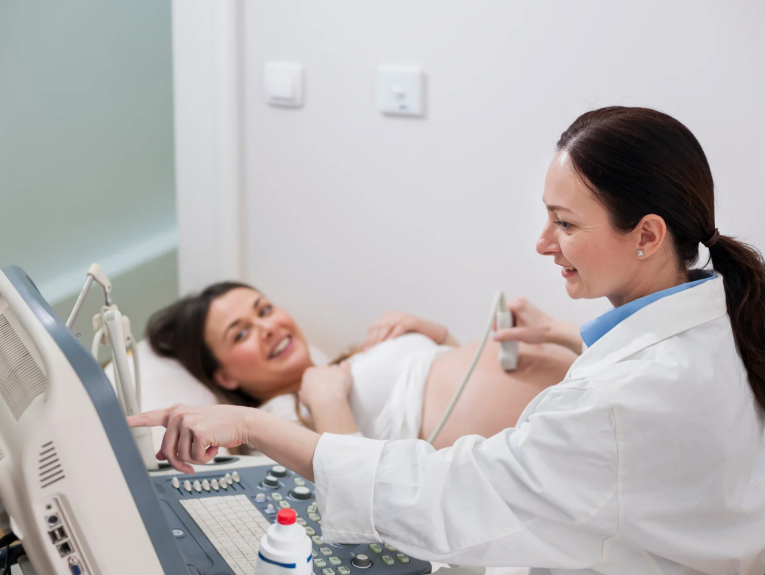
Why Postpartum Recovery Deserves More Attention
The Physical Changes After Childbirth Are Significant
Why Postpartum Recovery Deserves More Attention
The Physical Changes After Childbirth Are Significant
The weeks and months following childbirth involve major physical adjustments that can affect every aspect of daily life. While much attention is often placed on pregnancy and delivery, recovery after birth is equally important. Many women experience discomfort, fatigue, hormonal fluctuations, and changes in their overall wellbeing that require ongoing care and support.
For some women who have previously searched for a **fertility doctor near me**, the journey to parenthood may have involved years of planning, treatment, and emotional investment. Once the baby arrives, attention often shifts entirely to the newborn, leaving the mother’s recovery needs overlooked.

Healing Takes Time
Recovery is not a process that happens overnight. The body undergoes extensive healing after childbirth, whether the birth was vaginal or via caesarean section. Muscles, tissues, and organs need time to return to their pre pregnancy state, while hormone levels continue to adjust.
Many women feel pressure to resume normal activities quickly. However, rushing recovery can increase physical strain and prolong healing. Adequate rest, balanced nutrition, and gradual activity are essential components of postpartum care.
Managing Physical Symptoms
Common postpartum symptoms can include:
- Pelvic discomfort
- Back pain
- Breast tenderness
- Fatigue
- Sleep disturbances
- Changes in bladder control
These symptoms may vary in severity and duration. Professional support can help identify concerns early and prevent complications from developing.
Emotional Wellbeing Is Just As Important
The emotional transition into motherhood can be both rewarding and challenging. While feelings of joy are common, many women also experience anxiety, stress, uncertainty, and emotional exhaustion.
Hormonal Changes Affect Mood
Following childbirth, hormone levels fluctuate rapidly. These changes can contribute to mood swings, irritability, and feelings of sadness. While temporary emotional changes are common, ongoing symptoms should never be ignored.
Women may benefit from speaking openly with healthcare professionals, family members, or support groups about how they are feeling.
Recognising Postpartum Depression
Postpartum depression affects many women and can significantly impact daily life. Signs may include:
- Persistent sadness
- Loss of interest in activities
- Difficulty bonding with the baby
- Feelings of hopelessness
- Changes in appetite
- Severe fatigue
Early intervention and support can make a meaningful difference in recovery outcomes.
The Importance of Pelvic Floor Recovery
Pregnancy and childbirth place considerable pressure on the pelvic floor muscles. These muscles play an important role in bladder control, bowel function, and overall core stability.
Why Pelvic Health Matters
Weak pelvic floor muscles can contribute to:
- Urinary leakage
- Pelvic discomfort
- Reduced physical confidence
- Lower back pain
Targeted exercises and professional guidance can help restore strength and function. Addressing pelvic health early may also reduce the risk of long term complications.
Returning to Exercise Safely
Many women are eager to return to fitness routines after childbirth. However, intense exercise too soon can place unnecessary strain on healing tissues.
A gradual approach that focuses on recovery, mobility, and pelvic floor rehabilitation is often recommended before progressing to higher intensity activities.
Support Networks Play a Vital Role
Postpartum recovery is not something women should navigate alone. Support from family, friends, healthcare providers, and community groups can significantly improve the recovery experience.
Reducing Feelings of Isolation
Caring for a newborn can be demanding and sometimes isolating. Regular social interaction and emotional support help many mothers feel more connected and understood.
Support networks can assist with:
- Household responsibilities
- Childcare assistance
- Emotional encouragement
- Practical advice
These forms of support allow mothers to focus on both their recovery and their baby’s needs.
Accessing Professional Care
Healthcare professionals provide valuable guidance during postpartum recovery. Regular check ups can help monitor healing, identify concerns, and offer tailored recommendations.
Women who previously sought a fertility doctor near me during their conception journey may already understand the value of specialised medical support. Continued care after birth is equally important for maintaining long term health and wellbeing.
Long Term Health Benefits of Prioritising Recovery
Giving postpartum recovery the attention it deserves can positively influence long term physical and emotional health.
Building Strong Foundations for Motherhood
When recovery needs are addressed properly, women are often better equipped to manage the demands of parenthood. Improved energy levels, stronger physical health, and better emotional wellbeing contribute to a more positive experience overall.
Preventing Future Health Concerns
Ignoring postpartum symptoms may increase the likelihood of ongoing issues. Early management of physical discomfort, mental health concerns, and pelvic floor challenges can help prevent long term complications.
Recognising recovery as an essential stage of the motherhood journey encourages healthier outcomes for both mothers and their families.
FAQs
How long does postpartum recovery usually take?
Recovery varies for every woman. While some physical healing occurs within weeks, complete recovery may take several months depending on individual circumstances and the type of birth.
What are common signs that extra postpartum support may be needed?
Persistent pain, severe fatigue, emotional distress, urinary issues, or difficulty managing daily activities may indicate the need for additional medical or professional support.
Can exercise help with postpartum recovery?
Yes. Gentle, appropriate exercise can support healing, improve mood, and strengthen muscles. It is important to follow professional advice and progress gradually.
Why is emotional health important during postpartum recovery?
Emotional wellbeing affects overall recovery, bonding with the baby, and daily functioning. Seeking support early can help manage challenges and improve long term outcomes.
Dr Kavita Maravar’s Practice
The Bond, Suite 4.04, Level 4/8 Elizabeth Macarthur Dr, Bella Vista NSW 2153, Australia
+61 2 8616 9572

메타데이터
- post_id
- 3d2ac1eb5de2
- slug
- why-postpartum-recovery-deserves-more-attention-3d2ac1eb5de2
- url
- https://medium.com/@Gynaecologist_Sydney/why-postpartum-recovery-deserves-more-attention-3d2ac1eb5de2
- canonical_url
- https://medium.com/@Gynaecologist_Sydney/why-postpartum-recovery-deserves-more-attention-3d2ac1eb5de2
- author_url
- https://medium.com/@Gynaecologist_Sydney
- status
- ok
- fetched_at
- 2026-06-23 17:05:31