Influencer Marketing: Golden Goose or Growing Liability?
Like many, I enjoy watching YouTube to learn new skills, hear nuanced opinions on current events, and — of course — engage in some…
Influencer Marketing: Golden Goose or Growing Liability?

Photo by Amelia Bartlett on Unsplash
Like many, I enjoy watching YouTube to learn new skills, hear nuanced opinions on current events, and — of course — engage in some mindless binge-watching. A few mornings ago, while choosing which video I wanted to listen to as I slapped on my makeup and considered breakfast, I came across yet another controversy between well-known “beauty-YouTube” influencers. These are personalities that often discuss and endorse makeup products on the YouTube platform. The conflict sparked some thoughts related to influencer marketing, its obvious utility and the extent of its potential downfall.
What is the difference, if any, between influencer marketing and celebrity endorsements? Are there any unfamiliar pitfalls that the marketing industry as a whole should be wary of? As a marketing professional, former “beauty YouTube” aficionado, and certified millennial, I find myself wondering on which side the needle will fall in this brave new marketing phenomenon.

Photo by Style Tomes on Unsplash
Using Famous People to Sell Your Stuff
Celebrity endorsements are far from a new phenomenon. As far back as the 16th century Josiah Wedgewood used endorsements from nobles to convince potential customers of the elegance his pottery and fine china could offer (1). Today, the endorsement field has transformed into an almost unrecognizable creature. Influencer marketing at its core does apply the same principles as Wedgewood did almost 300 years ago — utilizing appeals to authority and supporting a brand image with compatible public figures for example).
Today the game requires smarter, faster, and more effective strategies. For instance, Entrepreneur.com claims 70% of teen subscribers consider YouTubers to be more relatable than celebrities, and 88% of consumers trust online recommendations just as much as personal ones (3). What’s more, it has been shown time and again that the most effective advertisements are those that are supported by some sort of celebrity endorsement (5). With the advent of influencer marketing, celebrity endorsements have gotten more successful, more accessible, and more pervasive.
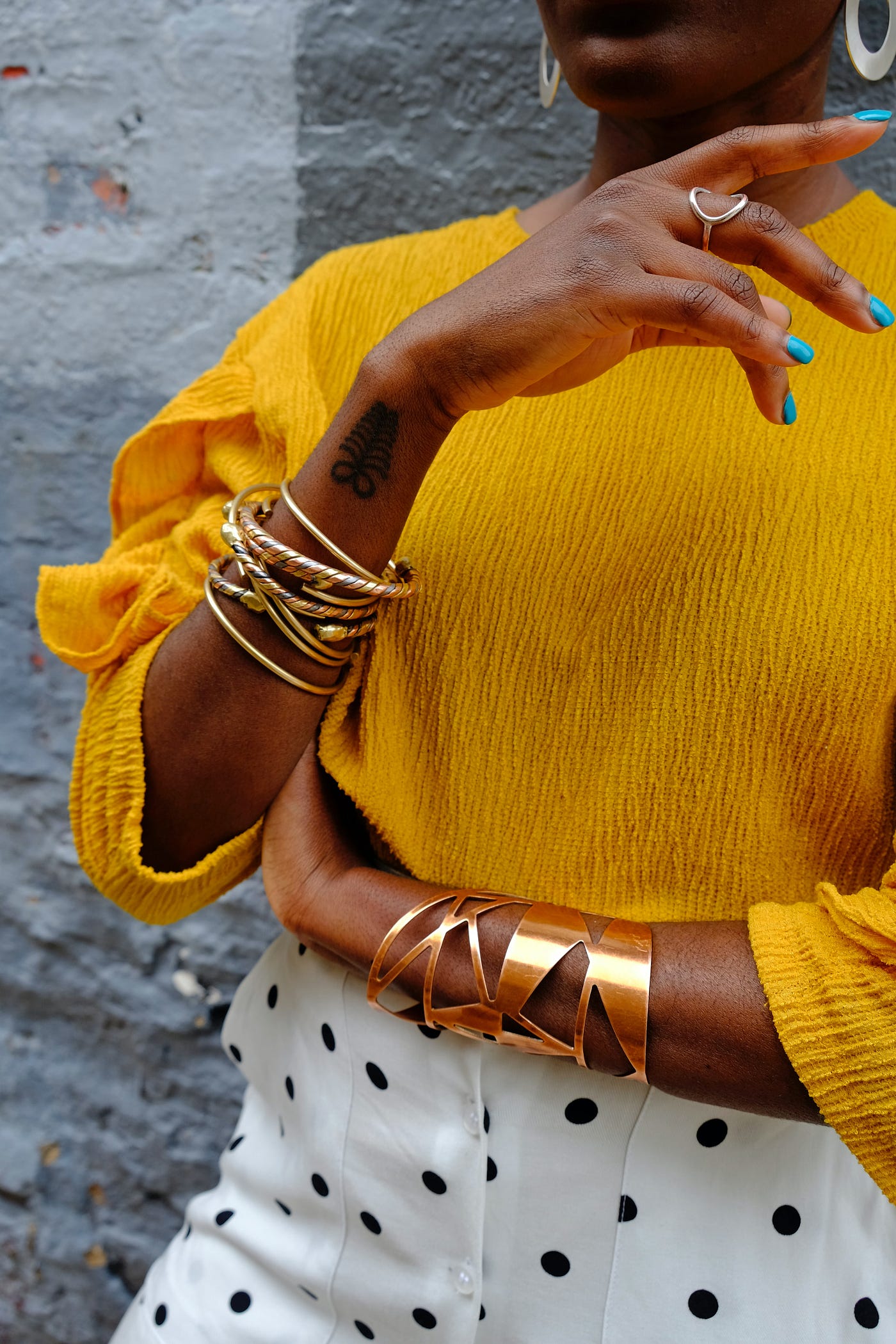
Photo by Mike Von on Unsplash
What Constitutes Influencer Marketing?
Google (or Bing if that’s your thing) almost any product in your home and you’re likely to find an ad for it. These can be as explicit as Beyonce and Pepsi’s partnership that was solidified towards the end of 2012, or as implicit as the “Beats by Dre” speakers placed strategically throughout Nicki Minaj’s 2014 Anaconda music video. In the last decade or so “influencers” have risen to prominence and joined the endorsement game. They can be previously established celebrities or regular people who gained fame through an online platform and subsequently were able to influence the decisions of their followers. Influencer ads take implicit to a new level from affiliate links (*) to lifestyle posts and videos that subtly feature products. Trendy industries, ie: makeup and skincare brands or any company associated with electronics, rely especially heavily on influencer marketing.
In short, influencer marketing is the intersection of celebrity endorsement and product placement. A favorite internet personality using the same cleanser in every #wokeuplikethis Instagram post and every “GRWM” (+) video could simply be sharing relatable snapshots of her life. Or, she could be getting paid thousands for an endorsement. Celebrity endorsements are the strongest way to market a product, and influencer ads are gearing up to be the most popular way to do so.
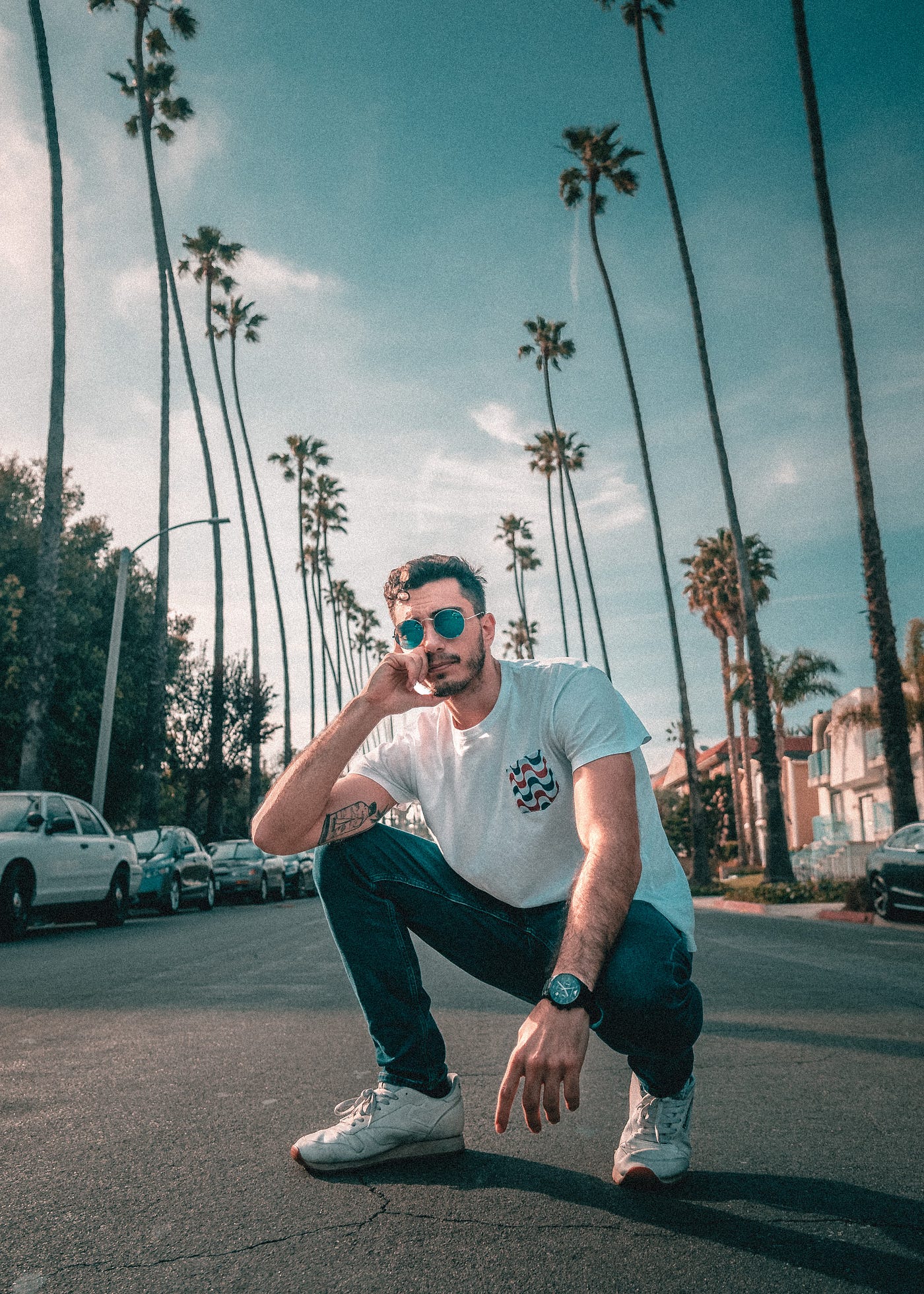
Photo by Lucas Davies on Unsplash
Risks
Every business strategy has risks; utilizing influencer marketing is no different. In fact, influencer marketing carries unique risks, some that those in the marketing field have rarely — if ever — faced.
2017’s Fyre Festival is the most famous example of influencer marketing gone wrong. Billy McFarland and Jerry Media employed a truly genius marketing strategy that enabled one of the biggest scams, well, ever. (Both Netflix and Hulu have released documentaries on the event and I highly recommend giving either one of them a watch for more information). This raised urgent questions with the Federal Trade Commission (FTC) — what are advertisers’ responsibilities regarding this new marketing tool?
The FTC’s endorsement guide outlines suggestions on how an influencer can remain safely within regulations. It is impossible for the FTC to evaluate every influencer; so when an issue arises for which there is no precedent, confusion can occur. The FTC shares this advice when influencers are unsure whether there is a need to disclose brand affiliation “The question you need to ask is whether knowing about that gift or incentive would affect the weight or credibility your readers give to your recommendation. If it could, then it should be disclosed,” (2). This leaves the responsibility of disclosure almost completely on the influencer’s shoulders in the event of an unprecedented situation. Keep in mind, a significant portion of online influencers are teenagers or people in their very early twenties without access to any PR management other than — maybe — family members.
Apart from legal risk, brand image risk has also increased with influencer marketing. Many influencers have fame foisted upon them unexpectedly, and more than a few gained fame when they were teens or even children. Because of this, influencers are often naïve about just how valuable their public image can be to themselves and the brands they represent. Where experienced celebrities often have entire public relations teams, influencers can have no one or (for better or worse) their parents.
Even Tiger Woods, who won the U.S. Masters at the age of 21, was the subject of a scandal at the age of 33 that cost his brand partner Nike an estimated $5 — $12 billion (6). If a traditional celebrity (someone who at least was aware that accomplishing his athletic goals would likely result in a severe amount of fame) can have some dirty laundry aired well into his adulthood, teenagers that go viral for a funny video don’t stand a chance.
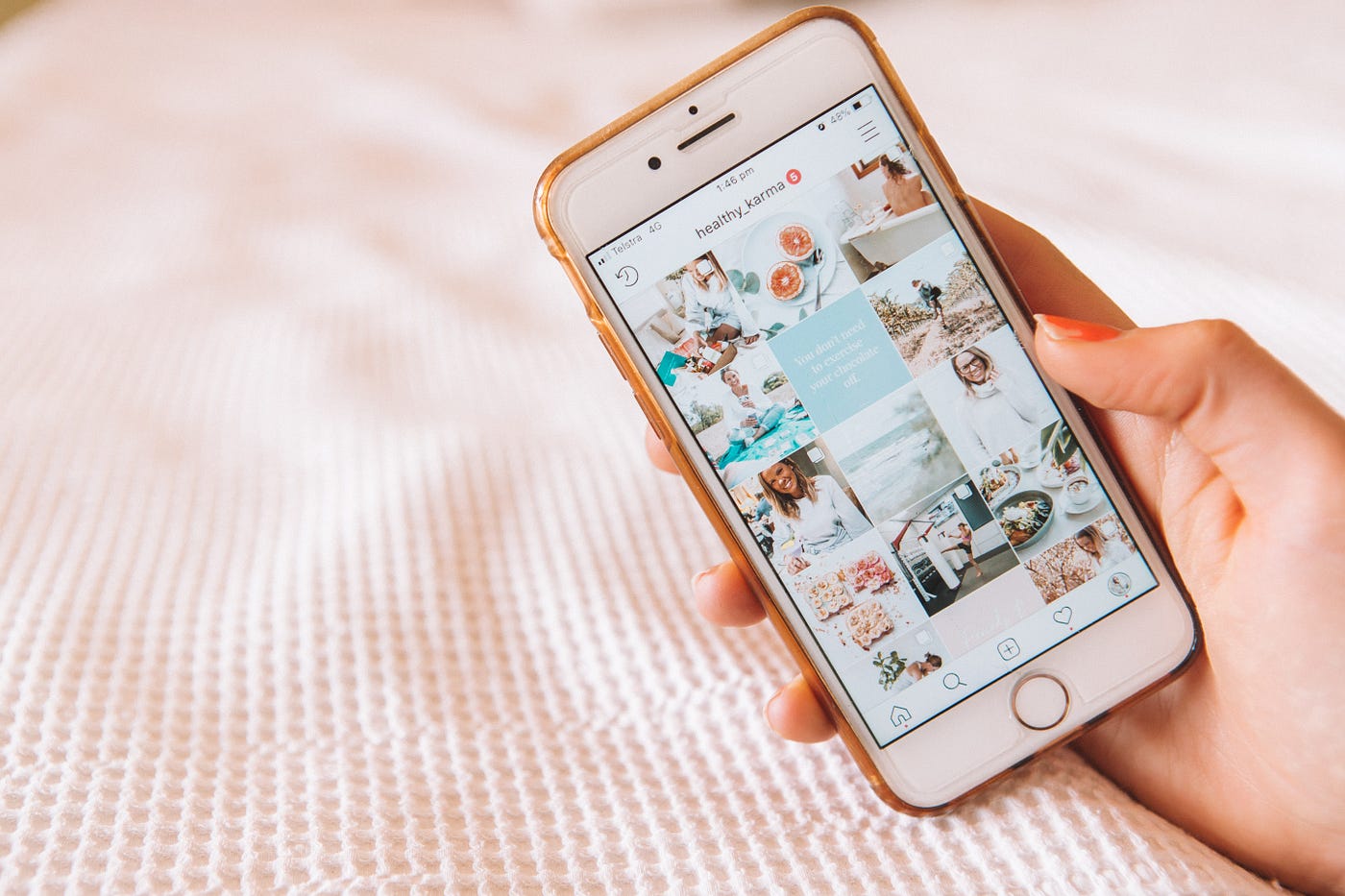
Photo by Maddi Bazzocco on Unsplash
So, What’s the Point?
One of the most important assets a company can hold is its “goodwill”. Among other things, this refers to the trust that consumers place in the intentions and practices of an organization. Influencer marketing is simply another arena in which that trust must be earned and maintained through the continuous good choices of the brand. Transparency is essential for influencers as well as the companies that hire them. As useful as influencer marketing is, it should be approached like every other marketing strategy to achieve success– with meticulous planning and intelligent execution.
…
* links that are offered by an influencer that provide a discount to the consumer and a percentage-of-sale kick-back to said influencer for each transaction initiated with the link
+ GRM = “Get Ready With Me”
메타데이터
- post_id
- 3d4cd61dc09e
- slug
- influencer-marketing-golden-goose-or-growing-liability-3d4cd61dc09e
- url
- https://medium.com/@kjaye.mcnair/influencer-marketing-golden-goose-or-growing-liability-3d4cd61dc09e
- canonical_url
- https://medium.com/@kjaye.mcnair/influencer-marketing-golden-goose-or-growing-liability-3d4cd61dc09e
- author_url
- https://medium.com/@kjaye.mcnair
- status
- ok
- fetched_at
- 2026-07-29 10:15:50