Dry Biochemistry Analyzer — Efficient Biochemical Testing for Clinical and Research Laboratories
Clinical diagnostics and laboratory research depend heavily on accurate biochemical testing. Laboratories analyze blood, serum, plasma, and…
Dry Biochemistry Analyzer — Efficient Biochemical Testing for Clinical and Research Laboratories
Clinical diagnostics and laboratory research depend heavily on accurate biochemical testing. Laboratories analyze blood, serum, plasma, and other biological samples to measure parameters such as glucose, cholesterol, liver enzymes, kidney markers, and electrolytes. However, many laboratories still face operational challenges such as complex reagent handling, maintenance requirements, and lengthy testing procedures.
A **Dry Biochemistry Analyzer addresses many of these limitations by simplifying biochemical analysis through dry chemistry technology. This advanced biochemistry machine** performs automated biochemical testing using reagent strips or slides instead of liquid reagents. As laboratories continue to adopt automation and machine learning–assisted data analysis, dry chemistry technology is becoming an important component of modern diagnostic workflows.
This article explores the working principle, uses, advantages, and applications of dry biochemistry analyzers, including the Dry Biochemistry Analyzer LDBA-A10, in clinical and research laboratories.
Understanding the Dry Biochemistry Analyzer
A dry biochemical analyzer is an automated diagnostic instrument used to measure biochemical parameters in biological samples. Unlike traditional wet chemistry systems that use liquid reagents, a dry chemistry analyzer machine uses pre-coated reagent slides or strips that contain all necessary chemicals in a dry form.
When a sample is placed on the slide, a chemical reaction occurs within the layered reagent structure. Optical sensors detect changes in color intensity, which correspond to the concentration of specific analytes. The instrument processes this information and displays the test results.
Because the reagents are integrated into the testing slides, the analyzer reduces manual preparation and minimizes reagent handling errors.
Faced with Modern Laboratories
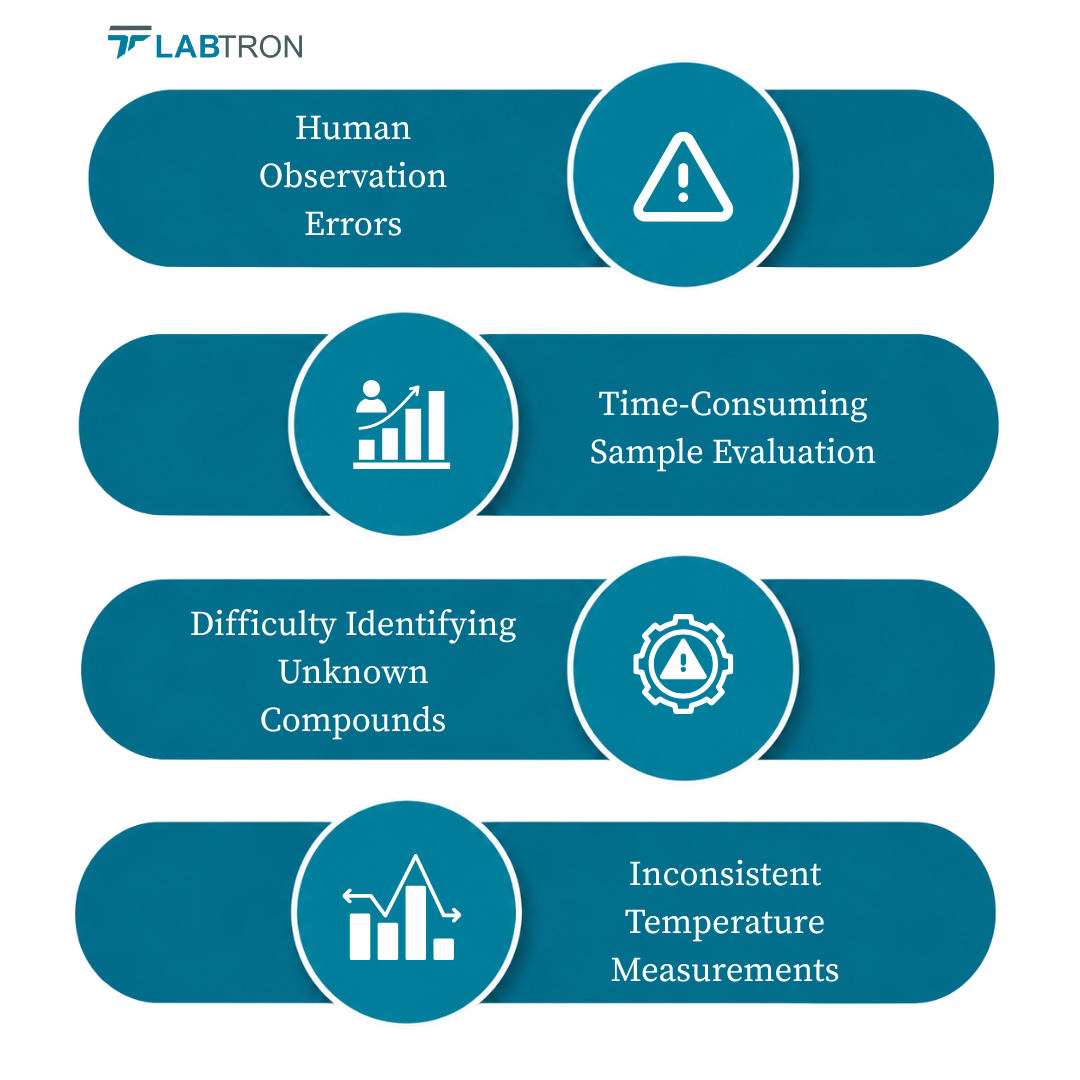
Many diagnostic centers and research laboratories experience operational issues that slow down biochemical testing. Some of the common concerns include:
Complex Reagent Preparation
Traditional **Biochemistry Analyzer** systems often require liquid reagent preparation, storage, and calibration. Incorrect reagent handling can affect test accuracy and workflow efficiency.
Sample Contamination Risks
Repeated reagent handling and open liquid systems may increase the risk of contamination between samples.
Time-Consuming Maintenance
Wet chemistry analyzers often require regular cleaning of tubing, pumps, and reagent lines, which adds downtime to laboratory operations.
Limited Workflow Automation
Manual data interpretation and result validation can slow down diagnostic reporting.
Cost of Reagent Waste
Liquid reagents sometimes expire before full utilization, increasing laboratory costs.
The dry biochemistry analyzer addresses these challenges by simplifying reagent management and introducing automated testing mechanisms.
Dry Biochemistry Analyzer Working Principle
The dry biochemistry analyzer principle is based on dry chemistry technology combined with photometric detection.
Working Process
- Sample Application A small volume of serum, plasma, or whole blood is placed on a dry reagent slide.
- Capillary Distribution The sample spreads through the layered reagent structure of the slide via capillary action.
- Chemical Reaction Enzymes and reagents embedded in the slide react with the target analyte.
- Color Formation The biochemical reaction produces a measurable color change.
- Optical Detection The analyzer measures color intensity using optical sensors.
- Data Processing The instrument converts optical signals into concentration values using calibration curves.
This dry biochemistry analyzer’s working principle eliminates the need for liquid reagent dispensing systems.
A Dry Biochemistry Analyzer Uses
A dry biochemistry analyzer uses advanced dry reagent technology to perform biochemical tests such as:
- Glucose testing
- Cholesterol measurement
- Liver enzyme analysis (ALT, AST)
- Kidney function markers (creatinine, urea)
- Lipid profile testing
- Protein level analysis
- Electrolyte measurements
These tests are essential for diagnosing metabolic disorders, liver disease, cardiovascular conditions, and kidney dysfunction.
Role of Machine Learning in Biochemical Analysis
Machine learning has begun to transform laboratory diagnostics by improving data interpretation and operational efficiency.
Automated Result Validation
Machine learning algorithms analyze test patterns and flag abnormal results that may require review.
Quality Control Monitoring
Data models monitor instrument performance and detect irregular patterns in calibration or control results.
Predictive Maintenance
Machine learning tools analyze analyzer performance data and predict potential technical issues before they interrupt laboratory workflows.
Pattern Recognition in Clinical Data
Large datasets generated by biochemical analyzers can be analyzed to identify trends related to disease progression and treatment response.
Integrating machine learning with a dry chemistry analyzer enhances laboratory productivity and supports faster diagnostic decisions.
Biochemistry Analyzer Specifications
Laboratories selecting a biochemistry analyzer evaluate several technical parameters to ensure compatibility with their testing requirements.
Typical biochemistry analyzer specifications include:
- Test throughput capacity
- Sample volume requirements
- Measurement method (reflectance photometry)
- Reagent format (dry slides or strips)
- Data storage capability
- Calibration methods
- Quality control features
- Interface for laboratory information systems
The Dry Biochemistry Analyzer LDBA-A10 is designed to support automated biochemical testing while maintaining streamlined laboratory workflows.
Dry Chemistry Analyzer Advantages and Disadvantages
Understanding the strengths and limitations of dry chemistry systems helps laboratories determine the right analyzer configuration.
Advantages of the Dry Chemistry Analyzer
Minimal reagent preparation Dry slides contain embedded reagents, reducing manual preparation steps.
Reduced contamination risk Closed reagent systems limit cross-contamination between samples.
Simplified maintenance Absence of liquid reagent lines decreases cleaning requirements.
Lower reagent waste Individual test slides reduce reagent expiration losses.
Compact instrument design Many dry biochemistry analyzer systems are designed with space-efficient structures.
Disadvantages of the Dry Chemistry Analyzer
Limited test menu compared with large wet chemistry analyzers
Higher per-test reagent cost in some cases
Dependence on specialized reagent slides
Despite these limitations, many laboratories prefer dry chemistry technology for routine biochemical testing due to operational simplicity.
Dry Chemistry Analyzer Application in Laboratories

The dry chemistry analyzer application spans multiple laboratory environments.
Clinical Diagnostic Laboratories
Hospitals and diagnostic centers use dry chemistry analyzers to measure metabolic markers and monitor patient health indicators.
Emergency Testing Units
Because of simplified reagent handling, dry analyzers are often used for rapid biochemical testing in emergency settings.
Research Laboratories
**Bio-Medical Equipment** research facilities use biochemical analyzers to study metabolic pathways and disease biomarkers.
Veterinary Laboratories
Animal diagnostic centers use biochemistry machines for evaluating animal health through blood chemistry tests.
Point-of-Care Testing Facilities
Compact dry chemistry analyzer machines support decentralized testing environments such as small clinics and field laboratories.
Biochemistry Analyzer Uses in Medical Diagnostics
The biochemistry analyzer extends across several diagnostic fields:
- Diabetes monitoring through glucose measurement
- Liver function testing through enzyme analysis
- Kidney disease evaluation through creatinine and urea testing
- Lipid profile testing for cardiovascular risk assessment
- Nutritional status analysis through protein measurement
These tests help clinicians assess organ function and detect disease conditions at an early stage.
Dry Biochemistry Analyzer — How to Use
Understanding how to use the dry biochemistry analyzer procedures helps **Laboratory Equipment** technicians perform accurate tests.
Basic Operating Steps
- Turn on the analyzer and complete system initialization.
- Insert the appropriate dry reagent slide for the selected test.
- Load the patient sample into the sample port or slide surface.
- Enter sample identification details through the interface.
- Start the analysis process.
- The analyzer performs the reaction and optical measurement automatically.
- Review and export the test results to laboratory data systems.
Most modern analyzers include touchscreen interfaces that guide users through the testing process.
Dry Biochemistry Analyzer LDBA-A10 for Laboratory Testing
The Dry Biochemistry Analyzer LDBA-A10 is designed for biochemical testing in diagnostic and research laboratories. The instrument supports dry chemistry testing methods and assists laboratory staff in processing biochemical samples with automated measurement and digital result reporting.
Its dry chemistry testing format simplifies reagent management while supporting multiple biochemical parameters commonly used in clinical diagnostics.
Future Trends in Dry Biochemistry Analysis
**Laboratory** diagnostics continues to evolve with automation, artificial intelligence, and advanced data analysis.
Several emerging trends include:
- Integration of machine learning with diagnostic analyzers
- Cloud-based laboratory data management
- Compact analyzers for decentralized testing environments
- Expanded test panels using dry chemistry technology
- Automated quality control monitoring systems
These developments will continue to enhance the efficiency of biochemistry analyzer systems used in laboratories worldwide.
For more information, **click here** or contact us at
Email: info@labtron.com
메타데이터
- post_id
- 3d5d490d37cc
- slug
- dry-biochemistry-analyzer-efficient-biochemical-testing-for-clinical-and-research-laboratories-3d5d490d37cc
- url
- https://medium.com/@deniselabtroncc/dry-biochemistry-analyzer-efficient-biochemical-testing-for-clinical-and-research-laboratories-3d5d490d37cc
- canonical_url
- https://medium.com/@deniselabtroncc/dry-biochemistry-analyzer-efficient-biochemical-testing-for-clinical-and-research-laboratories-3d5d490d37cc
- author_url
- https://medium.com/@deniselabtroncc
- status
- ok
- fetched_at
- 2026-06-26 03:39:16