Introduction to Linux
What It Is and Its Distributions
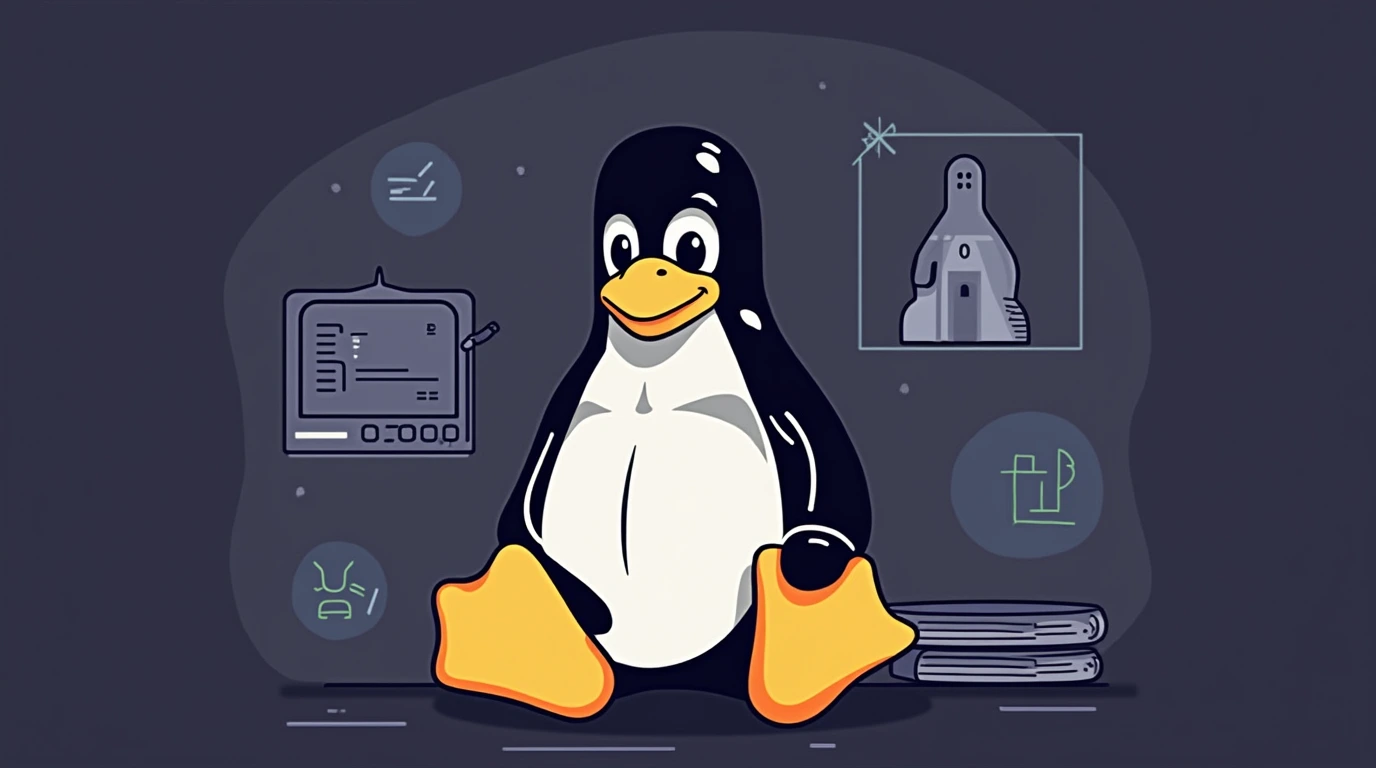
Introduction to Linux: What It Is and Its Distributions
Author: Jacivaldo Carvalho
Date: October 11, 2024
What is Linux?
Linux is an open-source operating system that has become one of the main platforms for servers, embedded devices, and desktops/laptops. Launched by Linus Torvalds in 1991, Linux was initially developed as an alternative to the Unix operating system. What sets Linux apart from other operating systems is its open-source nature, allowing anyone to access, modify, and distribute the source code.
History of Linux
The history of Linux begins when Linus Torvalds announced the project in a news group called comp.os.minix. The initial idea was to create a system that could be used on PCs, similar to Minix, an educational system. Over the years, the developer community has contributed to the growth of Linux, leading to the creation of various distributions, each tailored to different needs.
Features of Linux
- Open Source: Linux is free, and its source code can be modified by anyone.
- Security: Linux is considered more secure than many operating systems, partly due to its permission structure.
- Stability: Many Linux distributions are known for their stability, making them ideal for servers.
- Customization: Users can customize Linux to meet their specific needs.
- Community: A vast community of users and developers is always ready to help and share knowledge.
Linux Distributions
Linux distributions, or “distros,” are variations of the Linux operating system that include the Linux kernel and a selection of software and tools. Each distribution is designed to meet a specific set of user needs and preferences. Some of the most popular distributions include:
- Ubuntu: Known for its ease of use, it is one of the most popular distributions among beginners.
- Debian: Famous for its stability, it is often used on servers.
- Fedora: Sponsored by Red Hat, it offers the latest technologies.
- Arch Linux: Stands out for its customization, allowing users to build their system from scratch.
- CentOS: A free version of Red Hat Enterprise Linux, focused on stability and security.
MX Linux
One distribution worth highlighting is **MX Linux**, which I use and enjoy. Developed by the community, MX Linux is a lightweight and user-friendly distribution based on Debian and antiX. It is designed to provide a fast and efficient desktop experience, making it ideal for computers with older or limited hardware.
Why Choose MX Linux?
- Lightweight: MX Linux is known for its low resource consumption, making it perfect for older machines.
- User-Friendly Interface: With an intuitive graphical interface, even novice users can navigate easily.
- Customization: MX Linux offers various customization options to suit user preferences.
- Useful Tools: It includes several pre-installed tools that facilitate system management and customization.
- Active Community: The MX Linux community is welcoming and always ready to help new users.
How is Linux Used?
Linux is widely used in various areas, including:
- Servers: Most web servers run on Linux systems due to their stability and security.
- Software Development: Many developers prefer Linux for its robust tools and user-friendly development environment.
- Mobile Devices: Android, the most popular mobile platform, is based on Linux.
- Embedded Devices: Linux is a popular choice for embedded systems, such as IoT devices.
Advantages of Linux
- Cost: Most Linux distributions are free, allowing users and businesses to save on licensing costs.
- Security: Linux has a robust security history and is less susceptible to viruses and malware compared to other operating systems.
- Flexibility: Linux can be adapted to meet a variety of needs, from desktops to servers.
- Frequent Updates: The open development model allows for frequent updates and continuous improvements.
Challenges of Linux
Despite its many advantages, Linux also faces some challenges:
- Learning Curve: For users accustomed to operating systems like Windows or macOS, transitioning to Linux may require an adjustment period.
- Software Compatibility: While many popular software applications have versions for Linux, some may not be available, forcing users to seek alternatives.
- Hardware Support: Some hardware devices may not have drivers available for Linux, although this has improved significantly over the years.
Conclusion
Linux is a versatile and powerful operating system that offers a wide range of distributions to meet different user needs. With its open-source nature, security, and flexibility, it has become a popular choice in various areas, from servers to desktops. MX Linux, in particular, is an excellent option for those looking for a lightweight and user-friendly distribution.
If you are considering trying Linux, I recommend starting with MX Linux. Its user-friendly interface and useful tools make the transition smooth, allowing you to enjoy all the benefits that Linux has to offer.
Explore the world of Linux and discover everything it can do for you!
References
- Torvalds, Linus. Just for Fun: The Story of an Accidental Revolutionary. HarperBusiness, 2001. This book provides a personal insight from Linux creator Linus Torvalds and discusses the history of the system’s development.
- Stallman, Richard. Free Software, Free Society: Selected Essays of Richard M. Stallman. GNU Press, 2002. A collection of essays discussing the concept of free software and the impact of Linux on the open-source community.
- Negus, Chris. Linux Bible. Wiley, 2021. A comprehensive guide to using and administering Linux, covering various distributions and practical applications.
- Bovet, Daniel P. and Cesati, Marco. Understanding the Linux Kernel. O’Reilly Media, 2005. This book provides a detailed analysis of the Linux kernel and its internal operations.
- Diez, Miguel. Linux Essentials. Wiley, 2018. An introduction to Linux, covering basic concepts and popular distributions, including MX Linux.
- Kernighan, Brian W. and Pike, Rob. The UNIX Programming Environment. Prentice Hall, 1984. Although focused on Unix, this book is fundamental for understanding the philosophy that influenced the development of Linux.
- MX Linux Official Website. MX Linux The official page for MX Linux, with documentation, downloads, and community information.
- DistroWatch. DistroWatch A website that provides detailed information about various Linux distributions, including popularity, releases, and features.
These references can be used to deepen your knowledge about Linux and its distributions.
Linux #OpenSource #LinuxDistributions #MXLinux #Ubuntu #Debian #Fedora #ArchLinux #CentOS #FreeSoftware #Technology #Development #Security #Stability #Customization #LinuxCommunity #OperatingSystems #TCC #LinuxForBeginners #HistoryOfLinux #LinuxTips #Computing #IoT #Servers #SoftwareDevelopment
메타데이터
- post_id
- 3d6da8df607d
- slug
- introduction-to-linux-3d6da8df607d
- url
- https://medium.com/@jacivaldocarvalho/introduction-to-linux-3d6da8df607d
- canonical_url
- https://medium.com/@jacivaldocarvalho/introduction-to-linux-3d6da8df607d
- author_url
- https://medium.com/@jacivaldocarvalho
- status
- ok
- fetched_at
- 2026-06-24 04:09:36