Green Is the New Green: How Sustainability Powers Modern Profits?
I used to think “being green” was mostly about recycling and good PR, a nice thing to do, but not a real business priority. But after…
Green Is the New Green: How Sustainability Powers Modern Profits?
I used to think “being green” was mostly about recycling and good PR, a nice thing to do, but not a real business priority. But after looking into it, I’ve realized that’s completely outdated. Today, making your operations sustainable is one of the smartest strategic moves a company can make. It’s not about spending more money to look good; it’s about building a business that wastes less, is more efficient, and stands strong against future risks.
Consumers, investors, and new laws are all pushing for it. So, smart companies are now introducing sustainability right into their daily operations. They call this Green Operations.
The Three Big Shifts That Make it Work
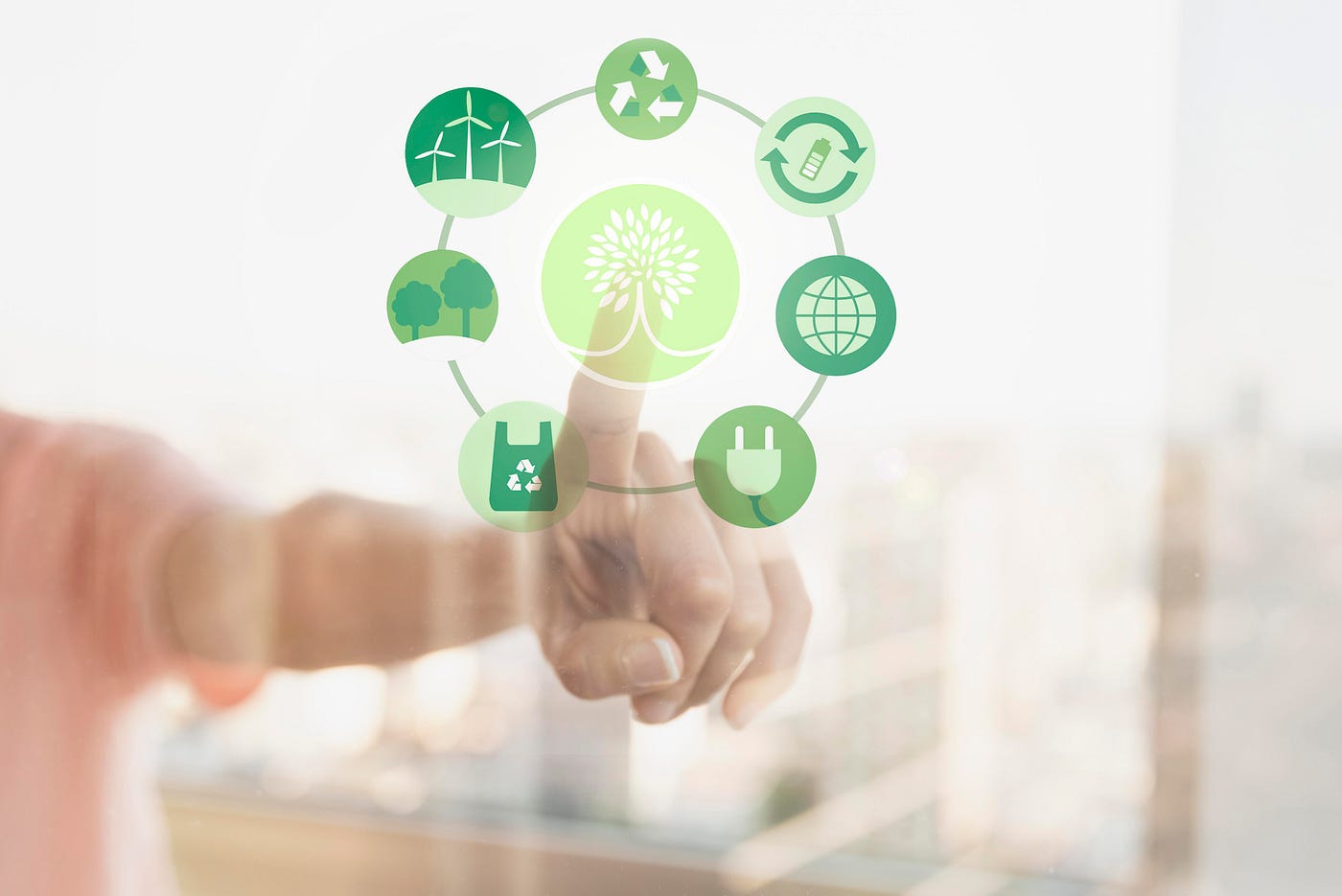
Green Operations isn’t just a single project. It’s a new way of running things, built on three connected ideas.
1. Stop Throwing Things Away (The Circular Mindset) — Our old “take-make-waste” model is broken. It’s wasteful and expensive. The new goal is to create a loop where materials are used again and again.
- Instead of designing products to be replaced, design them to be durable, easy to fix, and easy to refurbish. Companies like HPE and Caterpillar make serious money by servicing and remanufacturing old equipment.
- Set up systems to get your product back when the customer is done with it. Patagonia does this, they take back old gear to recycle into new items. This turns waste into a source of materials and cuts down on both buying new stuff and paying to throw the old stuff away.
2. Build a Smarter, Cleaner Supply Chain — How you move things and who you buy from is a huge opportunity.
- Work with suppliers who also care about the environment. This protects you from future regulations and protects your brand’s reputation. It’s a form of risk management.
- Use technology like AI to plan smarter delivery routes and fully load trucks. Switch to electric delivery vans where you can and cut down on excessive packaging. This saves a ton of fuel and cuts emissions. It’s a clear win-win as you spend less and pollute less.
3. Squeeze More Out of Every Resource — This is about applying common-sense efficiency to everything.
- Treat energy like any other cost you want to reduce. Switch to LED lights, upgrade old motors, and use smart systems to power down when no one’s around. The savings go straight to your profit.
- In a perfect system, you’d use 100% of what you pay for. Aim for that. Optimize how you cut materials to reduce scrap, and recycle water in your processes. Every bit of waste you eliminate is money you’ve already spent that you’re now actually using.
How to Talk About the Results
To keep everyone on board, you need to measure the impact in clear business terms. Modern companies track things like:
- How much carbon pollution is created per product made.
- How much revenue you generate for every dollar spent on energy.
- What percentage of your materials are recycled or renewable.
- How much trash you’ve kept out of landfills and the dump fees you’ve avoided.
These numbers shift the conversation from “We should do this” to “Look at how well we’re performing.”
Green Operations is the future of good business. It proves that taking care of the planet and making a profit aren’t opposites, they go hand in hand. By designing for circularity, building intelligent supply chains, and chasing radical efficiency, companies aren’t just declining their environmental footprint. They’re building a leaner, more innovative, and much more resilient business. In the end, the most sustainable company is also the toughest competitor.
References: Ellen MacArthur Foundation. (2019, March 4). Circular Economy Reports & Publications From The Ellen MacArthur Foundation. Ellenmacarthurfoundation.org. https://www.ellenmacarthurfoundation.org/publications; The World Economic Forum Industry Action Groups | Accenture. (n.d.). Www.accenture.com. https://www.accenture.com/us-en/insights/strategy/wef-industries; Managing the impact of buildings on our environment. (2025). Planon. https://planonsoftware.com; Stahel, W. R., & MacArthur, E. (2019). The Circular Economy. Routledge. https://doi.org/10.4324/9780429259203; Gariba, M. I., Odei, samuel A., Arthur, E. E., & soukal, I. (2025). Driving circular economy transformation through technological innovation: the moderating role of regulatory environment, human capital, and technological capacity. Humanities and Social Sciences Communications. https://doi.org/10.1057/s41599-025-06414-2
메타데이터
- post_id
- 3d735970c560
- slug
- green-is-the-new-green-how-sustainability-powers-modern-profits-3d735970c560
- url
- https://medium.com/@meerim.seiitova.ark/green-is-the-new-green-how-sustainability-powers-modern-profits-3d735970c560
- canonical_url
- https://medium.com/@meerim.seiitova.ark/green-is-the-new-green-how-sustainability-powers-modern-profits-3d735970c560
- author_url
- https://medium.com/@meerim.seiitova.ark
- status
- ok
- fetched_at
- 2026-06-17 10:21:25