Nomia Iqbal: From BBC Newsbeat To Washington Correspondent
If you follow British broadcasting, you’ve probably heard Nomia Iqbal’s work somewhere along the way. She’s become one of the BBC’s most…
Nomia Iqbal: From BBC Newsbeat To Washington Correspondent
If you follow British broadcasting, you’ve probably heard Nomia Iqbal’s work somewhere along the way. She’s become one of the BBC’s most recognizable journalists. And honestly, it’s not hard to see why. Over the years, she’s built a strong career by making difficult global stories feel clear and human. That’s pretty rare now, you know? She started with regional reporting in the UK. Later, she moved onto major international coverage. Through all of it, her reporting style stayed grounded. She focuses on real conversations and direct human connection. For her, that’s what good storytelling is all about.
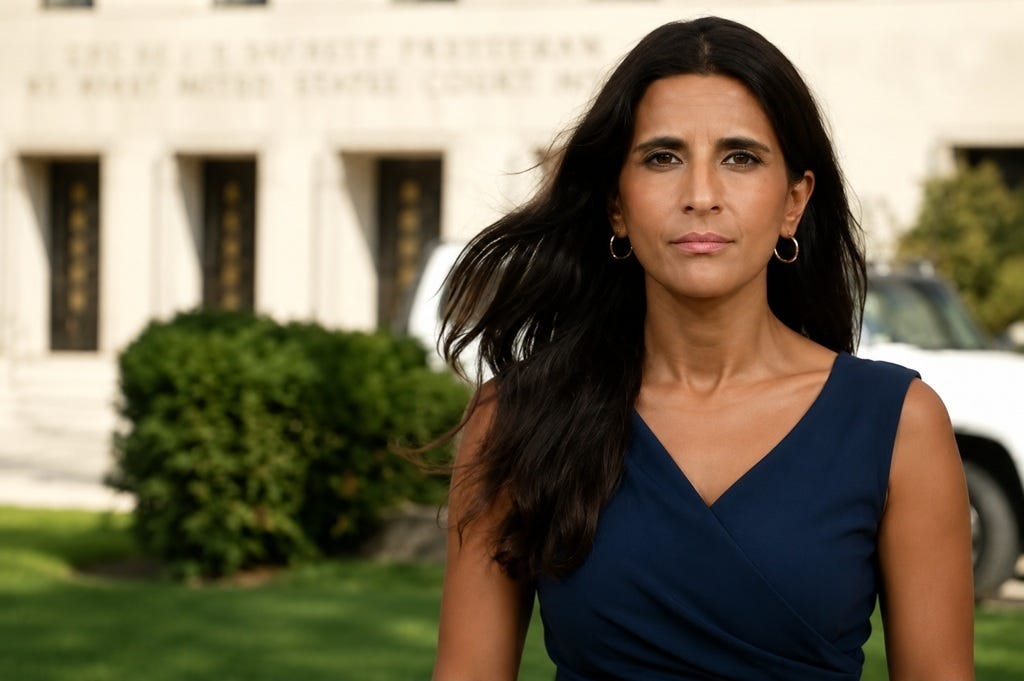
From Yorkshire Roots to Global Beats
Nomia started her journalism career in commercial radio. She worked across Yorkshire and the Northwest. It was fast-paced. Busy. Sometimes chaotic, probably. But that environment taught her how to communicate clearly and quickly. She sharpened her reporting skills there. Then, in 2008, she joined BBC Radio 1. She became an anchor and reporter for Newsbeat, the station’s flagship youth news program.
Her work during those years covered a huge mix of topics. One day it was the 2011 London riots. Another day it was social issues affecting young people. The variety kept things moving. She also gained a reputation pretty fast. She wasn’t the kind of journalist who stayed behind a desk all day. Instead, she went straight into communities and spoke with people directly. That approach helped her build genuine connections. And let’s be real, audiences can tell when someone’s being authentic.
READ ALSO: Laura Álvarez Husband: Everything You Need to Know
Reporting on the International Stage
As her career grew, Nomia moved further into international reporting. Her role expanded across BBC Radio 5 Live, BBC Radio 4, and the BBC World Service. She covered major political stories. Big global shifts too. At times, she analyzed complicated issues like the Iran nuclear deal. Other times, she reported from places like Myanmar. There, she explored how youth radio shaped political change. Oddly enough, even the most complex stories in her reporting still felt personal. She always brought the focus back to ordinary people.
In recent years, she moved to Washington, D.C. That came with a major role. She became the **BBC’s North America** Correspondent. It’s a demanding position. The US news cycle never really slows down. Especially in Washington. Still, her reporting keeps that approachable tone people know her for. She avoids heavy political language whenever possible. Instead, she explains how policies affect daily life. That choice matters more than people think.
Balancing a Demanding Career and Private Life
Life as an international correspondent can get exhausting. There’s constant travel. Sudden assignments too. Journalists often jump between time zones with barely any warning. It sounds exciting, sure, but it’s also draining sometimes. Naturally, people become curious about how reporters manage their personal lives while handling nonstop breaking news.
That curiosity often extends beyond journalism itself. People search for topics like **Nomia Iqbal marriage** or details about her family life. But she keeps those parts of her life private. Very private, actually. Like many high-profile broadcasters, she separates work from personal matters. On social media platforms like X, formerly Twitter, and Instagram, she interacts warmly with audiences. Still, her posts mostly focus on reporting, ongoing stories, and behind-the-scenes journalism moments. She also encourages young journalists quite a bit. That balance seems intentional. Probably necessary too. Everyone needs some space away from the spotlight.
The Value of On-The-Ground Journalism
Today’s media world moves incredibly fast. Digital feeds dominate everything. Automated updates are everywhere now. Yet Nomia still strongly supports traditional field reporting. She often encourages journalism students to leave their desks behind. Go outside. Speak with real communities. Experience unpredictable situations firsthand. According to her, that’s where the best reporting usually happens.
Her career path has become a solid example for young British journalists. She started in local commercial radio. Step by step, she worked her way into the BBC’s international operations. It didn’t happen overnight. That’s important to remember. Her success shows that curiosity still matters. Clear communication matters too. And honestly, listening carefully to people may matter most of all. Even in a noisy global media landscape, those basics still connect with audiences better than flashy headlines ever could.
READ ALSO: Types of Pancakes Around the World: A Guide to Everyone’s Favourite Comfort Food
메타데이터
- post_id
- 3d8372d20060
- slug
- nomia-iqbal-from-bbc-newsbeat-to-washington-correspondent-3d8372d20060
- url
- https://medium.com/@thelondonchronicle/nomia-iqbal-from-bbc-newsbeat-to-washington-correspondent-3d8372d20060
- canonical_url
- https://medium.com/@thelondonchronicle/nomia-iqbal-from-bbc-newsbeat-to-washington-correspondent-3d8372d20060
- author_url
- https://medium.com/@thelondonchronicle
- status
- ok
- fetched_at
- 2026-06-09 15:37:30