Why Do We Need Booster Shots?
Why immune protection fades over time and how boosters help refresh immune memory
Why Do We Need Booster Shots?
Why immune protection fades over time and how boosters help refresh immune memory
Photo by Daniel Schludi on Unsplash
Remember, during the COVID pandemic, vaccines became available? Many of us assumed that one shot would be enough to make us immune to COVID-19.
But over time, we realised that wasn’t the case. Some COVID-19 vaccines required two doses, followed by additional booster shots months later.
But why? Shouldn’t a single shot of the vaccine be enough to defend us against diseases?
Let’s take a deep dive into the need for booster shots.
How do Vaccine Boosters Work?
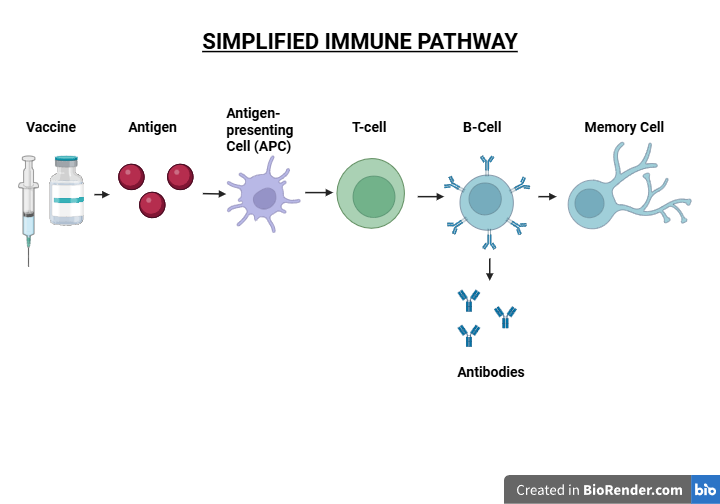
Simplified Immune Pathway (Created in BioRender.com)
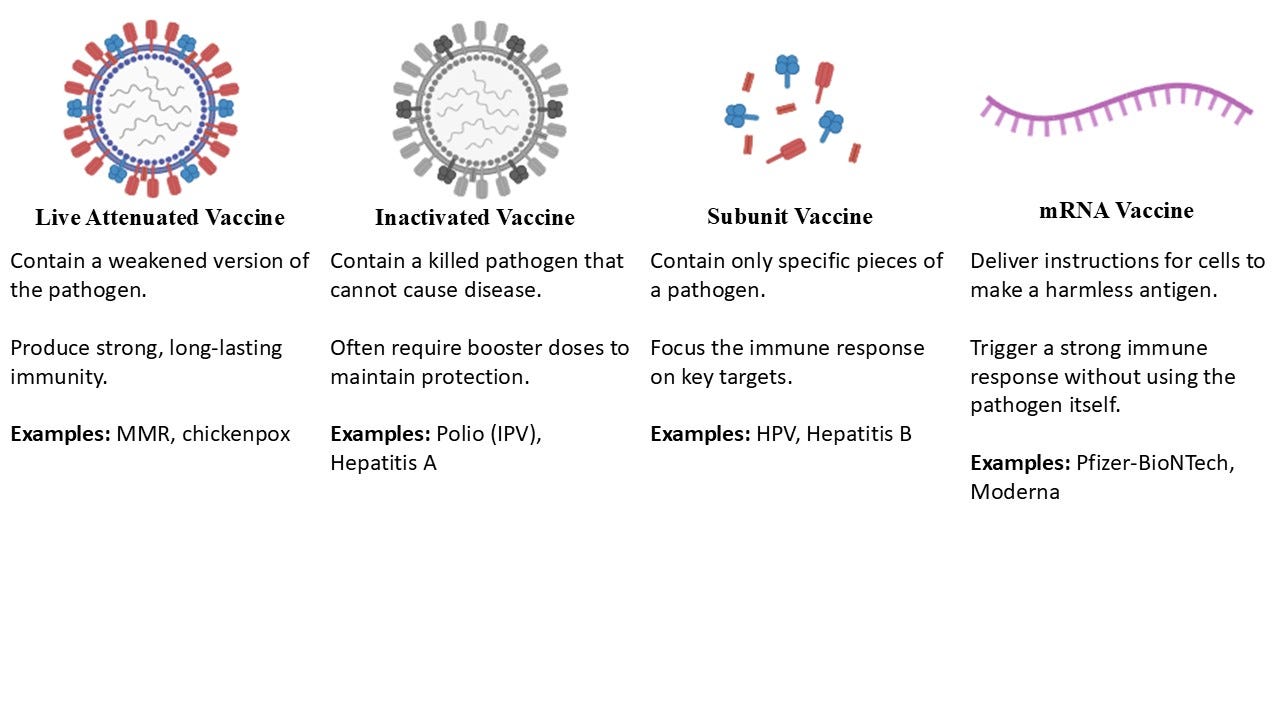
From the previous parts of the mini-series, we know that vaccines contain a weakened form or altered components of the disease-causing pathogen. This trains our immune system to produce antibodies against the disease.
Sometimes, it takes more than one dose of the vaccine to build long-lasting immunity. A booster shot is essentially a reminder for the immune system.
When a booster vaccine enters the body, memory B and T cells quickly recognise the antigen they have encountered before. Because the immune system already has prior experience, the response is much faster and stronger compared to the first exposure.
Booster shots increase antibody levels, strengthen immune memory, improve long-term protection, and prepare the body for further exposure to the pathogen.
In many ways, booster shots work like revising information before an exam. The knowledge is already there, but refreshing it improves recall and response.
Does Vaccine Immunity Last Forever?
Unfortunately, not always.
After vaccination, the immune system initially produces high levels of antibodies against the pathogen. Over time, the level of antibodies decreases in our body, and the immunity built against the disease diminishes.
This is completely normal.
The immune system cannot maintain maximum antibody production forever because it would require a large amount of energy and biological resources. Instead, the body keeps memory B and T cells in reserve, ready to respond if the pathogen appears again.
However, if many years pass or the pathogen changes significantly, the immune response may no longer be fast or strong enough to fully prevent infection.
This is where a booster shot will be helpful.
A booster dose reactivates the immune system, encouraging it to produce higher levels of antibodies once again and strengthening existing immune memory.
Photo by National Cancer Institute on Unsplash
Why Do Only Some Vaccines Require Booster Shots?
Not all vaccines behave the same way.
Some vaccines provide protection that lasts for decades, while others require periodic booster doses. Researchers are still studying why immunity lasts longer for certain diseases than others.
There are several factors that can cause this. It could be the type of pathogen, its mutation rate, the type of immune response generated, and the vaccine technology used.
For example, measles vaccines are only for kids because they don't mutate. On the other hand, influenza vaccines are updated frequently due to the rapid mutation of the virus. Similarly, we require a Tdap vaccine booster shot, which protects against tetanus, diphtheria, and whooping cough, every ten years to maintain immunity.
In the case of COVID-19 vaccines, booster shots were required because newer variants kept emerging and immunity faded over a period of time.
Do Booster Shots Mean the Vaccine Failed?
Not at all.
A common misconception is that needing a booster means the original vaccine “didn’t work.” But immunity is far more complex than that.
Even when antibody levels decline, immune memory often still exists. Vaccinated individuals may still have significant protection against severe disease, hospitalisation, and death.
Booster shots simply strengthen and refresh that protection.
In fact, needing booster doses is quite normal in medicine and is not unique to COVID-19 vaccines.
Can Pathogens Outsmart the Immune System?
Sometimes, yes.
Certain pathogens — especially viruses — mutate over time. These mutations can change the antigens found on their surface, making it harder for the immune system to recognise them perfectly.
This process is one reason why some infections can occur more than once.
However, even when immune memory does not completely prevent infection, it can still reduce disease severity because the immune system retains partial recognition of the pathogen.
In other words, immunity is not always “all or nothing.”
Photo by Fusion Medical Animation on Unsplash
Why This Matters
Booster shots reveal something important about biology: the immune system is dynamic.
Protection changes over time. Pathogens evolve. The immune system adapts in response.
Vaccination is not simply about one moment of protection. It is about maintaining immune readiness over months, years, and sometimes even decades.
Photo by National Institute of Allergy and Infectious Diseases on Unsplash
Final Thoughts
The immune system has an incredible ability to learn and remember. But like memory itself, immune protection can fade with time.
Booster shots help refresh that memory, strengthen immune responses, and prepare the body for future encounters with disease.
Rather than meaning vaccines have failed, boosters are reminders that biology is constantly changing, and our immune systems change along with it.
Dear reader, if you’ve made it this far, thank you for reading. Next week, in the final part of this series, we’ll explore why some vaccines work better than others and what factors influence vaccine effectiveness.
If you enjoy exploring the science behind everyday life, feel free to follow along :)
메타데이터
- post_id
- 3d86e874e81c
- slug
- why-do-we-need-booster-shots-3d86e874e81c
- url
- https://medium.com/@harinee1999/why-do-we-need-booster-shots-3d86e874e81c
- canonical_url
- https://medium.com/@harinee1999/why-do-we-need-booster-shots-3d86e874e81c
- author_url
- https://medium.com/@harinee1999
- status
- ok
- fetched_at
- 2026-06-09 15:37:30