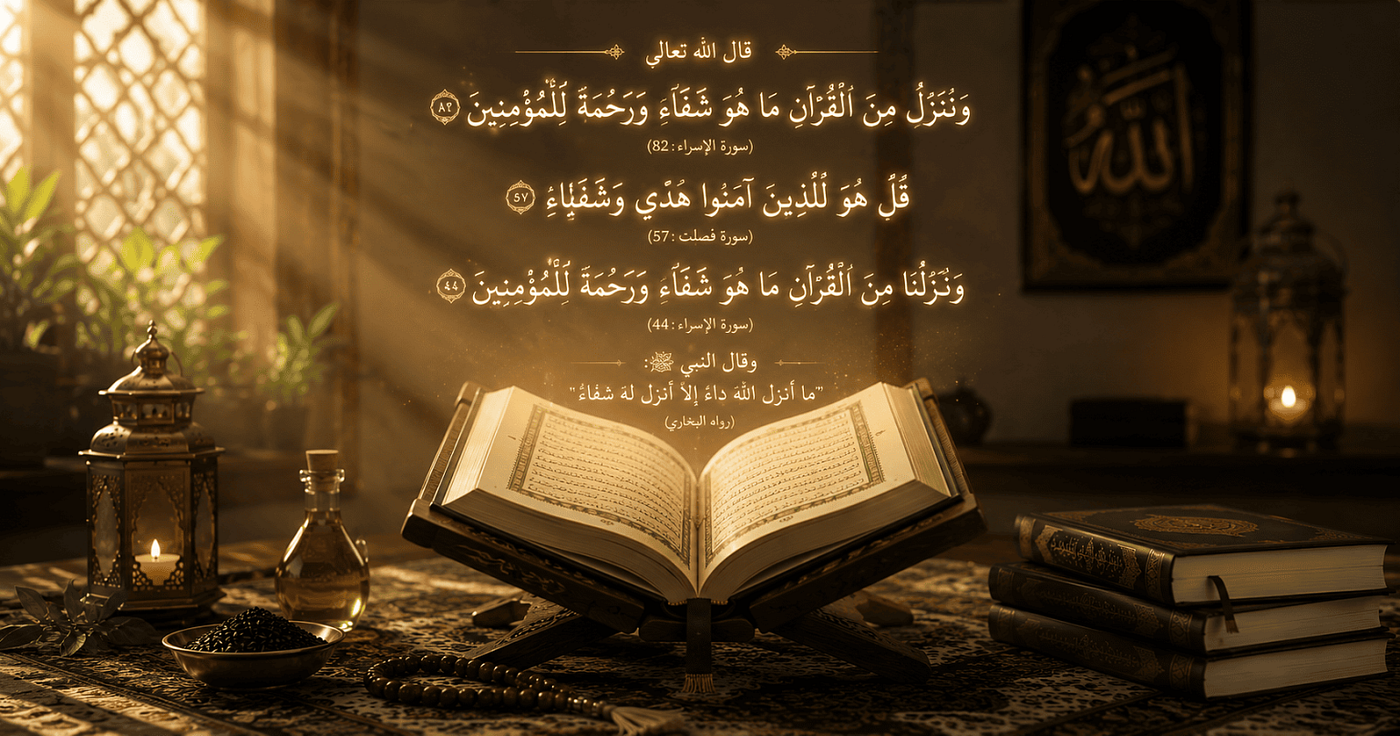
Carrying Too Much Guilt? These 7 Duas Will Help Cleanse Your Heart
Every single human being makes mistakes. It is an inseparable part of our nature. However, what sets a believer apart is not perfection…
Carrying Too Much Guilt? These 7 Duas Will Help Cleanse Your Heart
Every single human being makes mistakes. It is an inseparable part of our nature. However, what sets a believer apart is not perfection, but the willingness to return to Allah in repentance after stumbling.

In Islam, seeking forgiveness — known as Istighfar (اِسْتِغْفَار) — is a key that unlocks peace, removes anxiety, and invites divine blessings into our lives. Allah’s mercy is infinitely larger than any sin we could ever commit:
“And whoever does a wrong or wrongs himself but then seeks forgiveness of Allah will find Allah Forgiving and Merciful.” — Quran (Surah An-Nisa, 4:110)
Here are 7 powerful, authentic supplications for forgiveness from the Quran and Sunnah to bring into your daily life.
1. The Simplest Act of Repentance: Astaghfirullah
This is the simplest and most frequently recited prayer. Despite being free from sin, the Prophet Muhammad (ﷺ) would seek Allah’s forgiveness 70 to 100 times a day as an act of devotion.
Short Version:
- Arabic: أَسْتَغْفِرُ اللَّهَ
- Transliteration: Astaghfirullah
- Translation: “I seek forgiveness from Allah.”
Longer Version:
- Arabic: أَسْتَغْفِرُ اللَّهَ رَبِّي وَأَتُوبُ إِلَيْهِ
- Transliteration: Astaghfirullaha Rabbi wa-atubu ilayhi
- Translation: “I seek the forgiveness of Allah, my Lord, and turn to Him in repentance.”
2. Sayyidul Istighfar (The Master Supplication)
This is the ultimate dua for seeking forgiveness. The Prophet (ﷺ) stated that whoever recites this during the day with firm conviction and dies before evening (or recites it at night and dies before morning) will be among the people of Paradise.
Arabic: اللَّهُمَّ أَنْتَ رَبِّي لَا إِلَهَ إِلَّا أَنْتَ، خَلَقْتَنِي وَأَنَا عَبْدُكَ، وَأَنَا عَلَى عَهْدِكَ وَوَعْدِكَ مَا اسْتَطَعْتُ، أَعُوذُ بِكَ مِنْ شَرِّ مَا صَنَعْتُ، أَبُوءُ لَكَ بِنِعْمَتِكَ عَلَيَّ، وَأَبُوءُ بِذَنْبِي فَاغْفِرْ لِي، فَإِنَّهُ لَا يَغْفِرُ الذُّنُوبَ إِلَّا أَنْتَ
Transliteration: Allahumma Anta Rabbi, la ilaha illa Anta, khalaqtani wa ana ‘abduka, wa ana ‘ala ‘ahdika wa wa’dika mastata’tu, a’udhu bika min sharri ma sana’tu, abu’u laka bi ni’matika ‘alayya, wa abu’u bi dhanbi faghfir li, fa innahu la yaghfirudh-dhunuba illa Anta.
Translation: “O Allah, You are my Lord. There is no deity except You. You created me and I am Your servant. I uphold Your covenant and promise as best I can. I seek refuge in You from the evil I have done. I acknowledge Your blessings upon me and I confess my sins. Forgive me, for none forgives sins but You.” (Sahih al-Bukhari)
3. The Dua of Prophet Adam (AS)
Recited by Adam (AS) and Hawa (Eve) after they ate from the forbidden tree. It is the perfect model of humility and taking accountability before Allah.
Arabic: رَبَّنَا ظَلَمْنَا أَنفُسَنَا وَإِن لَّمْ تَغْفِرْ لَنَا وَتَرْحَمْنَا لَنَكُونَنَّ مِنَ الْخَاسِرِينَ
Transliteration: Rabbana zalamna anfusana wa-in lam taghfir lana wa-tarhamna la-nakunanna minal-khasirin.
Translation: “Our Lord! We have wronged ourselves. If You do not forgive us and have mercy on us, we will certainly be lost.” (Quran | Surah Al-A’raf, 7:23)
4. Dua for Forgiveness for Your Parents
Seeking forgiveness for our parents is one of the highest acts of gratitude and kindness we can perform for them, both in their lives and after they pass away.
Arabic: رَّبِّ ارْحَمْهُمَا كَمَا رَبَّيَانِي صَغِيرًا
Transliteration: Rabbir hamhuma kama rabbayanee sagheera.
Translation: “My Lord, have mercy upon them as they brought me up when I was small.” (Quran | Surah Al-Isra, 17:24)
5. For Yourself, Your Parents, and the Believers
This is the beautiful dua of Prophet Ibrahim (AS), asking Allah to protect and forgive the entire community on the Day of Judgment.
Arabic: رَبَّنَا اغْفِرْ لِي وَلِوَالِدَيَّ وَلِلْمُؤْمِنِينَ يَوْمَ يَقُومُ الْحِسَابُ
Transliteration: Rabbana-ghfir lee wa liwalidayya wa lil-mu’mineena yawma yaqoomul-hisab.
Translation: “Our Lord, forgive me, my parents, and the believers on the Day of Reckoning.” (Quran | Surah Ibrahim, 14:41)
6. Forgiveness and Joining the Righteous
This dua asks Allah for comprehensive cleansing — forgiving major sins, wiping away minor errors, and granting a good end surrounded by the righteous.
Arabic: رَّبَّنَا فَاغْفِرْ لَنَا ذُنُوبَنَا وَكَفِّرْ عَنَّا سَيِّئَاتِنَا وَتَوَفَّنَا مَعَ الْأَبْرَارِ
Transliteration: Rabbana fa-ghfir lana dhunoobana wa-kaffir ‘anna sayyi’aatina wa-tawaffana ma’al-abrar.
Translation: “Our Lord! Forgive our sins, remove from us our misdeeds, and grant that we join the righteous when we die.” (Quran | Surah Ali ‘Imran, 3:193)
7. The Comprehensive Dua for All Sins
A beautiful prophetic dua that covers past, future, private, public, and even forgotten mistakes.
Arabic: اللَّهُمَّ اغْفِرْ لِي مَا قَدَّمْتُ وَمَا أَخَّرْتُ، وَمَا أَسْرَرْتُ وَمَا أَعْلَنْتُ، وَمَا أَنْتَ أَعْلَمُ بِهِ مِنِّي، أَنْتَ الْمُقَدِّمُ وَأَنْتَ الْمُؤَخِّرُ، وَأَنْتَ عَلَى كُلِّ شَيْءٍ قَدِيرٌ
Transliteration: Allahumma-ghfir lee ma qaddamtu wa ma akh-khartu, wa ma asrartu wa ma a’lantu, wa ma Anta a’lamu bihi minnee. Antal-Muqaddimu wa Antal-Mu’akhkhiru, wa Anta ‘ala kulli shay’in Qadeer.
Translation: “O Allah! Forgive me for those sins which I committed in the past and that which I may commit in the future, the sins that I have committed in privacy or in public, and all the sins of which You are better aware than I am. You are the One who brings forward and reprieves, and indeed You are capable of all things.” (Sahih Muslim)
FAQs
1. Can Allah forgive major sins repeatedly? Yes. Allah’s mercy is limitless. As long as you return to Him with sincere repentance (regretting the action, resolving not to repeat it, and making amends if others were harmed), He will forgive you, no matter how many times you have relapsed. Despairing of Allah’s mercy is considered a trick of Shaytan.
2. When is the best time to make dua for forgiveness? While you can ask for forgiveness at any time, the most recommended times are during the last third of the night (Tahajjud time), while in prostration (sujud) during prayer, and after completing the daily obligatory prayers.
Conclusion
Dua is a direct lifeline between you and your Creator. No matter how far you feel you have wandered, reciting these beautiful supplications with sincerity and a present heart is the first step back to peace, purity, and the mercy of Allah.
This article is a concise version of the comprehensive guide originally published on Sukoon Blog. To explore the importance of repentance and read additional details, visit the original article here: **7 Powerful Duas for Forgiveness from Quran and Sunnah on Sukoon**.
메타데이터
- post_id
- 3da4d90cd85c
- slug
- carrying-too-much-guilt-these-7-duas-will-help-cleanse-your-heart-3da4d90cd85c
- url
- https://medium.com/@trysukoon/carrying-too-much-guilt-these-7-duas-will-help-cleanse-your-heart-3da4d90cd85c
- canonical_url
- https://medium.com/@trysukoon/carrying-too-much-guilt-these-7-duas-will-help-cleanse-your-heart-3da4d90cd85c
- author_url
- https://medium.com/@trysukoon
- status
- ok
- fetched_at
- 2026-08-31 03:48:09