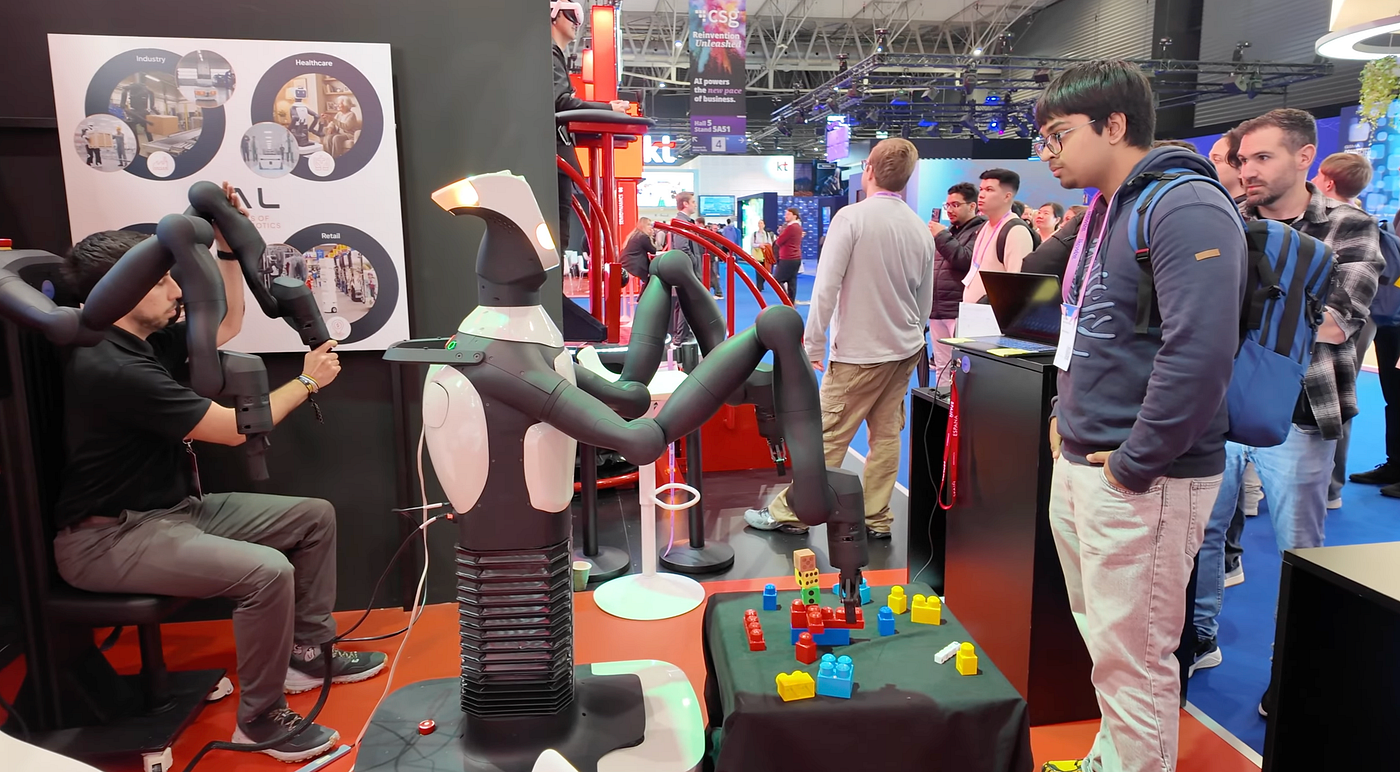
The Future of Connectivity after MWC 2026
Introduction
Wiki topics:
AI · AI · General
The Future of Connectivity after MWC 2026
Introduction
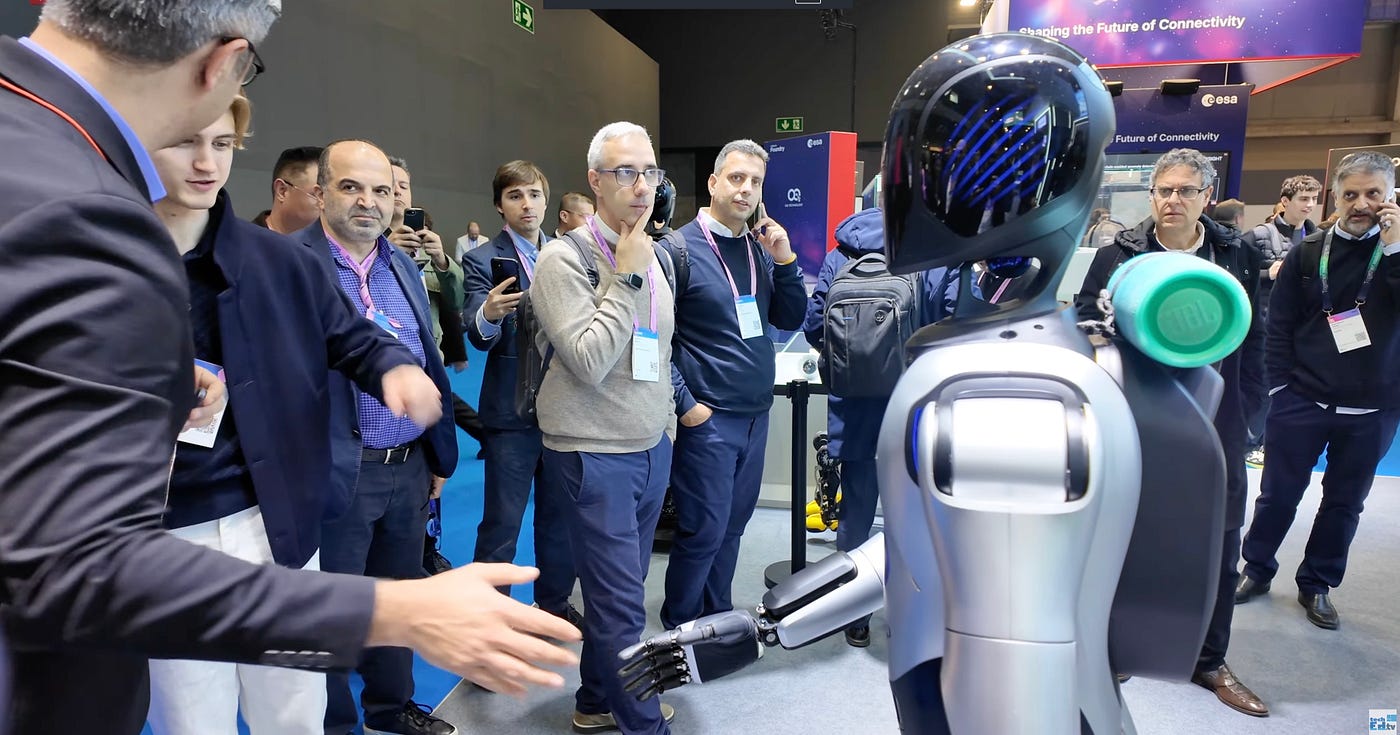
The event showcases how the physical world of radio towers is rapidly turning into a computerized, software-defined ecosystem. The focus is on implementing AI to optimize everything from automotive design to network maintenance.
[embed]
Key Highlights & Timeline
- Red Hat Linux & Autonomous Networks (4:15–11:46) Red Hat presents its OpenShift platform for running Generative AI workloads and Anible for automating system administration tasks. A key focus is event-driven support, where AI detects network issues and provides root cause analysis, leaving human operators to approve actions. They discuss their partnership with One New Zealand to achieve self-healing, auto-scaling networks.
- Software-Defined Vehicles (APTIVA) (11:47–14:54) The automotive industry is transforming, with cars essentially becoming computers on wheels. This segment explores how software manages vehicle functions, paving the way for advanced autonomous driving and improved in-vehicle experiences.
- Amphenol: Field RF Analysis (14:55–22:08) A deep dive into LTE antennas and RF sniffers. These tools allow technicians to triangulate interference in the field and fingerprint specific radio brands to identify transmitters for public safety.
- AI RAN Alliance (24:01–30:22) This nonprofit alliance focuses on experimenting with AI applications in the Radio Access Network (RAN). They demonstrate Air Map, a technology that uses AI to create digital twins of wireless networks, drastically reducing computation time compared to traditional methods.

AI RAN ALLIANCE
- MongoDB & Telco Data (30:23–32:24) MongoDB discusses its role in managing the complex JSON data required for AI initiatives within telecommunications, supporting large-scale enterprise use cases.
- Alibaba Cloud & Qwen Models (33:25–40:00) Alibaba presents its Qwen models and Model Studio, emphasizing on-premise AI solutions. These tools allow enterprises to leverage open-source language models while keeping their private data secure.

Alibaba’s AI Stack
- XGIMI: Immersive Technology (40:01–48:38) XGIMI showcases Augmented Reality glasses featuring dual displays, translation functions, and a teleprompter. They also feature high-contrast projectors with IMAX Enhanced technology and Dolby Vision.

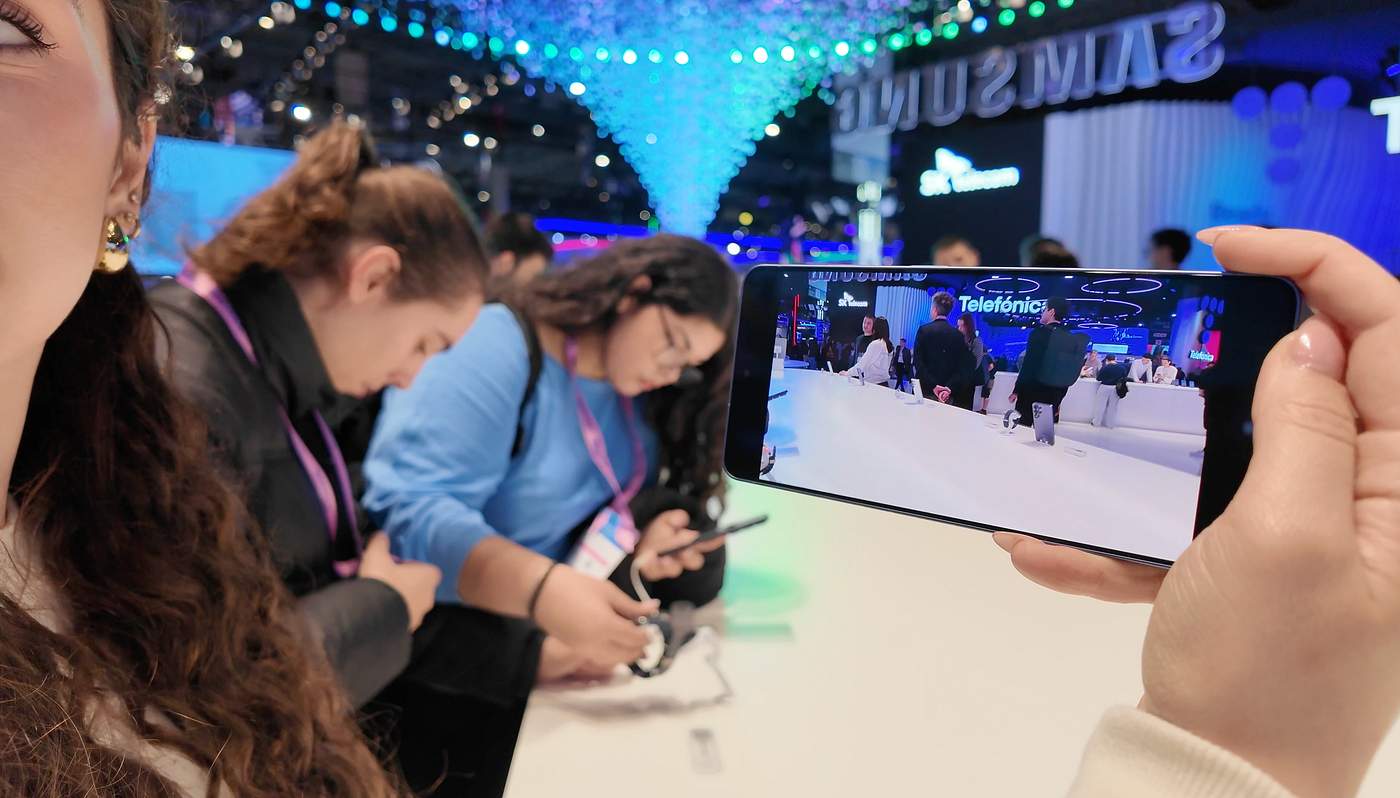
- Vivo: Mobile Imaging (49:17–55:19) Vivo demonstrates the Vivo Ultra, a smartphone designed for professional video creation, co-developed with SmallRig to bring studio-quality filming capabilities to mobile devices.


VIVO Phones used for Professional Video Recording
- Suse Linux & Infrastructure (55:20–1:00:00) Suse Linux focuses on reliable operating systems for robust network infrastructure.

Conclusion
The trends at MWC highlight a shift toward intelligence at the edge and the vital role of open-source AI models in revolutionizing network management and user experiences.
메타데이터
- post_id
- 3dbca7b9fa16
- slug
- the-future-of-connectivity-after-mwc-2026-3dbca7b9fa16
- url
- https://medium.com/techedtv/the-future-of-connectivity-after-mwc-2026-3dbca7b9fa16
- canonical_url
- https://medium.com/techedtv/the-future-of-connectivity-after-mwc-2026-3dbca7b9fa16
- author_url
- https://medium.com/@edwinhm
- status
- ok
- fetched_at
- 2026-06-10 12:26:30