What Should You Check Before Renting a House in Tamil Nadu?
Renting your first house in Tamil Nadu is an exciting milestone — but it can quickly turn stressful if you miss critical details. Imagine…
What Should You Check Before Renting a House in Tamil Nadu? A Room-by-Room, Clause-by-Clause Walkthrough for First-Time Tenants.
Renting your first house in Tamil Nadu is an exciting milestone — but it can quickly turn stressful if you miss critical details. Imagine moving into what seems like the perfect home in Chennai or Coimbatore, only to discover hidden water leaks during the first monsoon, unexpected maintenance costs, or disputes over your security deposit.
As a first-time tenant, arming yourself with the right knowledge is essential. This comprehensive **Rental Tips** guide provides an in-depth room-by-room inspection checklist and clause-by-clause breakdown of the rental agreement. Whether you’re a student, young professional, or family relocating, these practical insights will help you rent confidently in Tamil Nadu’s dynamic market.

Platforms like Rentit by Zuntra make discovering verified houses, apartments, and PGs easier than ever with smart matching, but verifying every detail yourself remains crucial for a smooth tenancy.
Why First-Time Tenants in Tamil Nadu Must Be Extra Careful?
Tamil Nadu’s rental landscape is governed primarily by the Tamil Nadu Regulation of Rights and Responsibilities of Landlords and Tenants Act, 2017. This law requires written and registered tenancy agreements, aims to balance interests, and offers protections against unfair practices. Yet many newcomers overlook key checks, leading to disputes over rent hikes, repairs, or evictions.
Understanding local realities — such as monsoon-related structural issues, water supply variations, and high demand in cities like Chennai, Coimbatore, Madurai, and Trichy — helps you avoid common pitfalls. A thorough approach not only safeguards your finances but also ensures long-term peace of mind.
Preparing Before the House Hunt: Essential Documents and Mindset.
Before stepping into any property viewing, gather these:
- Multiple forms of ID (Aadhaar, PAN, passport).
- Income proof and employment letter.
- References from previous landlords (if applicable).
- A basic understanding of fair market rents in your target area.
Approach every viewing with a checklist mindset. Visit during daytime, preferably on a rainy day if possible, to spot leaks. Bring a friend or family member for a second opinion, and always document everything with photos and videos.
Room-by-Room House Inspection Checklist: Leave No Corner Unchecked.
A professional-level inspection is your first line of defense. Spend at least 45–60 minutes per property and note issues in detail.
Exterior and Structural Integrity
Start outside. Examine the building for cracks in walls, foundation issues, or signs of dampness. Check the roofline, drainage systems, and compound walls — critical in Tamil Nadu’s heavy rainfall seasons. Verify water storage tanks for cleanliness and capacity, and test borewell or corporation water supply reliability. Assess security features like gates, lighting, and parking allocation. For apartments, inspect common areas, lifts, and staircases.
Living Room / Hall Area
Focus on walls, ceilings, and flooring. Look for water stains, cracks, peeling paint, or uneven surfaces that could indicate structural problems. Test all windows and doors for smooth operation and secure locks. Check ventilation and natural light — vital for comfort in Tamil Nadu’s climate. Examine electrical points, switches, fans, and lighting fixtures. Plug in a device to test sockets. Scan for signs of pests like termites or rodents.
Kitchen — The Most Used Space
This area sees heavy wear. Run all taps to check water pressure and drainage. Inspect under the sink for leaks or mold. Test gas connections (if provided) and exhaust systems. Examine countertops, cabinets, tiles, and storage spaces for damage. Verify electrical outlets for appliances and ensure proper ventilation to handle cooking heat and humidity.
Bedrooms: Privacy and Comfort Zones
Inspect walls, floors, and ceilings in each bedroom. Test built-in wardrobes, cupboards, and locks. Check ceiling fans, AC points (if any), and window functionality for mosquito protection. Evaluate natural light and privacy from neighboring buildings. Don’t forget to open closets and check for dampness or pest activity.
Bathrooms: Non-Negotiable Hygiene Check
Bathrooms often reveal the true condition of a property. Test showers, taps, flush systems, and drainage thoroughly — slow drains are a frequent issue. Look for mold, loose tiles, leaking seals, or faulty geysers. Check exhaust fans and ensure proper hot/cold water supply. Verify fixtures are secure and functional.
Balconies, Utility Areas, and Overall Systems
If available, inspect balconies for sturdy railings and drainage. Check electrical meter readings, circuit breakers, and earthing. Note water pump functionality and any backup systems. Test smoke detectors if installed. Finally, walk around the entire property one more time to catch overlooked details.
**Pro Tip:** Create a shared digital checklist or use your phone’s note app during the visit. Immediately email findings to the landlord or agent and request written confirmation on repairs before proceeding.
Clause-by-Clause Rental Agreement Review: Your Legal Shield.
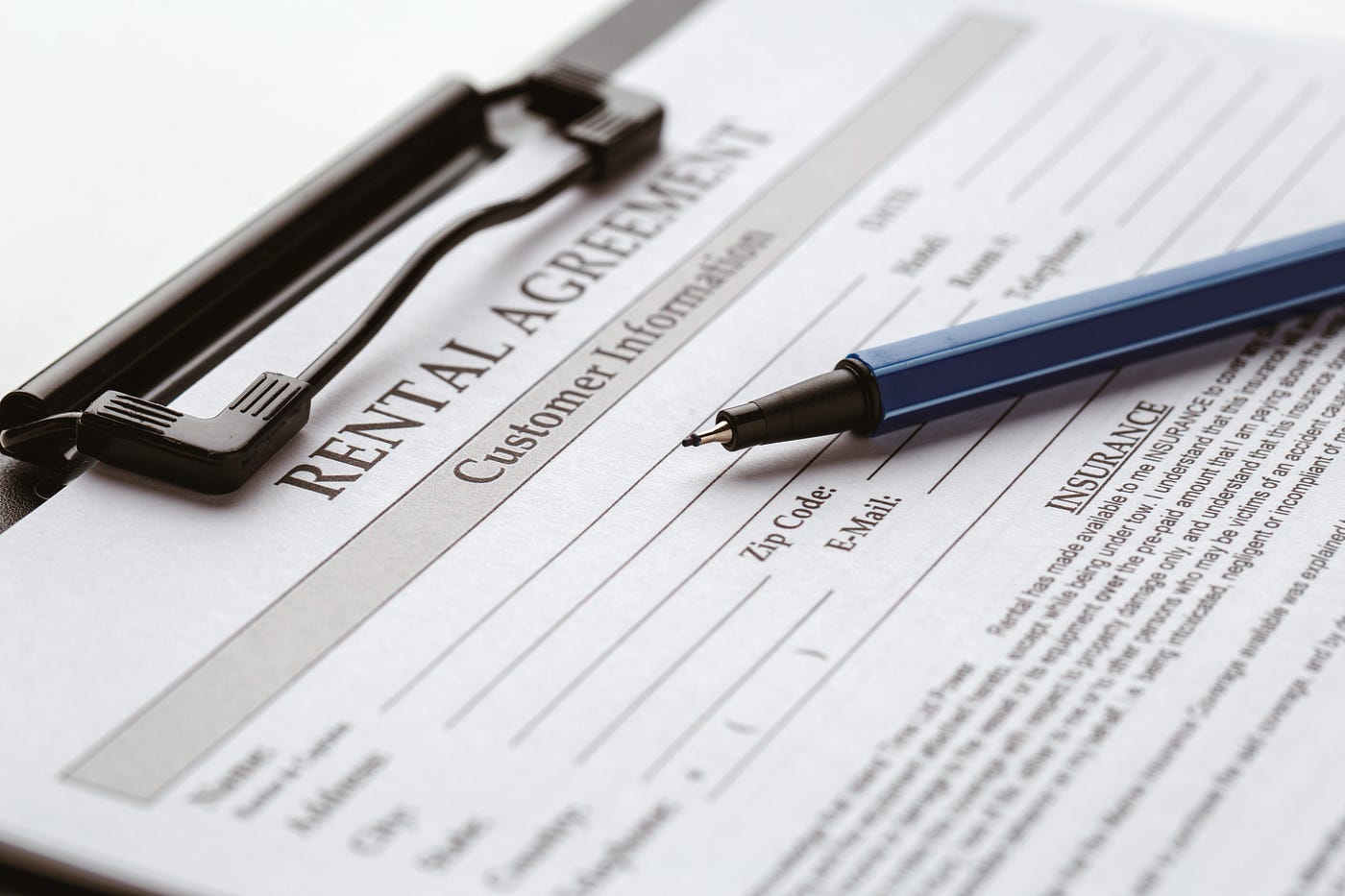
Never sign anything without reading every line. Insist on a properly registered agreement as mandated by Tamil Nadu law.
1.Parties and Property Details
Ensure full names, addresses, and ID proofs of both parties are accurate. The property description must include exact address, measurements, and fixtures.
2.Tenure, Lock-in, and Notice Period
Clarify the rental duration (commonly 11 months), minimum lock-in period, and notice required for termination (usually 1–2 months). Avoid excessively long lock-ins without flexibility.
3.Rent, Security Deposit, and Payment Terms
Document the exact monthly rent, due date, late payment penalties, and acceptable payment methods. Security deposit is typically 2–3 months’ rent — confirm refund conditions, timeline (usually within 30–45 days of vacating), and allowable deductions. Negotiate clear rent escalation clauses (e.g., 5–10% annually).
4.Maintenance and Repairs Responsibilities
Specify who handles what. Landlords generally cover major structural repairs, plumbing, and electrical issues; tenants manage day-to-day upkeep. Clarify painting schedules and appliance maintenance.
5.Utilities, Amenities, and Inclusions
List what’s covered in the rent (water, electricity, maintenance charges, parking). Define billing responsibilities for excess usage.
6.Rules and Restrictions
Cover subletting, guests, pets, alterations, smoking, and noise policies. Get everything in writing to prevent future conflicts.
7.Termination, Eviction, and Dispute Resolution
Understand grounds for early termination and the preferred dispute resolution mechanism (ideally through the Rent Authority for faster outcomes).
8.Inventory and Condition Report
Attach a detailed list of all items with photos of the property’s condition at move-in. This is crucial for security deposit recovery.
9.Additional Clauses
Look for police verification requirements, registration details, and force majeure provisions.
Red Flags to Watch :Vague language, one-sided penalties, pressure to skip registration, or missing signatures.
Additional Expert Tips for First-Time Tenants in Tamil Nadu.
- Verify property ownership documents and previous utility bills.
- Check neighborhood safety, water scarcity patterns, and proximity to transport, markets, and hospitals.
- Budget comprehensively: Include brokerage (often one month’s rent), shifting costs, and initial deposits.
- Consider seasonal factors like festival-related rent adjustments.
- Build a good relationship with the landlord while protecting your rights.
How Rentit by Zuntra Simplifies Your Rental Journey?
In today’s digital age, tools like the **Rentit app by Zuntra** transform the search process. With intelligent recommendations for PGs, residential houses, apartments, and even commercial spaces, you can filter by budget, location, and lifestyle needs. Verified listings and direct owner connections reduce middlemen hassles and improve transparency.
Conclusion: Rent Smart, Live Peacefully
Renting a house in Tamil Nadu doesn’t have to be overwhelming. By following this detailed room-by-room inspection and clause-by-clause agreement review, first-time tenants can confidently secure a comfortable and legally protected home.
Take your time, document everything, and prioritize transparency. A well-chosen rental becomes the foundation for new beginnings in your career or studies.
**Ready to explore verified rental options across Tamil Nadu? Download the [Rentit app by Zuntra** ](https://www.zuntra.com/rentit)today and discover your perfect space with smart, personalized matching.
If you found this guide helpful, please like, share, and subscribe to our blog for more practical Rental Tips, legal insights, and trending real estate updates. Drop your questions or personal rental experiences in the comments below — we’d love to hear from you and feature common challenges in future posts!
메타데이터
- post_id
- 3dcc6110a76d
- slug
- what-should-you-check-before-renting-a-house-in-tamil-nadu-3dcc6110a76d
- url
- https://medium.com/@info_11602/what-should-you-check-before-renting-a-house-in-tamil-nadu-3dcc6110a76d
- canonical_url
- https://medium.com/@info_11602/what-should-you-check-before-renting-a-house-in-tamil-nadu-3dcc6110a76d
- author_url
- https://medium.com/@info_11602
- status
- ok
- fetched_at
- 2026-07-16 15:25:30