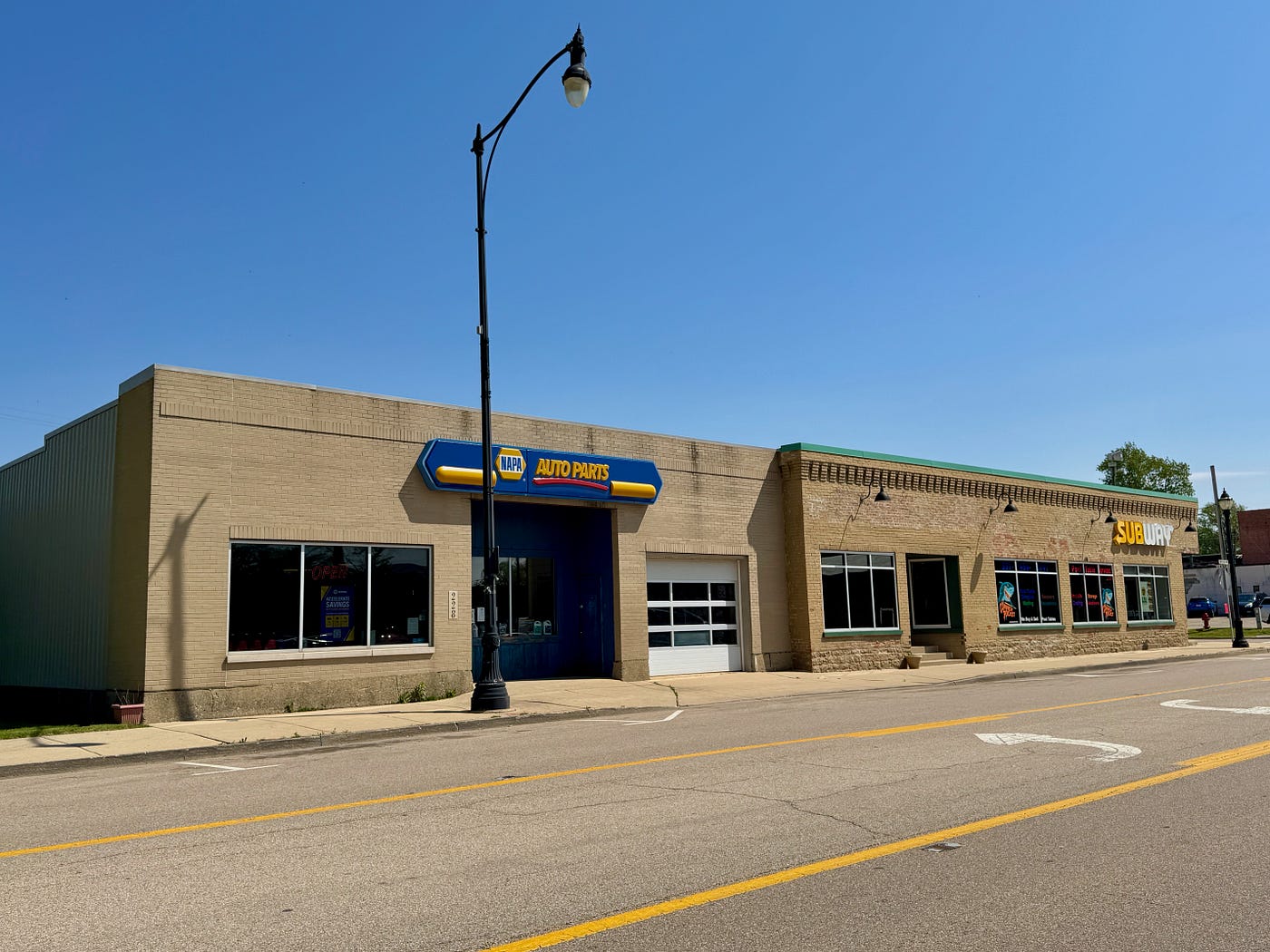
Leaning Into What Makes You Different: Rural Heritage as a Development Tool
Every small town is unique. Where the suburbs seem to have a chain store on every corner, and big cities live in their own little worlds…
Leaning Into What Makes You Different: Rural Heritage as a Development Tool

Every small town is unique. Where the suburbs seem to have a chain store on every corner, and big cities live in their own little worlds, no two small towns are going to be exactly the same.
They may have grown larger then smaller. They may be typical farm towns or company towns, college towns or tourist traps. Yet in any pattern, your small town is going to have a different set of bones and muscles and brains than any body else.
That’s your rural cultural heritage-it’s not nostalgia; it’s strategy.
And building on what you do differently than anybody else is one way any small town can differentiate itself in the sameness of modern sprawl, with practical, resilient, and future-oriented action.
Here’s a couple of ideas to work with.
- Culture as Core Resilience Infrastructure: Culture is not an add-on to development. It’s basic infrastructure for local identity, sustainability, and economic opportunity. As one study puts it, “cultural heritage supports the building of a community able to prevent, cope with and recover” from whatever might come along. Culture is how we have learned to adapt to the place we call home.
- Preservation as Adaptive-not Nostalgic-Strategy: I take a broad definition of cultural and historic preservation, not as freezing a building in amber, but rather reusing and reinterpreting historic resources through time. Adapting traditions and heritage sites to contemporary needs can be a win-win if we resist the plastic of make-believe and lean-into authenticity.
- Community-led, Participatory Stewardship: Rural heritage seems to work best when our friends and neighbors own it. Here in David City, Nebraska, for example, the Bone Creek Museum of Agrarian Art came out of the dreams of local residents, in support of a national artist born and raised here. The new facility took a lot of outside funding, but it is built on the love of the local community. Public participation is the most durable basis for heritage works, and for resilience itself.
- Place Made Concrete: Land, Buildings, and Art: To work in a small town or rural community, the abstract ideas of “heritage” must be grounded in concrete expressions of place-traditional land-use systems, local foods and crafts, open spaces and environmental heritage, historic structures and vernacular architecture. The power of place is expressed in how people live on and with the land, how they reshape old buildings, and how artists interpret local life.
The idea of cultural heritage as a rural economic development strategy may seem fairly abstract. But when you look around your own hometown, cultural heritage can be integrated into planning, tourism, and development as a strategic asset unique to the place you call home.
I wrote a series of long-read blog posts in 2025 on this theme of rural cultural heritage and community resilience, starting with “ Rural Cultural Preservation in American Communities: A Path to Sustainable Growth “.
Originally published at https://jcshepard.com on May 19, 2026.
메타데이터
- post_id
- 3dcee738902b
- slug
- leaning-into-what-makes-you-different-rural-heritage-as-a-development-tool-3dcee738902b
- url
- https://medium.com/small-towns-real-ideas/leaning-into-what-makes-you-different-rural-heritage-as-a-development-tool-3dcee738902b
- canonical_url
- https://medium.com/small-towns-real-ideas/leaning-into-what-makes-you-different-rural-heritage-as-a-development-tool-3dcee738902b
- author_url
- https://medium.com/@jcshepard.aicp
- status
- ok
- fetched_at
- 2026-06-09 15:37:30