Don’t Kill Them All Is the Orc Game That Rewards Restraint Over Rampage
Orcs have a branding problem, and it’s one that fantasy media has spent decades reinforcing. Tolkien made them savage foot soldiers with no…
Don’t Kill Them All Is the Orc Game That Rewards Restraint Over Rampage
Orcs have a branding problem, and it’s one that fantasy media has spent decades reinforcing. Tolkien made them savage foot soldiers with no inner life to speak of. The Elder Scrolls gave them a little more texture but still kept them on the margins, useful muscle at best. Warhammer went the other direction entirely and made them cockney hooligans who exist to fight and not much else. World of Warcraft tried the noble warrior angle, which helped, but the underlying assumption stayed the same: orcs are a vehicle for violence, not characters who might have something going on underneath. Don’t Kill Them All, the new turn-based strategy game from Quebec City studio Fika Productions, takes that assumption and builds an entire mechanical premise out of inverting it.
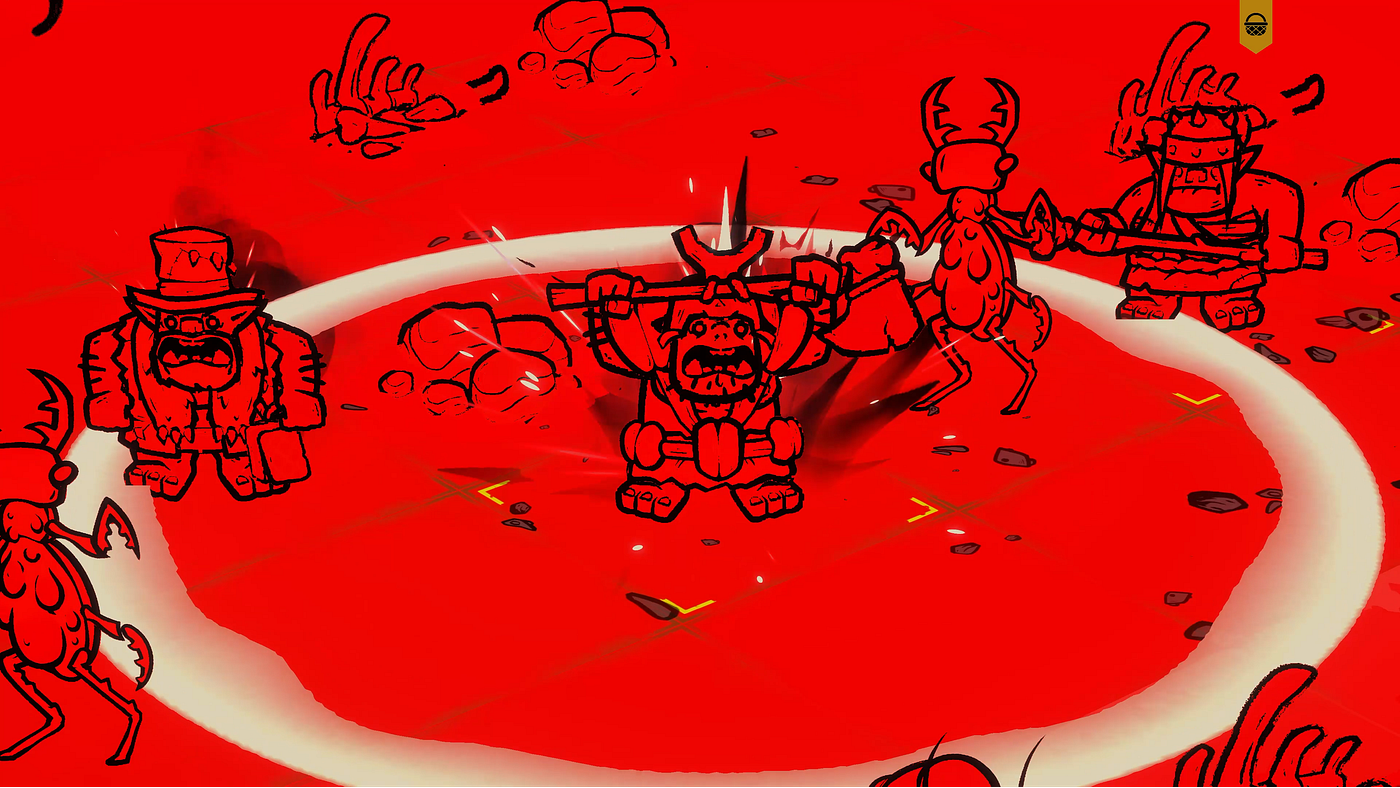
The pitch is simple and a little absurd. Your orcs are broke. They keep going on raids and destroying everything in sight, which means they come home with nothing. As their newly appointed Warchief, your job is to teach them restraint, not because it’s the right thing to do, but because a dead enemy drops no loot. The rage meter that serves as each orc’s health bar fills when they take hits, when resources get destroyed near them, or when they attack too many times in a turn. Fill it completely and they lose control. If every orc on your team hits that point simultaneously, the raid is over and you lose everything you didn’t bank on the way out. The game is called Don’t Kill Them All, and it means it.
A free early demo is available on Steam now, with an updated build coming for Steam Next Fest. Fika has been transparent that this is an early look, rough around some edges, missing some systems entirely.
The Puzzle Hiding Inside the Strategy Game
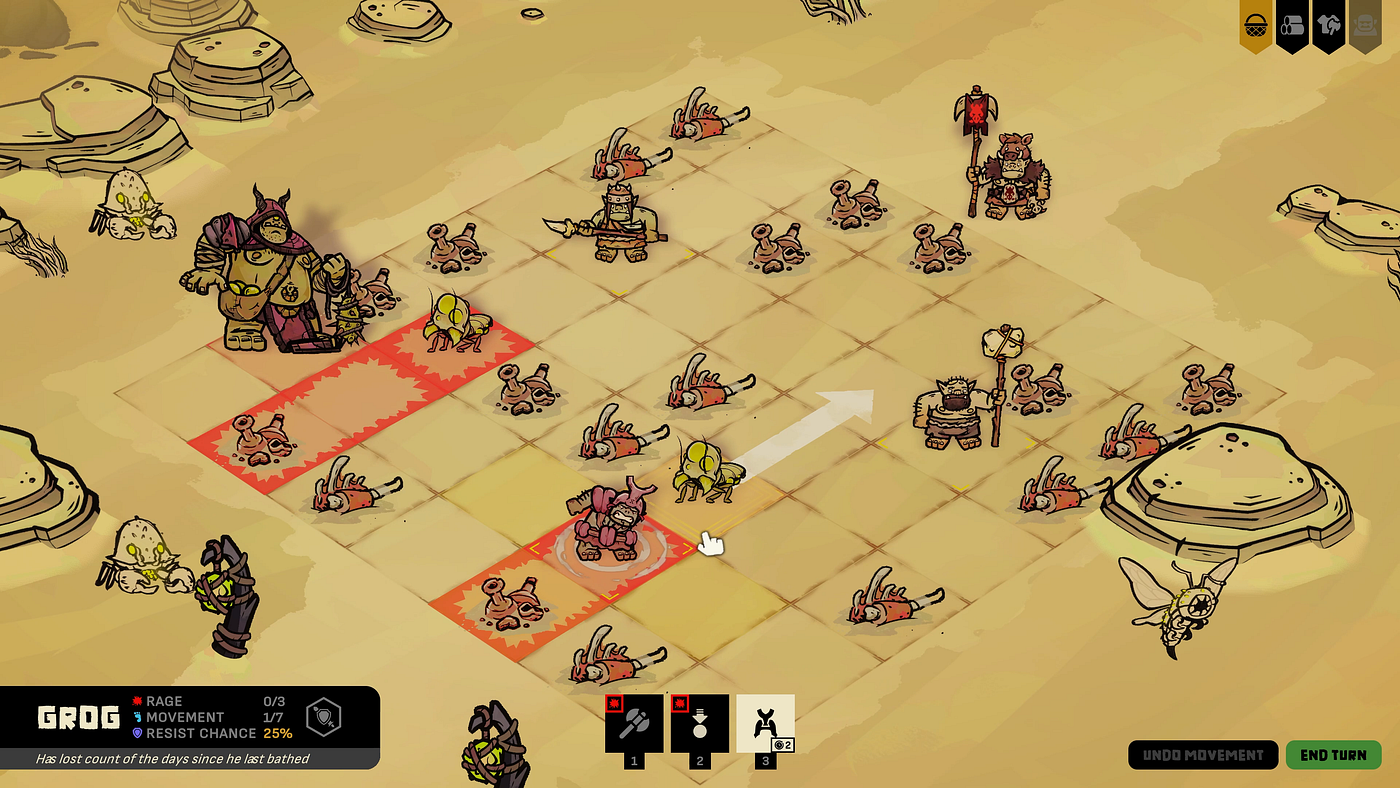
Combat takes place on a grid, with your party of up to four orcs facing off against waves of enemies across procedurally generated environments. Each orc gets a set number of movement points and a selection of actions per turn, and the enemy telegraphs its intentions before moving, so you can see what’s coming and plan around it. That much is familiar territory for anyone who’s spent time with the genre.
There’s a wrinkle though: killing enemies outright isn’t always the right call. Reduce an enemy to one HP and they flee the battlefield, dropping a resource specific to their type along with a goodwill currency that can be spent on mid-raid healing stations. Kill them instead and you get nothing. The game is literally called Don’t Kill Them All, and the resource loop rewards you for taking that title seriously.
What makes the combat work is that almost every action has an area of effect, and those areas don’t discriminate between enemies and the resources you’re trying to collect. A hammer orc can clear two enemies in one swing, but if there’s a pile of wood in the way, that wood is gone too, and every orc on your team gets a little angrier for it. This means the game is constantly asking you to solve a positional problem before you can solve the combat problem. Pushing and pulling enemies away from resources, maneuvering your orcs into angles where their attack shapes don’t catch anything you need, deciding when a little rage is an acceptable trade for a better position: these are the decisions that fill every turn.
The result lands somewhere between strategy game and puzzle game. There’s a real satisfaction in finding the clean solution to a messy board state, moving three pieces in the right order so that everyone ends up where you need them and nothing you wanted to keep gets broken in the process. The early demo has enough enemy variety and map layouts to keep that puzzle feeling fresh across a handful of raids, though one zone is not enough time to know how deep the well actually goes.
Orcs can also spend rage deliberately to take extra actions, which opens up a risk management layer on top of everything else. Sometimes the clean solution doesn’t exist and you have to decide how much anger you’re willing to absorb to get through a wave intact. The mechanic that would end your run if mismanaged becomes a resource you can spend carefully, which is a neat reversal.
Mud Baths and Herbal Tea
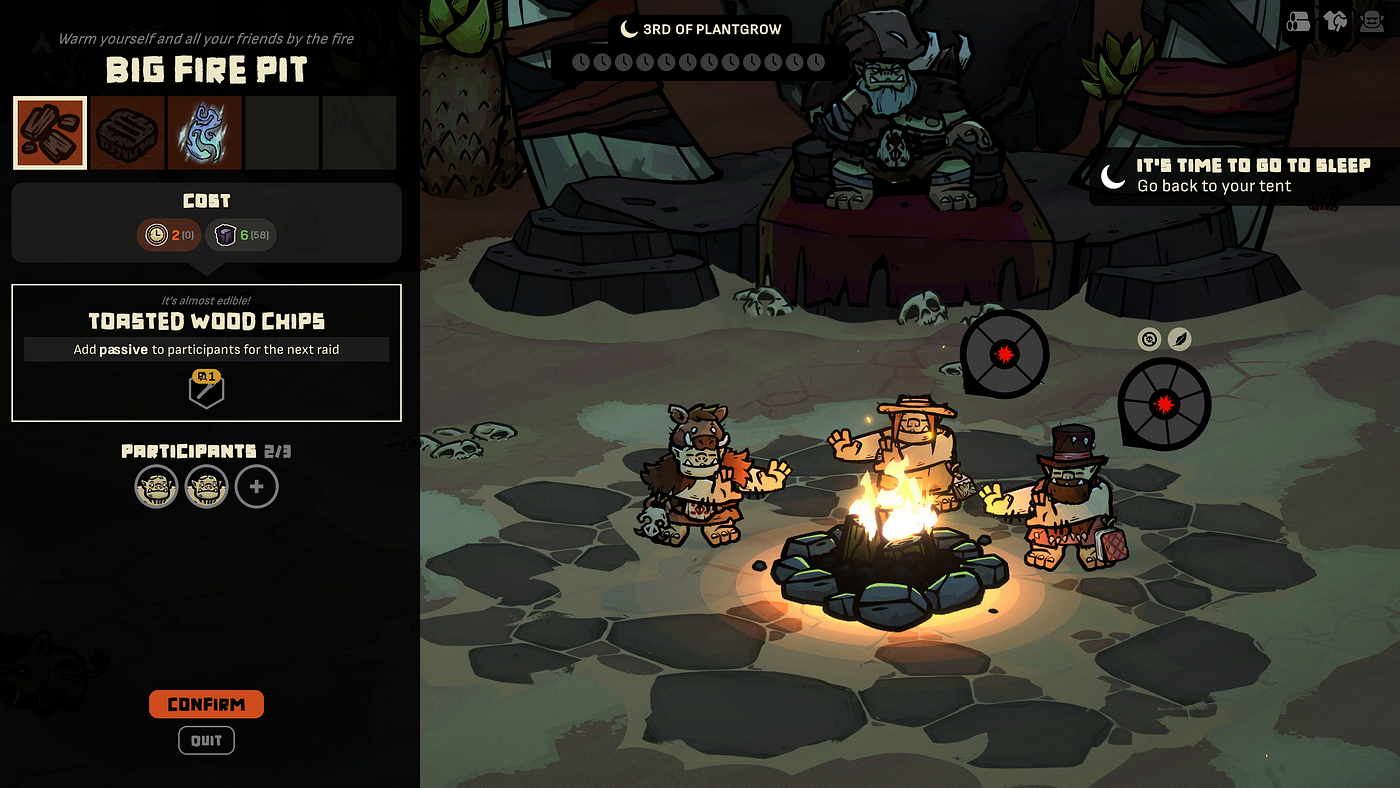
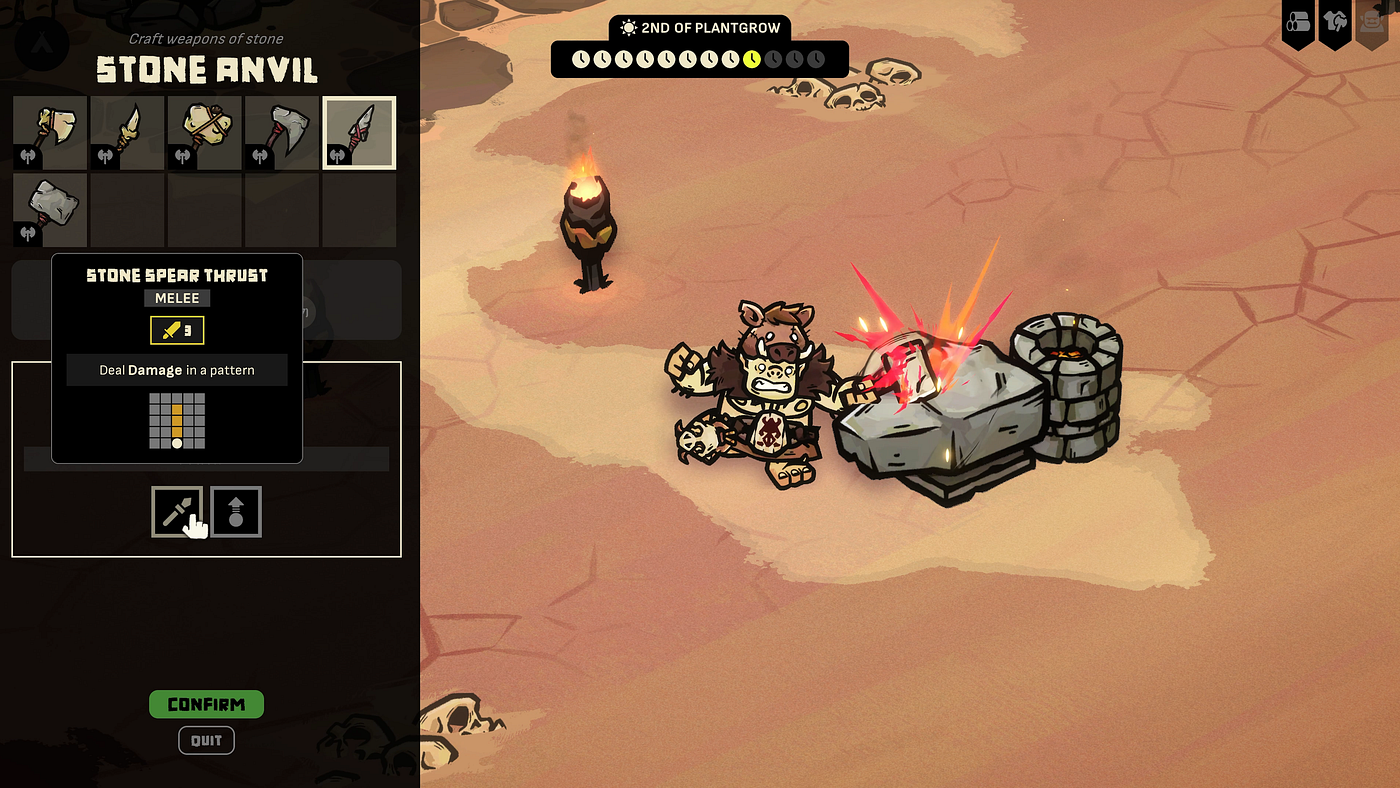
Between raids, you return to camp, and this is where Don’t Kill Them All starts to show how much larger its ambitions are than the demo can currently demonstrate. The camp operates on an Orc Hours system, a daily time budget you spend on crafting, raiding, and using the various stations that dot your base. A day might start with eight hours: raiding costs four, running a mud bath to calm your orcs costs one or two, and whatever’s left goes toward crafting before you sleep. When you’re short on resources but need to upgrade before the next raid, that budget gets tight fast.
The crafting loop feeds directly into combat. Better weapons change the shape of your attack patterns, which changes how you approach positioning on the grid. Different consumables give you options mid-fight for managing rage or adding actions in a pinch. The gear your orcs are wearing going into a raid determines what tools you have available when things get complicated, and things always get complicated.
What the demo shows of the camp is functional and charming, but it’s clearly the skeleton of something more involved. The Kickstarter materials describe a full passion and bond system where individual orcs develop hobbies, form relationships with each other that unlock combat synergies, and express personality traits that surface through play rather than being assigned upfront. Very little of that is present in the early demo, which is fine for a first look but means the camp currently reads as a crafting screen with personality rather than the character-driven hub it’s clearly meant to become.
The Shape of a Bigger Game
Fika Productions made Ship of Fools in 2022, a co-op seafaring roguelite published by Team17 that earned them a reputation for games with strong mechanical identity and a lot of personality. Don’t Kill Them All is self-published, backed by a Kickstarter campaign that raised just under CA$139,000 from roughly 2,000 backers, and is targeting Early Access in Fall 2026.
Fika has been open about the demo being an iterative release, updated throughout the year in response to player feedback, and the early build reflects that honestly. The demo’s art style, which draws a clear line to Don’t Starve in its thick black outlines and hand-drawn textures, is already well-realized and carries a lot of the game’s tone on its own. The writing in the camp dialogue has a dry, understated humor that fits the premise without overselling it. The Warlord threatening your head in one breath and complaining about his bad back in the next is exactly the register this game should be in.
What the demo can’t tell you yet is whether the full passion and bond system will give individual orcs enough personality to make you care about the team you’ve assembled, or whether the procedural raid environments will stay interesting across a full campaign. Those are the questions that will determine whether Don’t Kill Them All is good for a weekend or something you come back to for months. The early demo makes a reasonable case that Fika knows what kind of game they’re building. Fall 2026 is when we find out if they built it.
메타데이터
- post_id
- 3ddd7fa6a399
- slug
- dont-kill-them-all-is-the-orc-game-that-rewards-restraint-over-rampage-3ddd7fa6a399
- url
- https://medium.com/@spencer2457/dont-kill-them-all-is-the-orc-game-that-rewards-restraint-over-rampage-3ddd7fa6a399
- canonical_url
- https://medium.com/@spencer2457/dont-kill-them-all-is-the-orc-game-that-rewards-restraint-over-rampage-3ddd7fa6a399
- author_url
- https://medium.com/@spencer2457
- status
- ok
- fetched_at
- 2026-06-26 03:39:16