Freelancing in Photojournalism as a Matter of Choice
The landscape in which media workers operate everyday has undergone significant changes last decade. Financial priorities of news…
Freelancing in Photojournalism as a Matter of Choice

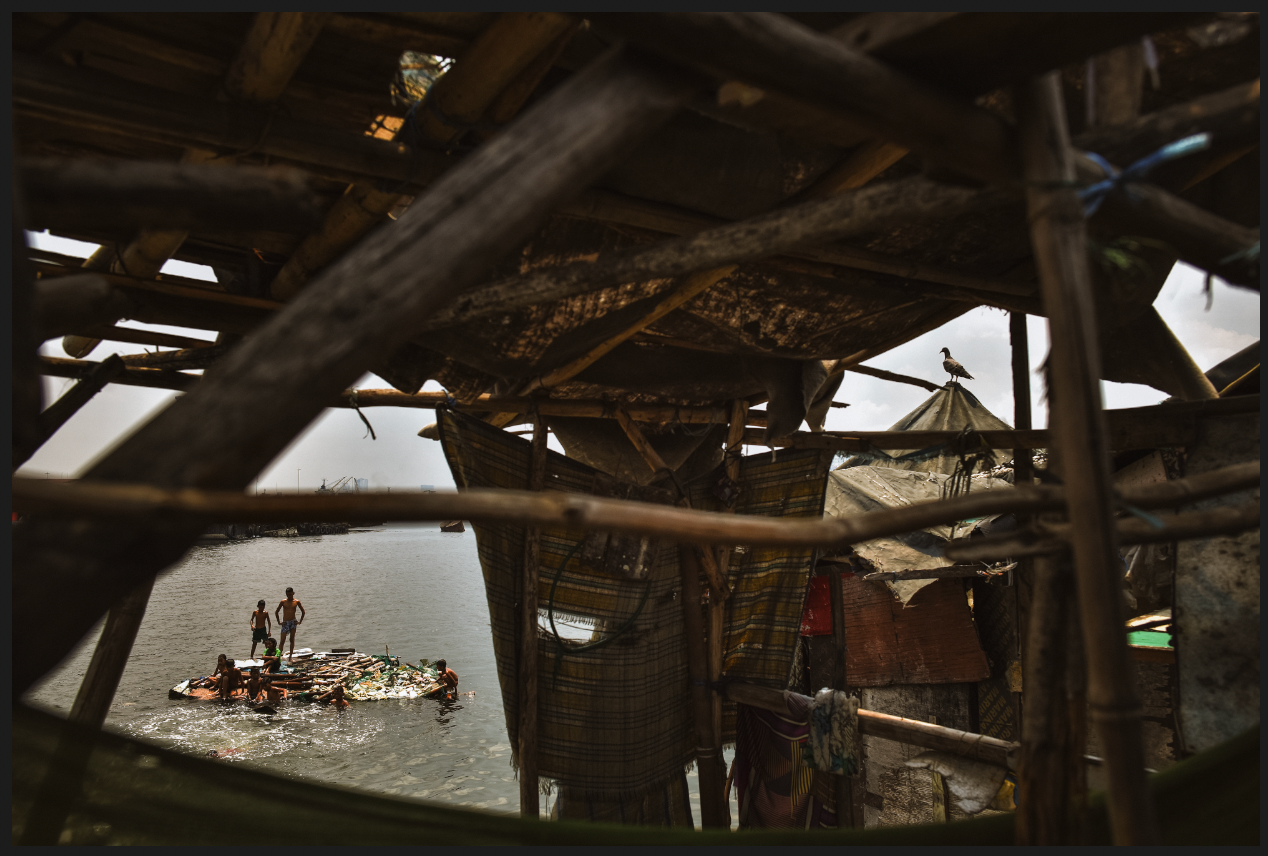
© Jes Aznar
The landscape in which media workers operate everyday has undergone significant changes last decade. Financial priorities of news businesses have shifted significantly and we see a ballooning number of media workers being laid off. Today we see a steady rise in numbers of media practitioners who are now currently working as freelancers or on a contractual basis, without any support or backing of a media company or institution.
In the Philippines, the rise of social media and “citizen journalism” gave existing news outfits a taste of unique and free flowing content without the need for compensation. Citizen journalism could have been an opportunity for the media industry to inform the public better about journalism but news organizations saw it as a source of free content. The lack of emphasis on the rigors, journalistic processes, and ethical standards that journalists uphold in their work resulted in less favorable outcomes for journalism.
After working with the wires until 2009, I have chosen to work independently. It may sound and look scary at first, but freelancing in the journalism industry is nothing new and has its own benefits. Even before the global economic crunch and the mass layoffs of 2015, many journalists and photojournalists around the world have been working independently by choice and have been successful.
Katherine Reynolds Lewis wrote a short essay in Nieman Reports on the importance of freelancing in the current journalism industry. Although the current industry trend where newsrooms have been shaken by financial cuts and drawbacks leading to mass downsizing or folding up up of newsrooms, she also laments on the current stereotypical thinking of people in the industry about freelancing work:
“For many employed journalists who have never met a successful independent journalist, “freelancing” sounds like code for unemployed. So often, people assume that anyone who freelances must not be able to hack it in a newsroom or is secretly looking for a “real” job. As a full-time independent journalist since 2008, I actively affirm my choice of this career every Nov. 7 — the anniversary of when Newhouse News Service closed its Washington bureau and I lost my job as a national correspondent. I earn more now than I ever did while employed in a newsroom, enjoy control over my schedule, and write about topics…”
As for me, I have listed here some positive points that may appeal to those who are planning to work independently. It can also serve as a guide to make freelancing work for you.
-
Editorial independence — This is the most important factor that you should consider in working as a freelancer. Working independently gives you the privilege of choosing and pitching stories that are important for you.
-
Independent journalism means more unique stories that reaches new audiences
-
Favorable contracts and work setup — Working independently means you have the freedom to choose quality news outfits that are less oppressive in terms of work setup, and those who give importance to what you do. Read your contract and do not be afraid to highlight and point out items that are questionable.
-
Financial flexibility — With the freedom to choose multiple quality media outlets to work with, you are not limiting yourself to only one source of income.
-
More freedom to do advocacy work — Working full-time in a corporate setup also means you are restrained by corporate rules including prohibition to unionize. Working independently gives you more freedom to work on your advocacies like press freedom and better working conditions. Although not deemed as photojournalism work, working with non-profits like the U.N. can be an additional source of income as well as an opportunity to learn more of the social and economic conditions of people on the ground.
-
Developing a discipline that favors your well-being and the quality of your work — Working independently means you develop self-discipline in terms of your physical and mental health, financial management, and work ethics, without managers or supervisors to mind your every move. The benefits of figuring and working things out for yourself outweigh those in a corporate setting.
It may look too easy, but keep in mind that you should be able to maintain a high level of quality in your work. You will have a hard time negotiating favorable terms without leverage. Your leverage could be the quality of your work. Working as a freelancer does not mean less work for you.
Freelancing doesn’t mean less work; rather, it’s an opportunity to work harder and enhance your journalistic output’s quality for the benefit of the reading public.
Independently working in journalism offers a unique perspective unburdened by editorial or corporate constraints. This wider view enhances your ability to find and develop stories that are unique, important, and underreported, allowing for a more ethically sound approach. Moreover, you have the freedom to be on the ground because you are not working on a leash or in a rush. You will truly understand your story and this sets your approach apart.
Lastly, note that being a freelancer doesn’t mean you should be on your own. Joining a union or guild is vital to address concerns that freelancers face such as low or no payment, zero protection and health insurance, lack of logistical means and exploitation. Locally, you can join organizations like the National Union of Journalists of the Philippines and the freelancer’s guild that they are currently setting up, the Foreign Correspondents Association of the Philippines who are now also seeing a rising number of freelancers in their roster of foreign correspondents.
Freelancers without the backing of financially stable news outfits can also pool resources and access online and local media organizations’ training opportunities, grants, and resources.
Globally, freelancers working together have achieved favorable rates, improved working conditions, and better copyright contracts. While certain reputable news outlets respect freelancers and their concerns, remember that, in the current corporate and economic conditions, no news organization will offer benefits without you asking them. Addressing and asserting all issues and concerns and fighting for our rights remains essential.
메타데이터
- post_id
- 3de4f88dd96a
- slug
- freelancing-in-photojournalism-as-a-matter-of-choice-3de4f88dd96a
- url
- https://medium.com/@jeszmann/freelancing-in-photojournalism-as-a-matter-of-choice-3de4f88dd96a
- canonical_url
- https://medium.com/@jeszmann/freelancing-in-photojournalism-as-a-matter-of-choice-3de4f88dd96a
- author_url
- https://medium.com/@jeszmann
- status
- ok
- fetched_at
- 2026-06-09 15:37:30