The Morning Nairobi Didnt Care
by Dorcas
The Morning Nairobi Didnt Care
by Dorcas
That morning smelled different.
I noticed it the way you only notice things when you’re scared — sharply, uselessly. The kind of smell that doesn’t have a name but your body knows it. The sky was doing that thing where it’s technically bright but hasn’t committed to daylight yet. Half-hearted. Like it too wasn’t sure about the day ahead.
My stomach had opinions. Urgent ones.
The washroom question arrived before I was fully dressed: go now, or wait? Simple question. Impossible answer. If I went, I might miss the next bus. If I waited, my body would make the decision for me somewhere between home and town — loudly, publicly, in ways I refused to imagine. I stood at the stage running numbers I had no business running at that hour. Me. A finance student. Undone not by derivatives or balance sheets but by the precise location of the nearest public toilet.
I waited. Told my stomach to be patient. It was not convinced.
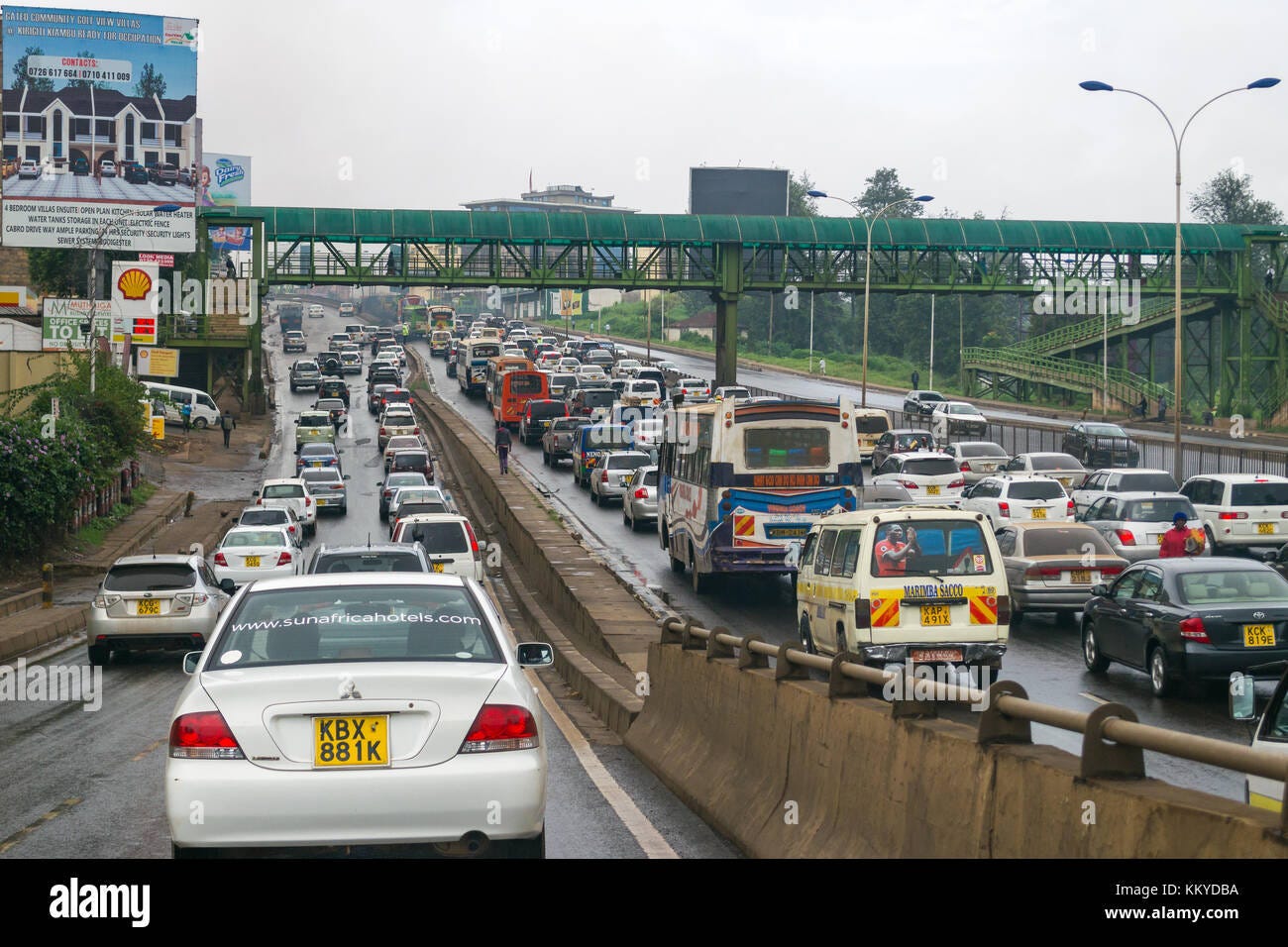
The thing about living far is that distance isn’t just distance. It’s a whole mathematics. Ubers didn’t reach us — not then, not in those days when the algorithm looked at our road and quietly gave up. Boda bodas were brave but not that brave; they were built for last miles, not long ones. The matatu was the only answer, and the matatu, as always, had its own relationship with time.
So I stood. And I waited. And the anxiety that had been sitting politely in my chest since I woke up started pacing.
I didn’t need Jogoo Road specifically. I didn’t need Mombasa Road specifically. I just needed one of them to deliver me a bus going towards town, because town was the turning point. Town was where options opened up like a hand unclenching. From town I could figure out the rest. From town I was no longer at the mercy of geography. Town was salvation. I just had to get there first.
The bus came. Eventually. The way they always do — without apology, without explanation, as if time is a suggestion they considered and politely declined.
I got on. Found a seat by the window. Watched my neighbourhood disappear behind me and felt, for one brief moment, like maybe I would make it.
I did not make it.
The traffic on that road had no interest in my exam timetable. It moved the way Nairobi traffic moves when it has truly decided to humble you — not fast enough to feel like progress, not slow enough to justify getting out and walking. Just that particular crawl that makes you watch the clock on your phone and then put it face-down because watching makes it worse.
I ran the numbers the way I’d been taught — if we leave this jam in ten minutes, and the next matatu from town takes fifteen, and I run from the stage — but you can not spreadsheet your way out of Nairobi traffic. I know that now.
My phone buzzed. My mother. I let it ring.
She had warned me. She had said, unaishi mbali, unafaa kutoka mapema ujipange which is translated to “you live too far, you need to leave earlier, you need to plan better.” She wasn’t wrong. She is rarely wrong, which is its own kind of exhausting. But that morning I didn’t have space for being wrong. I was too busy bargaining with a traffic jam that could not hear me.
I arrived late.
The door was closed the way exam doors are closed — not just shut but decided. I knocked anyway. I don’t know why. Hope, maybe, or just the need to do something with my hand.
There’s a particular expression on an invigilator’s face when they look at you through that small window and you understand immediately that no explanation will be sufficient. Not distance. Not traffic. Not the mathematics of living far from town in a city that was not built with you in mind.
I stood in that corridor for a long time.
The floor was cold. The fluorescent light above me buzzed at a frequency specifically designed to make you feel your failures more acutely. Somewhere inside that room, my classmates were writing. Turning pages. Moving on.
I was not moving on.
Here is what nobody tells you about missing an exam: the worst part isn’t the grade. The grade comes later, cold and administrative, something to be dealt with. The worst part is the walk back. The long, quiet journey in reverse — town to stage, stage to bus, bus back to the neighbourhood that Uber forgot — with nothing to do but sit with yourself and the smell of a morning that had already made its decision about you.
I found a washroom in town. Finally.
Small mercies.
My parents had rules. The exam had rules. The traffic had no rules at all, and that, I think, is the whole story. We build our lives around systems — timetables, routes, expectations, the correct roads to take — and then one morning the city reminds you that it was never really designed to get you where you need to go.
I retook the exam. I passed.
But I still think about that morning sometimes. The smell of it. The washroom question. The way I stood at the gate running numbers like any of it was mathematics I could solve.
It wasn’t.
Some mornings are just like that — unbothered by your plans, unimpressed by your anxiety, utterly indifferent to how much you needed things to go right.
The matatu came when it came. If i knew i would be late, couldnt have gone to school — I could have just lied like our government and provided a medical report.
메타데이터
- post_id
- 3e2cd4cabee4
- slug
- the-morning-nairobi-didnt-care-3e2cd4cabee4
- url
- https://medium.com/@munjirudorcas365/the-morning-nairobi-didnt-care-3e2cd4cabee4
- canonical_url
- https://medium.com/@munjirudorcas365/the-morning-nairobi-didnt-care-3e2cd4cabee4
- author_url
- https://medium.com/@munjirudorcas365
- status
- ok
- fetched_at
- 2026-06-15 20:49:13




