3.8 Billion Voices, One Digital Battlefield.
At the centre of all of this is something deeply human. The need to belong, be seen, and matter.
3.8 Billion Voices, One Digital Battlefield.
At the centre of all of this is something deeply human. The need to belong, be seen, and matter.
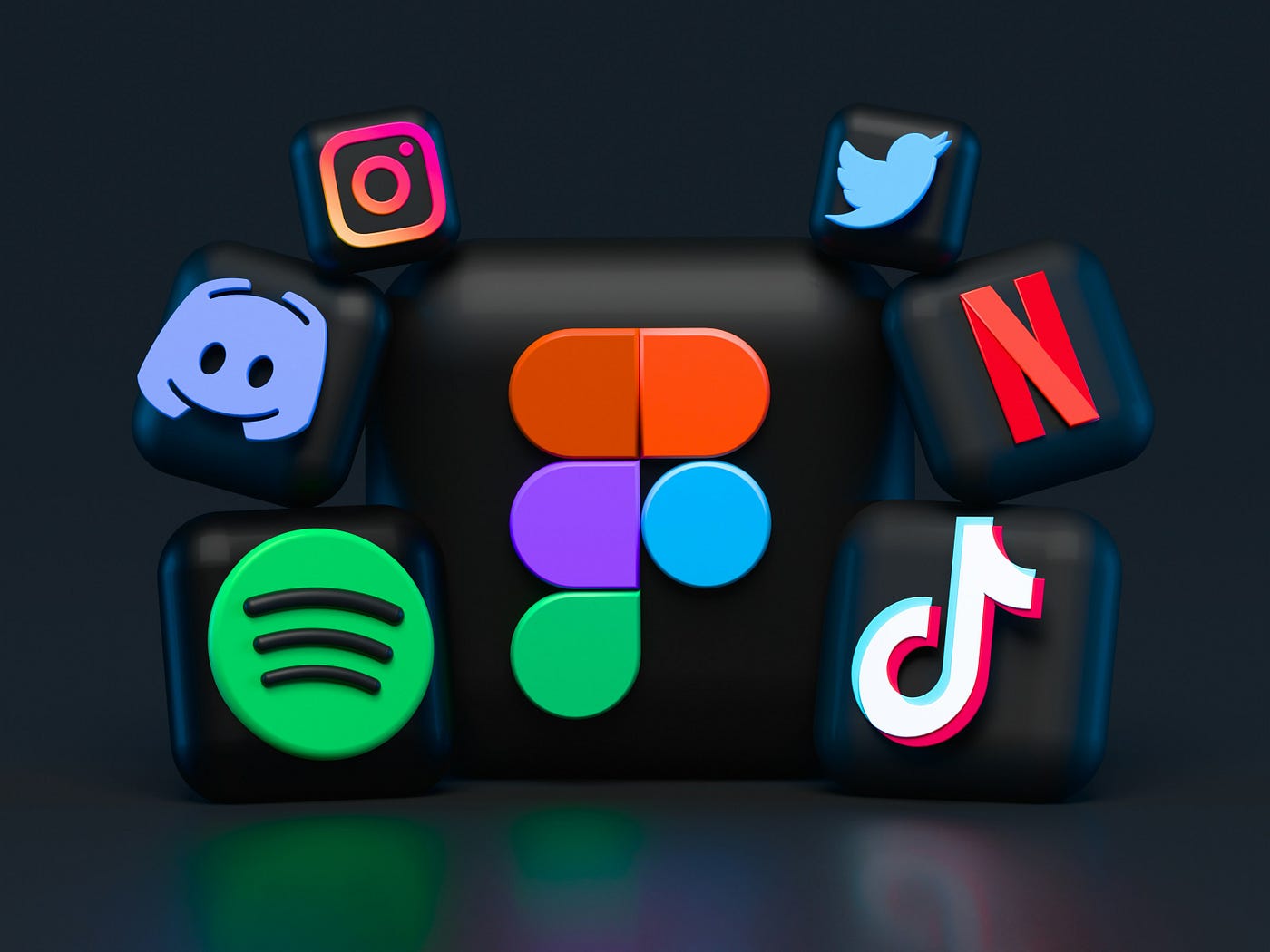
Image credit Alexander Shatov — Unsplash
The rise of influence, activism, and the fight for narrative control
There are now billions of smartphones in circulation worldwide. Let that land for a moment. Nearly half the world is walking around with access to information, influence, and connection in their pocket.
At the same time, billions of people are active across social media platforms, consuming content at a relentless pace. Every scroll, click, and pause is being tracked, shaped, and fed back to us through algorithms designed to hold our attention. This is engineered.
So, we need to be mindful. Not just of what we consume, but what we contribute. At this level of connection, social media doesn’t just reflect culture; it shapes it.
It has the power to influence how we think, what we believe, and ultimately how we act. Dividing opinion just as quickly as it can unify people around a common cause. And when it is used with intent, it becomes one of the most powerful tools for social change we have ever seen.
Social change is not a buzzword. It is the slow and often uncomfortable shift in how societies think, behave, and organise themselves. Living in our relationships, institutions, and the unwritten rules that govern everyday life. Over time, these patterns either reinforce inequality or challenge it.
At the centre of all of this is something deeply human. The need to belong, be seen, and matter.
We are shaped by our environments, experiences, and the stories we tell ourselves about who we are and where we fit. These stories are not fixed. They evolve as we move through life, as we encounter new people, ideas, and realities.
And when enough people begin to question the same system, something shifts. That’s where social movements are born.
Change begins with people who recognise injustice and choose to speak. Movements grow from common struggles, shared hardships, and a collective hope for improvement. What has changed is the speed and scale at which those voices can now travel.
There was a time when mobilising people required access to platforms that were tightly controlled. Broadcast media, print, and public speaking circuits acted as gatekeepers. Messages could be filtered, delayed, or completely shut down depending on who held the power.
That world no longer exists in the same way.
Today, a single voice with a smartphone can reach millions. Not because they have permission, but because they have conviction.
We have seen this play out time and time again. Issues that were once ignored or buried are now being brought into the light by ordinary people who refuse to look away. Conversations that would have taken years to build momentum can now erupt in a matter of hours.
This is not accidental. It is the result of social capital being built and deployed in real time.
Networks, relationships, and communities are forming around shared values. People are finding their tribe without needing physical proximity. They are aligning, organising, and amplifying each other’s voices in ways that were not possible before.
And yet, this power comes with tension.
Because the same tools that can mobilise for justice can also be used to misinform, divide, and disrupt. Hidden profiles, coordinated attacks, and algorithmic bias can distort reality and fracture movements from within.
Social media is not neutral. It is a contested space.
But even within that tension, its ability to drive awareness and spark action is undeniable. We have already seen how individuals can leverage their platform to influence policy, shift public opinion, and hold power to account. What was once reserved for those in positions of authority is now accessible to those with clarity of message and the courage to speak. And this is where the responsibility sits.
Because having a voice is one thing. Using it with purpose is another.
We are living in a time of instant reaction. Outrage can trend within minutes, and just as quickly, it can disappear. Real change does not operate on that timeline. It requires consistency, patience, and a level of discipline that goes beyond the moment.
It asks more of us. From individual expression to collective impact.
The reality is, most people will scroll, react, and move on. Life takes over. Responsibilities pull focus. The urgency fades. But there is always a small group who stay with it. Who organise, build, and continue long after the spotlight has moved on.
Those are the people who change things.
Because social change has never been about a single moment. It is the accumulation of thousands, sometimes millions, of actions that align at the right time and place. What social media has done is accelerate that alignment. It has given grassroots movements the ability to amplify their message without needing large budgets or institutional backing.
Messages recorded in a bedroom can now reach across continents within minutes. A story told with honesty and clarity can resonate with people who have never met but feel the same truth. That is power.
But power without direction is noise.
If you are serious about using social media to drive change, then intention matters. Clarity matters. Understanding why you are speaking and who you are speaking to matters. People connect with authenticity. They respond to truth and follow those who are not just talking but living what they stand for.
You don’t need perfect delivery or polished production. What you need is conviction.
When that is present, people feel it. And when people feel it, they move. Movements are not built on perfection. They are built on participation. What starts with one voice can quickly become a message that can evolve into a mission. And when that mission is shared, it has the potential to reshape not just conversations, but systems.
We are no longer waiting for permission to be heard. The tools, access, and opportunity are here. The question is whether we are prepared to use it with purpose. Because in a world where everyone has a platform, those who understand how to use their voice strategically will not just be heard.
They will be followed. And those who are followed have the power to change what comes next.
If this challenged your thinking, you’re exactly who I write for. Go deeper into the ideas, frameworks, and conversations shaping a new narrative around leadership, lived experience, and influence: https://stan.store/theleadershipwithin
메타데이터
- post_id
- 3e3db56f463f
- slug
- 3-8-billion-voices-one-digital-battlefield-3e3db56f463f
- url
- https://medium.com/@michmc1/3-8-billion-voices-one-digital-battlefield-3e3db56f463f
- canonical_url
- https://medium.com/@michmc1/3-8-billion-voices-one-digital-battlefield-3e3db56f463f
- author_url
- https://medium.com/@michmc1
- status
- ok
- fetched_at
- 2026-06-09 15:37:30