The Most Personal Film Ever Made — And Why It’s About You Too
How Tarkovsky’s Mirror exposes the destructive power of nostalgia and the childhood that never really existed
The Most Personal Film Ever Made — And Why It’s About You Too
How Tarkovsky’s Mirror exposes the destructive power of nostalgia and the childhood that never really existed
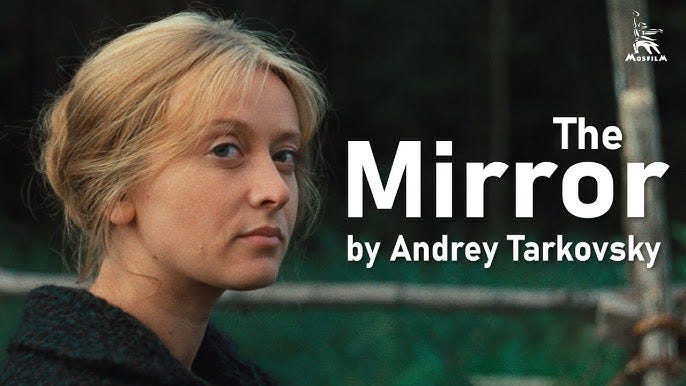
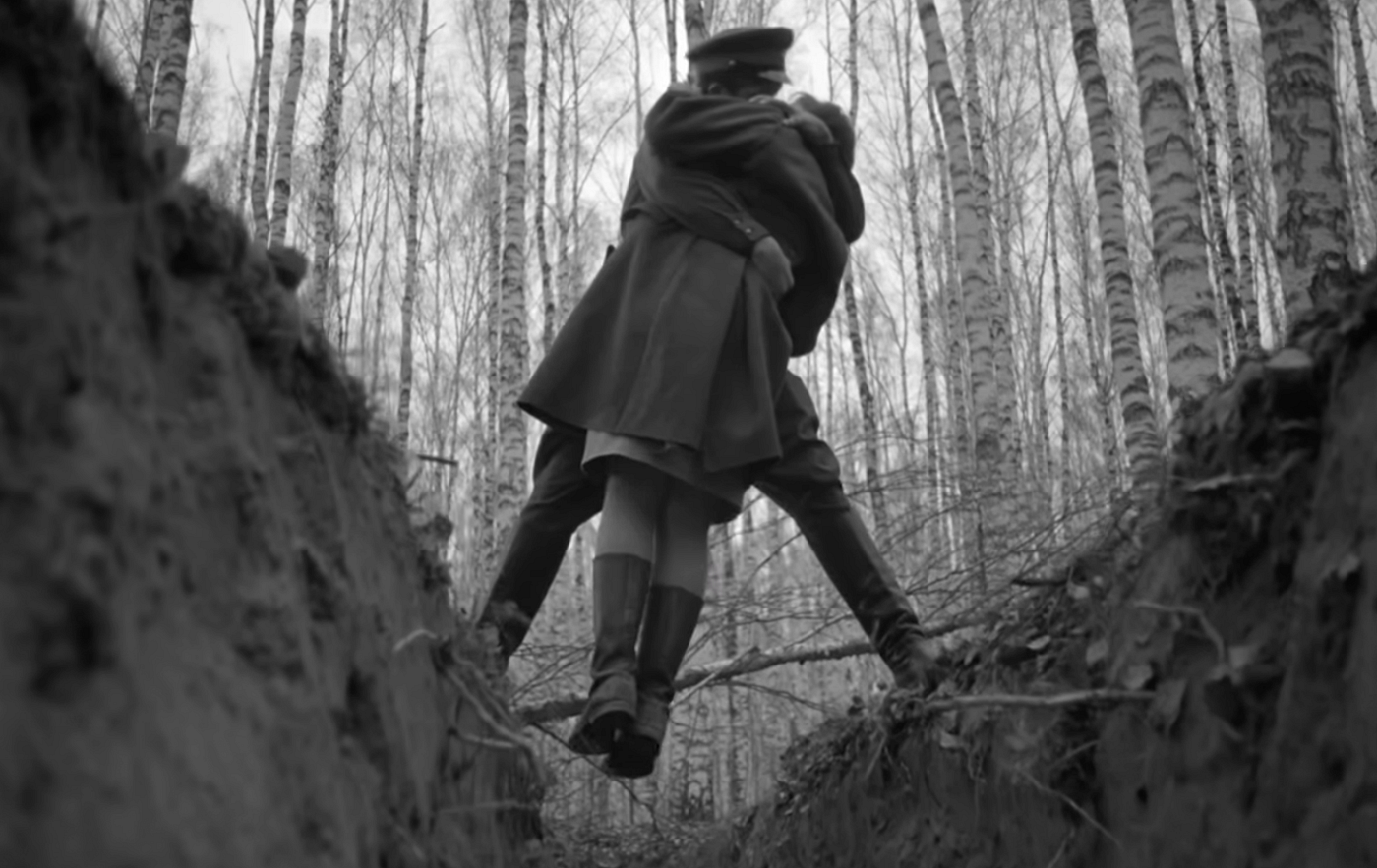
Image: Mirror (1975), dir. Andrei Tarkovsky, Mosfilm
Many of us are trapped in the past. We constantly revisit childhood memories, feel deep nostalgia, and genuinely believe that life was better back then. We convince ourselves that we were happier in the past, happier as children. But we are mistaken. We were not happier then, and Tarkovsky had already shown us why.
In Tarkovsky’s film Mirror, the main character, Alexey, is convinced that his childhood was the brightest and warmest period of his life. He repeatedly dreams of different episodes from his past: his childhood home, his mother, and his sister. Yet every time he returns to these memories, the overwhelming joy of revisiting the past is overshadowed by the fear of waking up.
«And I can’t wait to see this dream, in which I’ll be a child again, and feel happy again because everything will still be ahead, everything will be possible.»
But even these comforting dreams cannot bring color to his present life. He is dissatisfied with nearly every aspect of it. He constantly argues with his wife and can barely speak to her peacefully. He lives apart from his family and rarely sees his son. He grows increasingly distant from his mother and cannot reconcile with her. On top of that, he becomes seriously ill.
Alexey blames everyone around him and longs to return to the past, to a time he believes was happier. But was it really?
Was Alexey Ever Happy?
Looking at the episodes from his childhood, it is difficult to describe them as happy. When Alexey was young, his father left the family forever. In the same year, the hayloft on the farm burned down, and the family struggled financially. His mother appears cold, distant, and emotionally unavailable.
At her workplace, we see her criticized for her independence and accused of avoiding responsibility. Her colleagues suggest that she is partly responsible for her husband’s departure and for the miserable condition of her children.
Nothing about Alexey’s childhood resembles the idyllic paradise he remembers. Yet despite all of this, he continues to believe that he was happy there.
The Past Repeats Itself
Interestingly, Alexey repeatedly tells his wife that she looks exactly like his mother. This is hardly a coincidence, since both characters are played by Margarita Terekhova.
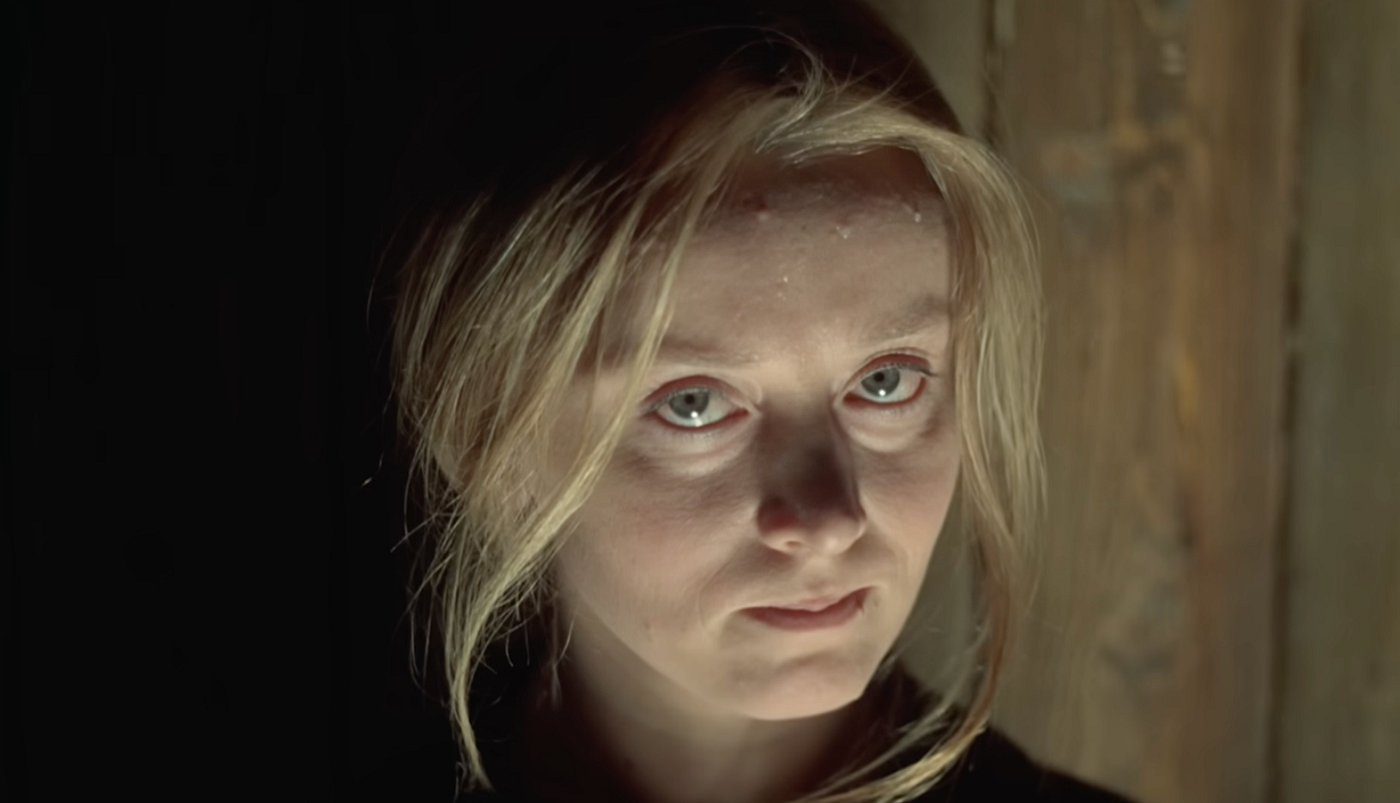
Image: Mirror (1975), dir. Andrei Tarkovsky, Mosfilm
Looking even closer, we notice that Alexey’s son is played by the same actor who portrayed young Alexey. Tarkovsky clearly did not make this choice because he lacked good actors. He is hinting at something much deeper: Alexey’s childhood is repeating itself in his present life.
His family relationships mirror those of his parents. Alexey lives separately from his wife and son, just as his father abandoned the family years earlier. He shows little interest in his son’s life, just as his own father showed little interest in him. He is emotionally distant, reserved, and detached — exactly as his father was.
And Natasha, his wife, becomes a reflection of his mother. She is independent, self-sufficient, emotionally closed off, and disconnected from him.
Alexey’s present is almost identical to his past. Nothing has changed.
Yet paradoxically, he despises his present life while desperately longing to return to his past.
Why?
The Happiness That Never Existed
Because despite having every opportunity to create happiness for himself, he is unable to do so. He was not happy in the past, and he is not happy now. Instead of changing his life, he retreats into dreams of a childhood that he imagines was full of happiness.
Alexey’s tragedy is not that he remembers the past. It is that he remembers a past that never truly existed in the way he imagines it. The childhood he longs for is partly real and partly reconstructed by memory itself.
And this is where Tarkovsky’s story stops being only Alexey’s story and becomes our own.
To cope with his dissatisfaction and despair, Alexey’s mind creates the illusion of a lost paradise — a bright childhood that never existed in reality but feels comforting in memory.
If you think Alexey is completely unaware of this, however, you would be mistaken.
On some level, he understands everything.
That is why he is constantly haunted by guilt and a sense of responsibility toward his family. He realizes that he has become part of the very cycle that wounded him. Whatever his childhood was like, he had every opportunity to change his life. Instead, he repeats the same patterns: distancing himself from his family, neglecting relationships, and longing for a happiness that never existed because his present life has become a copy of his unhappy past.
One could even argue that this is why Alexey dies — not because of his illness alone, but because of the crushing weight of guilt and his inability to escape the patterns that define his life. That was exactly what the doctor said to his wife.
-Do you think a sore throat could have such an after effect?
-A sore throat has nothing to do with it. This is a common case. A mother dies suddenly, then the man’s wife and child. A few days and the man is no more, though he was quite healthy.
-But no one died in his family.
-There’re such things as conscience, memories.
The Memory Trap
And Alexey’s story is far more common than we might think. This phenomenon is called nostalgic idealization of the past or “rosy retrospection” — the cognitive tendency to remember the past as better than it actually was, focusing on positive moments while unconsciously smoothing over negative experiences. When life feels painful in the present, the mind begins searching for a time when things felt better. And if no such period truly existed, memory often creates one.
Rosy retrospection functions as a psychological filter. It provides comfort, a sense of continuity, and emotional stability. It is often triggered by loneliness, uncertainty, or a desire for safety.
A child may experience loneliness, anxiety, neglect, or a lack of love. Yet decades later, that same person remembers summer vacations, favorite cartoons, and feelings of warmth and security. The painful details fade away, leaving only selected fragments behind.
At the same time, a person may gradually realize that they are contributing to their own suffering. They avoid difficult conversations, refuse to solve problems, struggle to build healthy relationships, and unconsciously recreate old patterns from childhood.
That realization produces guilt.
Yet change is frightening because many people do not know how to live differently from what they experienced growing up. And so the mind chooses the easiest solution: retreating into memory.
This creates a vicious cycle:
- Reality feels painful.
- The past becomes idealized.
- The person avoids changing the present.
- The present grows worse.
- Guilt increases.
- The desire to escape into the past becomes even stronger.
The most tragic part is that people can spend years mourning the loss of a happy childhood that never actually existed.
The only way out of this cycle is to stop living in the past and begin building happiness in the present. It requires recognizing the destructive patterns inherited from childhood and refusing to repeat them.
When Art Becomes Autobiography
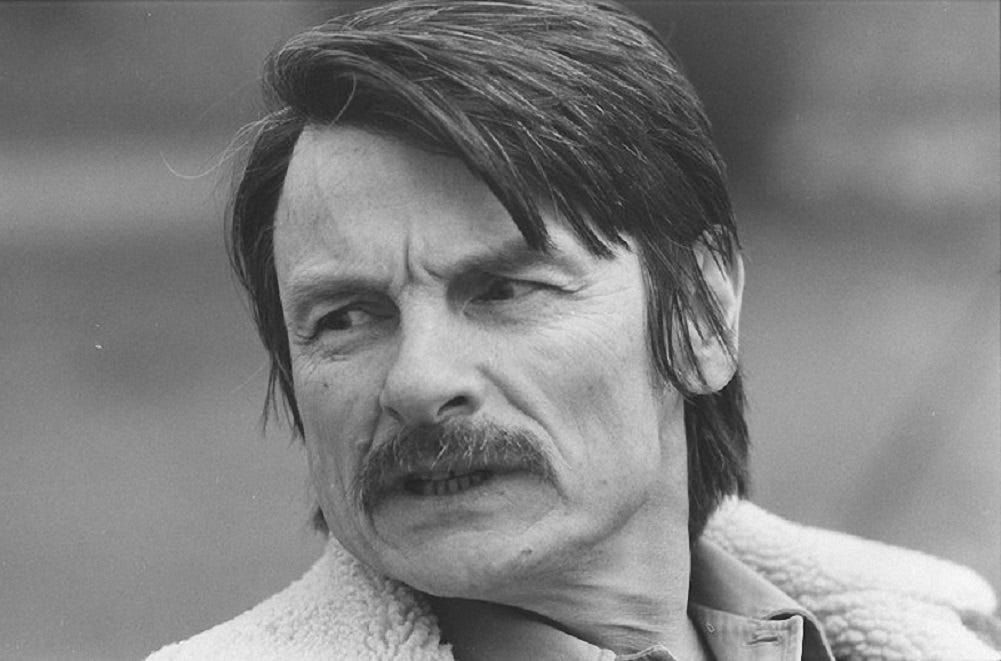
Source: Wikimedia Commons
But how did Tarkovsky manage to create a film that feels so deeply familiar to so many people?
Because Mirror was almost entirely autobiographical.
This becomes obvious simply by looking at the cast.
Alexey’s father is voiced by Tarkovsky’s real father, Arseny Tarkovsky, and all of the poems heard throughout the film were written and read by him.
The elderly mother seen at the end of the film is played by Tarkovsky’s real mother, Maria Vishnyakova. Moreover, they share the same name.
Alexey’s sister Marina shares the name of Tarkovsky’s real sister, Marina Tarkovskaya.
The doctor in the final scene is played by the film’s co-writer, Aleksandr Misharin.
Maria’s countryside neighbor is portrayed by Larisa Tarkovskaya, Tarkovsky’s wife.
As many viewers have noticed, the adult Alexey’s face is never shown on screen. However, at the end of the movie, as Alexey is dying, his body is briefly glimpsed. And obviously, those short seconds of an arm releasing the bird were performed by Tarkovsky himself. With this final gesture, he seems to confirm that Mirror is not simply inspired by his life — it is his life.
And that is hardly surprising.
Tarkovsky’s relationship with his family was difficult and deeply contradictory. His parents divorced when he was only three years old, and his father left the family. The experience became one of the defining traumas of his life.
At the same time, Tarkovsky adored his mother. He once said:
“All the best things I have in life… I owe to my mother.”
Later, he married Irma Raush, a woman who resembled his mother in many ways. She became both his wife and his artistic muse, appearing in Ivan’s Childhood and Andrei Rublev.
Yet the marriage eventually collapsed. Tarkovsky admitted that he wanted a degree of devotion that was impossible to sustain.
His second wife, Larisa Kizilova, devoted herself almost entirely to supporting his artistic work. She protected him from everyday concerns and allowed him to focus on filmmaking. Yet their relationship was also marked by conflict, as Tarkovsky often placed his creative ambitions above the needs of his family.
By his own admission, he constantly struggled with guilt for his selfishness and for the suffering of those closest to him. And perhaps this is the most important idea hidden within Mirror.
The film is not ultimately about Tarkovsky’s childhood. It is not even about the hardships of his life.
It is about patterns.
It is about how people spend years searching for a lost happiness that never truly existed, while unknowingly recreating the very circumstances that make them unhappy. And it is about how the past can continue shaping our lives long after it is gone — unless we finally recognize it and choose something different.
메타데이터
- post_id
- 3e8be2560d20
- slug
- the-most-personal-film-ever-made-and-why-its-about-you-too-3e8be2560d20
- url
- https://medium.com/cinemania/the-most-personal-film-ever-made-and-why-its-about-you-too-3e8be2560d20
- canonical_url
- https://medium.com/cinemania/the-most-personal-film-ever-made-and-why-its-about-you-too-3e8be2560d20
- author_url
- https://medium.com/@tanya.yurchenko.23
- status
- ok
- fetched_at
- 2026-06-26 03:39:16