DTF vs. DTG vs. White Toner Printing: Key Differences Explained
In the fast-evolving world of custom apparel printing, new technologies are constantly emerging, offering unique methods for transferring…
DTF vs. DTG vs. White Toner Printing: Key Differences Explained
In the fast-evolving world of custom apparel printing, new technologies are constantly emerging, offering unique methods for transferring designs onto textiles. Whether you’re a seasoned engineer working on precision printing for commercial production, a hobbyist eager to explore new creative avenues, or a small business looking for the best way to print on-demand, understanding the key differences between Direct-to-Film (DTF), Direct-to-Garment (DTG), and White Toner Printing can significantly impact the quality and cost-efficiency of your projects.
Choosing the right printing method is crucial for ensuring the best possible outcome, and with so many options available, it’s easy to feel overwhelmed. In this comprehensive guide, we’ll delve into the details of each printing method, breaking down their technical aspects, advantages, and practical applications. By the end of this article, you’ll not only have a clearer understanding of which method best suits your needs but also see why fast dtf transfer is the perfect partner for high-quality printing supplies and machines. Let’s explore the differences between DTF, DTG, and White Toner Printing to help you make the best decision for your projects.
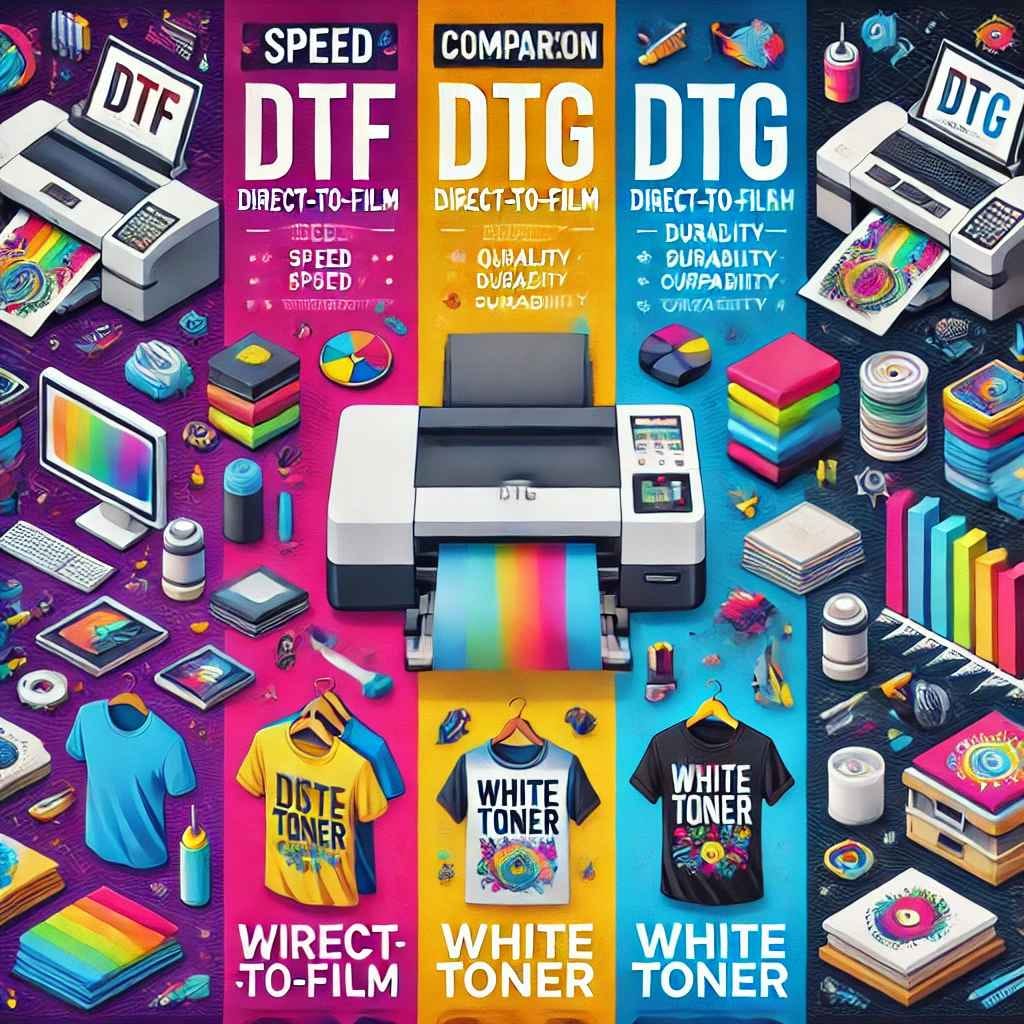
DTF vs. DTG vs. White Toner Printing: Key Differences Explained
What is Direct-to-Film (DTF) Printing?
How DTF Works
Direct-to-Film (DTF) printing is one of the newest technologies to hit the apparel printing industry. Unlike DTG printing, which applies ink directly to a garment, DTF involves printing designs onto a special film which is then transferred onto the fabric using heat and pressure. This method typically uses a DTF printer, DTF film, hot melt powder (for adhesive), and a heat press.
The process starts by printing the design onto the film in reverse order. After printing, the design is coated with a layer of hot melt adhesive powder. The film is then heat-pressed onto the garment, causing the adhesive to melt and bond the design permanently to the fabric.
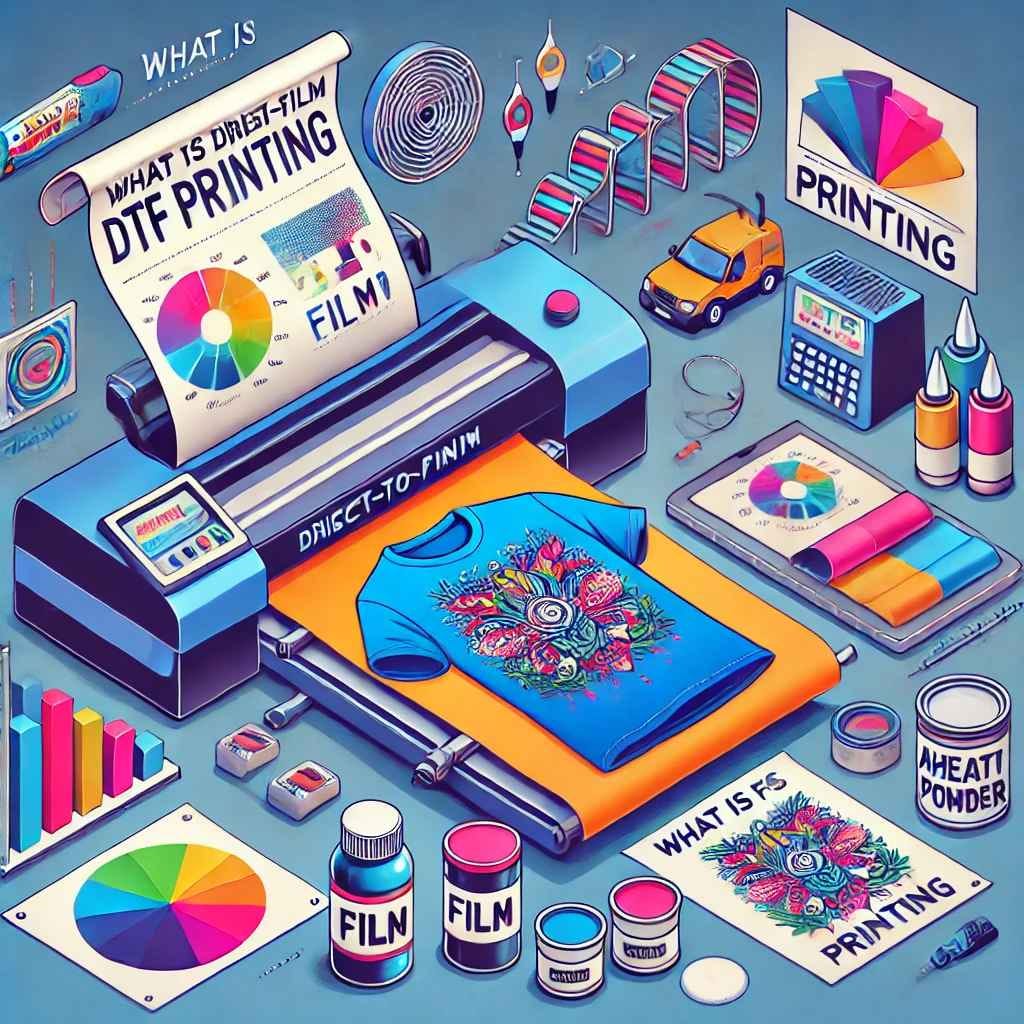
What is Direct-to-Film (DTF) Printing?
Technical Insights
DTF printers work with a specialized set of inks, often including white ink for a solid underbase, which allows designs to pop on both dark and light fabrics. Unlike some other methods, DTF is compatible with a wide variety of fabrics, including cotton, polyester, and blends.
Advantages of DTF Printing
- Versatility: DTF works well on a range of fabric types, making it ideal for customers who need diverse printing options.
- Vivid Colors: With the use of white ink as an underbase, colors remain bright and opaque even on dark materials.
- Durability: DTF prints are highly durable, often outlasting DTG prints when it comes to wash cycles.
- No Pretreatment Needed: Unlike DTG, which requires pretreatment of the garment, DTF skips this step, streamlining the process.
- Economical for Small Runs: Since there’s no need for complex setup or pretreatment, DTF printing can be more cost-effective for short runs of customized garments.

Advantages of DTF Printing
Applications of DTF Printing
- Sportswear: Given its durability, DTF is ideal for printing logos and numbers on sports uniforms.
- Workwear: For industrial uniforms that need to withstand heavy wear and tear, DTF is a reliable option.
- Fashion: Designers can easily create complex, vibrant designs that can be transferred onto various fabric types.
To explore DTF printers, films, and supplies, **click here **and find everything you need to get started with this versatile method.

Applications of DTF Printing
What is Direct-to-Garment (DTG) Printing?
How DTG Works
Direct-to-Garment (DTG) printing is a process where specialized inkjet printers apply water-based inks directly onto textiles, typically cotton or cotton blends. The garment first needs to be pretreated to ensure the ink adheres properly to the fabric and to create a smooth surface for the print. Once pretreated, the garment is placed in the DTG printer where the design is printed directly onto the fabric.
DTG excels at reproducing high-quality, detailed images, making it a popular choice for small custom orders, particularly with intricate or full-color designs. The prints are soft to the touch because the ink is absorbed into the fabric, rather than sitting on top of it.

What is Direct-to-Garment (DTG) Printing?
Technical Insights
DTG printers use water-based inks that are absorbed by the fibers of the garment. The colors are mixed directly in the printer, which allows for an almost limitless range of colors and gradients. However, DTG is best suited for garments with a high percentage of cotton.
Advantages of DTG Printing
- High-Resolution Prints: DTG excels at producing detailed images with smooth gradients and complex color patterns.
- On-Demand Printing: Ideal for short runs, DTG allows for quick turnaround times without setup costs.
- Eco-Friendly: Many DTG inks are water-based and eco-friendly, making this method more sustainable than some traditional techniques.
- Soft Feel: The ink is absorbed by the fabric, resulting in a print that feels soft to the touch, unlike screen printing where ink layers are often thicker.

Advantages of DTG Printing
Applications of DTG Printing
- Custom Apparel: DTG is excellent for printing personalized t-shirts, hoodies, and other apparel for small businesses or individuals.
- E-commerce: DTG is particularly popular in print-on-demand businesses due to its quick setup and ability to handle complex, full-color designs.
- Merchandise for Creators: Artists, influencers, and bands often use DTG to create high-quality merchandise with vibrant, detailed artwork.
For premium DTG printers, inks, and maintenance tools, visit fast dtf transfer and discover the top-rated products trusted by professionals.

Applications of DTG Printing
What is White Toner Printing?
How White Toner Printing Works
White Toner Printing is a unique digital transfer method that utilizes a white toner in addition to the traditional cyan, magenta, yellow, and black (CMYK) toners. This method is especially effective for printing on dark-colored garments, as the white toner acts as a base, allowing the colors to stand out.
The process begins with printing the design onto transfer paper using a white toner laser printer. The design is then heat pressed onto the garment. White toner printing is versatile, allowing transfers not just to fabric, but also to hard surfaces such as wood, metal, and ceramics.

What is White Toner Printing?
Technical Insights
White toner printers offer more flexibility than traditional printers that rely on DTG or DTF methods because they can print on various substrates beyond textiles. The white toner provides a solid base layer, ensuring that colors are vibrant even on dark or non-porous surfaces. It also allows for detailed, high-contrast designs that are durable and resistant to fading.
Advantages of White Toner Printing
- Versatility Across Substrates: Unlike DTG or DTF, white toner printing works on both fabrics and hard surfaces, providing broader applications.
- Vivid Colors on Dark Fabrics: The use of white toner ensures that prints are vibrant, even on dark garments.
- Durability: White toner transfers are highly durable and resistant to fading, even after repeated washes or exposure to the elements.
- No Pretreatment Required: Like DTF, white toner printing does not require any pretreatment, simplifying the process.

Advantages of White Toner Printing
Applications of White Toner Printing
- Hard Surface Printing: White toner printing excels in printing designs onto non-fabric surfaces like mugs, wood, and metal.
- Dark Garments: Ideal for printing intricate designs on dark fabrics where vibrant colors are necessary.
- Custom Gifts: White toner printing allows for customized gifts such as personalized mugs, plaques, and glassware.
Explore white toner printers and supplies available at fast dtf transfer for professional-grade results across multiple substrates.
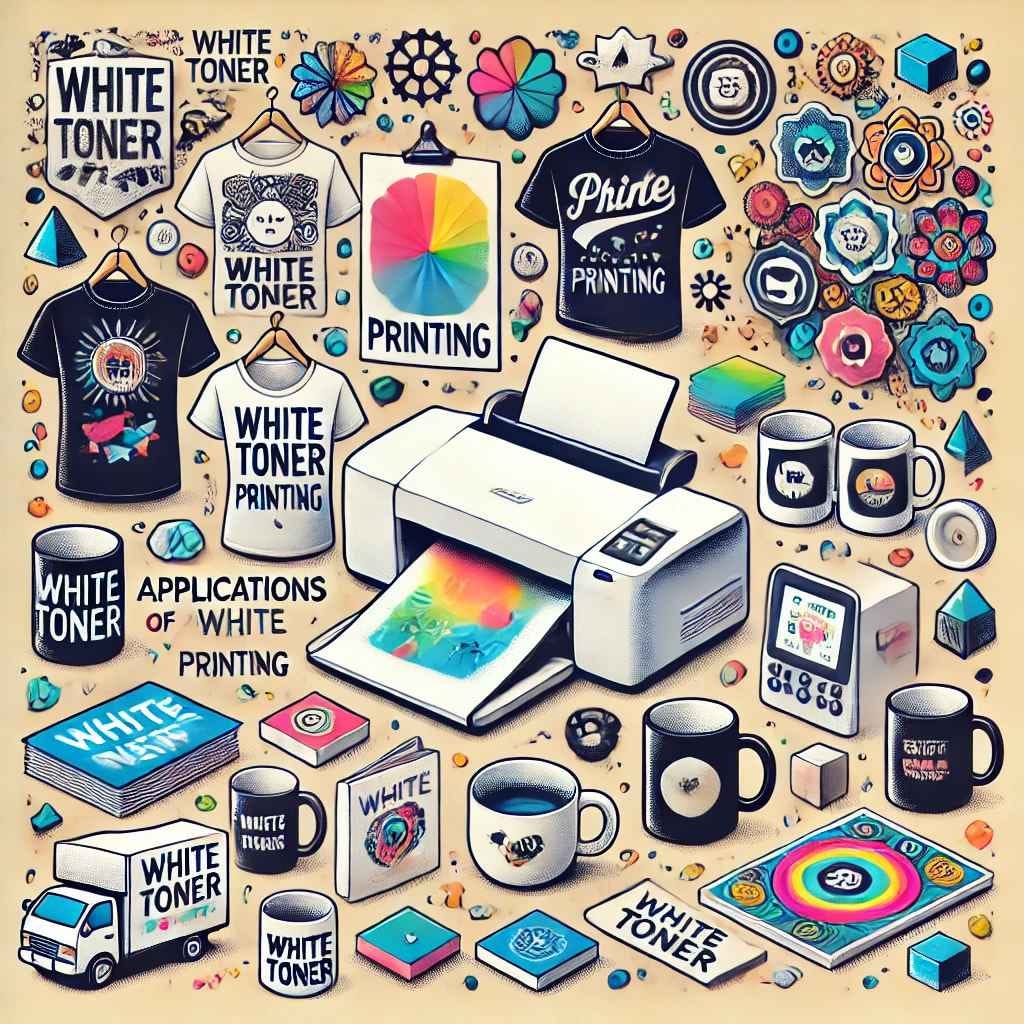
Applications of White Toner Printing
Comparing the Methods: Which One is Right for You?
When deciding between DTF, DTG, and White Toner Printing, the best method for your project will depend on several factors, including the material you’re printing on, the volume of your order, and the specific details of your design.

Comparing the Methods: Which One is Right for You?
DTF: Best for Durability and Versatility
DTF printing is ideal if you’re looking for a versatile printing method that works well on various fabrics and provides high durability. It’s perfect for applications where wash resistance is key, such as sportswear or work uniforms. If you’re printing on a wide range of textiles and need a method that doesn’t require pretreatment, DTF is your go-to.
DTG: Best for High-Detail, Short-Run Customization
DTG printing excels when you need high-resolution, vibrant prints on cotton fabrics, especially for short runs or personalized items. It’s a great choice for print-on-demand businesses, custom apparel shops, and artists looking to create detailed merchandise with intricate designs. However, keep in mind that it is less effective on synthetic fabrics and requires garment pretreatment.
White Toner: Best for Flexibility Across Fabrics and Surfaces
If you want to print not only on fabrics but also on hard surfaces, white toner printing offers unparalleled flexibility. Its ability to produce high-quality prints on dark substrates makes it ideal for custom gift items, promotional products, and hard-to-print surfaces. This method is perfect for businesses offering a diverse range of products, from t-shirts to mugs and signs.
Why Choose fast dtf transfer?
No matter which method you choose, fast dtf transfer has everything you need to produce stunning, high-quality prints that will impress your customers. Here’s why we’re the best choice for your custom printing supplies:
- Wide Selection of Products: From DTF and DTG printers to white toner systems, we offer a comprehensive range of equipment, inks, and supplies to meet your every need.
- High-Quality Standards: We only carry products that meet the highest industry standards, ensuring that you get the best results every time.
- Expert Support: Our team of knowledgeable professionals is here to help you with any questions or technical issues, so you can print with confidence.
- Fast Shipping: We offer fast, reliable shipping worldwide, so you never have to wait long to get your supplies.
- Competitive Prices: We offer the best products at competitive prices, ensuring that you get the most value for your money.
Don’t wait — **click here **to explore our selection of custom t-shirt printing products and take your printing projects to the next level.

Why Choose fast dtf transfer?
Conclusion
Choosing between DTF, DTG, and White Toner Printing depends on your specific needs, from the type of fabric or substrate you’re printing on to the scale and complexity of your designs. Each method offers unique advantages that make it suitable for different applications, whether you’re an engineer working on industrial projects or a hobbyist creating custom t-shirts and gifts.
No matter which method is right for you, fast dtf transfer provides all the equipment, supplies, and support you need to create high-quality custom prints that exceed expectations. **Visit fast dtf transfer today** and start your journey to better printing.
메타데이터
- post_id
- 3edef22536df
- slug
- dtf-vs-dtg-vs-white-toner-printing-key-differences-explained-3edef22536df
- url
- https://medium.com/@melissa.kharter/dtf-vs-dtg-vs-white-toner-printing-key-differences-explained-3edef22536df
- canonical_url
- https://medium.com/@melissa.kharter/dtf-vs-dtg-vs-white-toner-printing-key-differences-explained-3edef22536df
- author_url
- https://medium.com/@melissa.kharter
- status
- ok
- fetched_at
- 2026-06-15 22:55:51