Science and Religion (I): The Morning Prayer
The Faith That Shaped Us
Science and Religion (I): The Morning Prayer
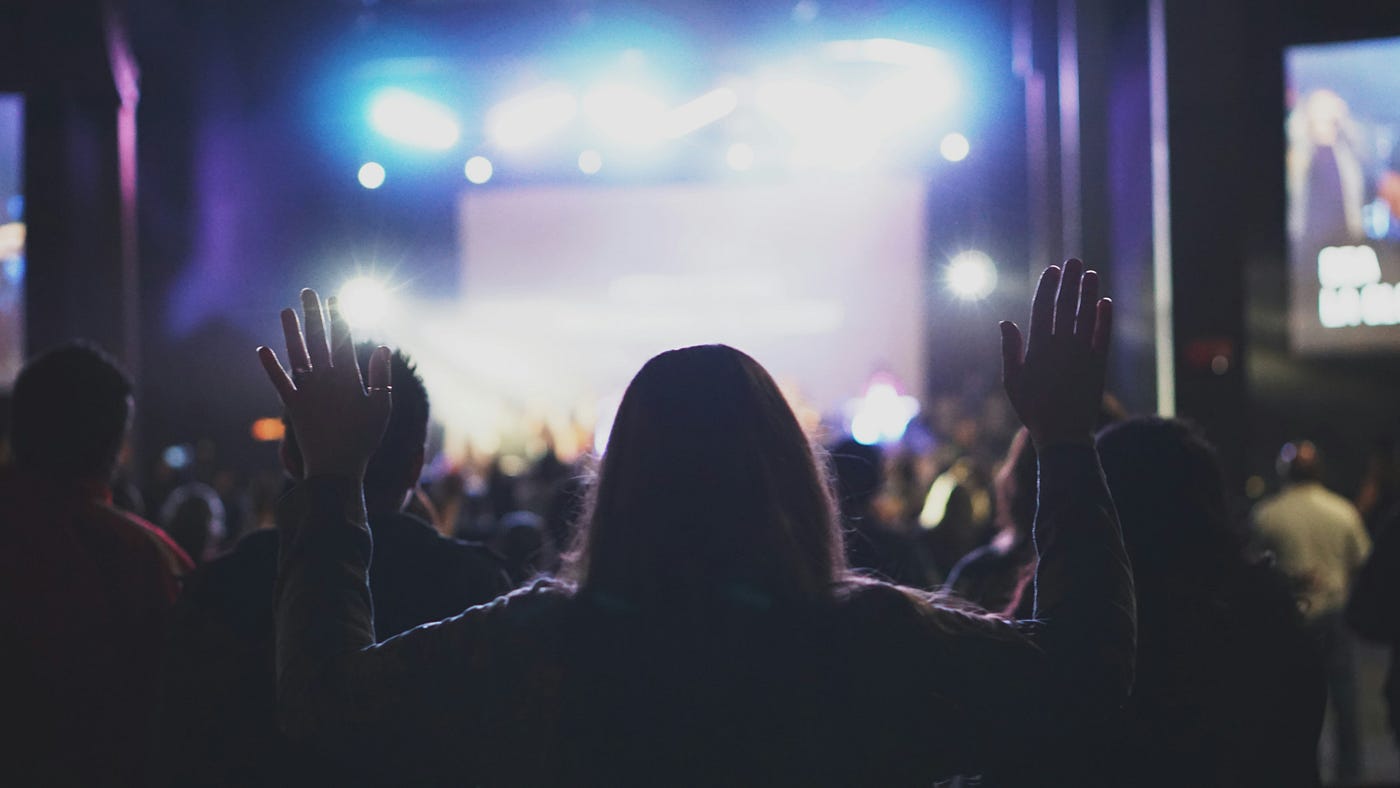
Unsplash
The Faith That Shaped Us
I remember growing up in an African home where, before the sun had fully risen, my parents gathered us to read scripture and pray, declaring God’s promises over our lives with a conviction that left no room for doubt. Isaiah 60:22 was a household favourite: “Keep praying, don’t quit. Miracles happen every day, so never stop believing. God can change things very quickly in your life.”
We believed it completely, and we still do even after years of watching some prayers go unanswered. We grew up on testimonies: of people’s business turned around, some healed after doctors gave up, a neighbour provided for when the cupboard was bare. These weren’t abstract theology. They were lived proof that God was intimately involved in our daily struggles, our provider and protector who would never leave us nor forsake us.
So, we prayed without ceasing, because prayer wasn’t something we did it was who we were. We attended services that ran from morning to evening, gave tithes even when we barely had enough to eat, and trusted our prophets and pastors with an authority we never questioned. Everything was on God schooling, marriage, business, employment, shelter, even the most mundane decisions were all on God. Nothing was too small for His attention, and we believed He loved us too much to let us suffer without purpose.
The Hardwiring of African Spirituality
This wasn’t accidental. It was the deliberate inheritance of generations who had learned to survive through faith and passed that survival strategy down as their most precious gift. We were raised in a world where the spiritual was more real than the physical where poverty, sickness, and delay were not just circumstances but spiritual conditions, and where the solution had to match: prayer, fasting, seed-sowing, all-night vigils, a prophet’s word.
We did everything spiritual. What we did far less of was the practical the planning, the strategy, the financial literacy, the systems-thinking because these things quietly implied a lack of faith, a reliance on human effort over divine power.
The Testimony Economy
We live in what I call the testimony economy: a social and spiritual system built on trading miracle stories to sustain collective hope. Every Sunday someone stands and testifies, and we are lifted convinced our own breakthrough is next.
But here’s what we rarely say out loud: these testimonies are almost always about survival, not abundance. “God provided food” is a testimony of getting by, not of plenty. “God healed my sickness” is mercy, not health as a baseline. “God gave me a job” is relief, not fulfilment. These are real and worth celebrating I’m not dismissing them. But they are also the bare minimum that should be guaranteed to any human being, faithful or not. We celebrate the miracle of food, but not the farmer or the supply chain. We celebrate the miracle of healing, but not the doctor or the hospital. We have become people who celebrate rescue more than responsibility, intervention more than effort and that has consequences for how a nation develops.
The Unspoken Failures
For every answered prayer, there are others that went quiet; people who died despite the vigils, marriages that ended despite the fasting, we don’t testify about these, because they threaten the whole framework: if you prayed and still failed, what does that say about you? Not enough faith? Not enough offering? The theology leaves no room for unanswered prayer and no category for the faithful who still suffer. So, we absorb the blame ourselves, and keep praying because we were never given another way to understand our condition, or another set of tools to change it.
The Absence of Alternative Frameworks
This is the heart of it: we have no parallel framework to complement our faith, we were taught to tithe and trust God for provision, not to budget, save, or understand compound interest. We were taught to pray for business success, not to build a business plan, manage cash flow, or understand a market. We were taught to trust God to “make a way” through government, not to demand accountable governance ourselves. We were taught to wait on God’s timing, not to set a five-year plan and work it.
None of this means the teaching was wrong, or that God isn’t good, or that prayer doesn’t work I’ve seen answers to prayer I still can’t explain, and I’m not asking anyone to abandon faith. But we made God a substitute for everything we were never taught: an excuse for the systems we never built, a replacement for the responsibilities we never learned to carry. And it isn’t working not for our children, not for our communities, not for the future we say we’re trying to build.
The Pressure to Testify
There’s real pressure to have a testimony because if you don’t, people start to wonder about your faith. So, we manufacture one: coincidence becomes miracle, luck becomes divine favour, because we need to belong, and we need an answer when the pastor asks what God has done for us lately.
That pressure is what keeps the whole system in place. Admitting that prayer alone isn’t solving the problem means admitting our faith isn’t enough too painful, too destabilizing. So, instead we double down: pray more, fast more, give more, and hope this time is different. And another decade of waiting passes.
The Central Question
So, I’ll ask it plainly, with respect and with the courage it requires: why is God our first and only response to every problem, when we’ve also been given minds to think and hands to build? Why do we pray before we plan, and seek prophecy before we seek knowledge?
I’m not arguing against prayer I’m arguing against prayer as a substitute for the thinking and building it was never meant to replace. Perhaps faith and works were never opposed but complementary, perhaps God answers prayer through the systems we build, the skills we develop, the accountability we demand, perhaps that isn’t a lack of faith and may be just may be that is what faith actually looks like.
Introspection
I remember those morning prayers with real affection they gave me hope when I had none, and belonging when I felt alone. I’m grateful for all of it, but I also remember the prayers that went quiet, the years of waiting that stretched into decades, and the nagging sense that something in the pattern itself wasn’t working.
I wonder what would have happened if, alongside our prayers, we had also planned, if alongside our faith, we had also learned, and if alongside our hope, we had also built. This isn’t a rejection of faith it’s an invitation to add to it, because maybe God’s sovereignty and human responsibility were never in conflict, and maybe the willingness to plan and work and build isn’t a failure of trust.
Maybe we have waited too long at the wrong side of the river to consider where our righteousness comes from and where it goeth.
메타데이터
- post_id
- 3f0abe8dcb0c
- slug
- science-and-religion-i-the-morning-prayer-3f0abe8dcb0c
- url
- https://medium.com/@1daarron/science-and-religion-i-the-morning-prayer-3f0abe8dcb0c
- canonical_url
- https://medium.com/@1daarron/science-and-religion-i-the-morning-prayer-3f0abe8dcb0c
- author_url
- https://medium.com/@1daarron
- status
- ok
- fetched_at
- 2026-07-13 06:23:13