Understanding Your First Amendment Rights
The First Amendment is one of the most powerful protections in the United States Constitution, safeguarding the essential freedoms that…
Understanding Your First Amendment Rights
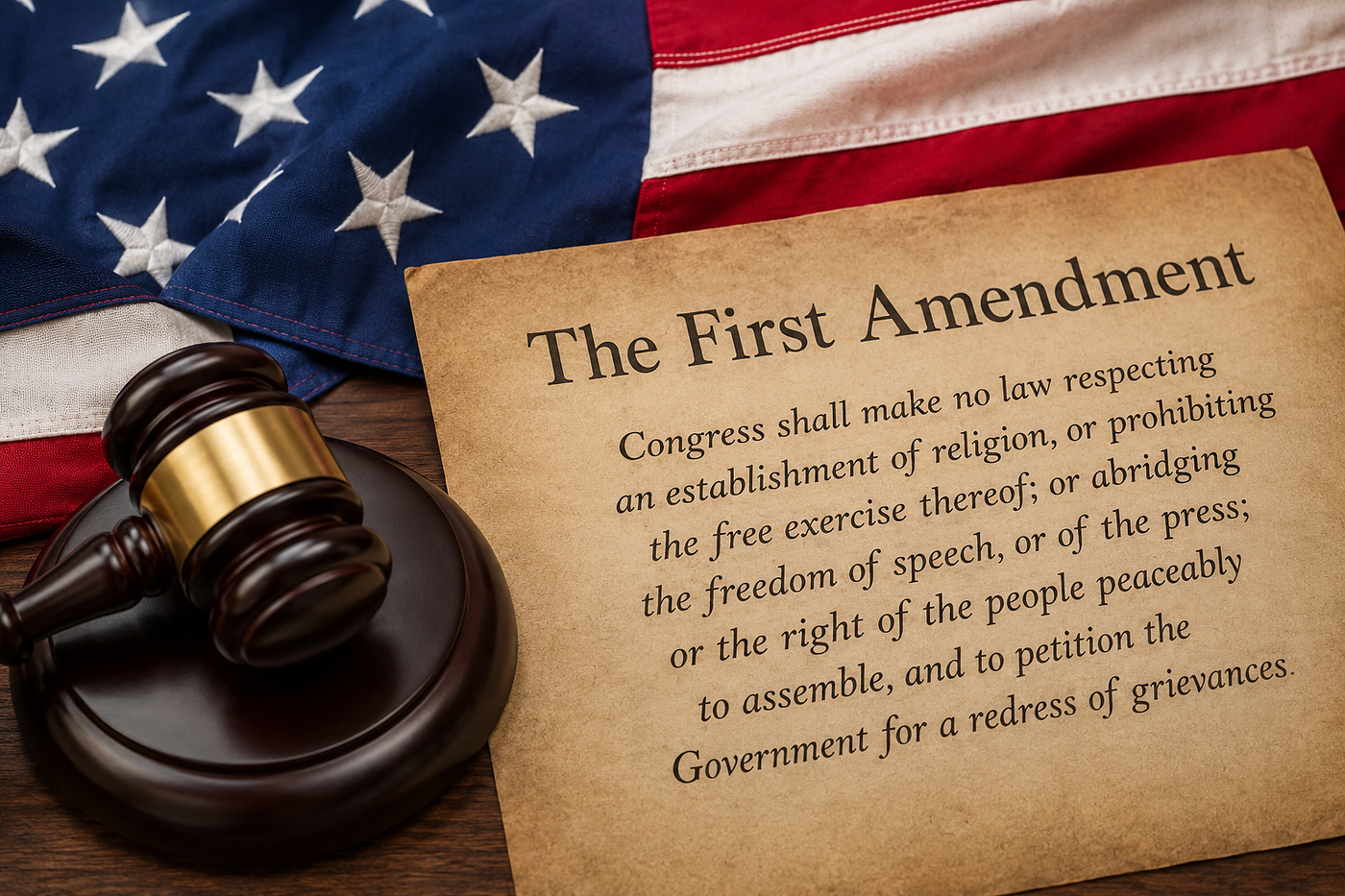
The First Amendment is one of the most powerful protections in the United States Constitution, safeguarding the essential freedoms that allow people to express themselves, practice their beliefs, and participate in democracy without government interference. From freedom of speech and religion to the right to protest and access information, the First Amendment impacts everyday life in countless ways. Understanding these rights is critical for anyone who wants to protect their civil liberties and recognize when those freedoms may be violated.
The First Amendment protects five core freedoms: freedom of speech, freedom of religion, freedom of the press, the right to peacefully assemble, and the right to petition the government. These constitutional protections form the foundation of democratic society in the United States. Whether you are speaking publicly, posting online, attending a protest, or practicing your faith, the First Amendment provides legal protections against unlawful government restrictions.
Freedom of speech is often considered the most recognized part of the First Amendment. This protection allows individuals to express opinions, criticize government actions, discuss political issues, and engage in open debate. However, not all speech is fully protected. Certain forms of speech such as direct threats, incitement to violence, defamation, and obscenity may face legal limitations under U.S. law. Courts across the country continue to interpret how these protections apply in modern settings including social media platforms, schools, workplaces, and public demonstrations.
Freedom of religion ensures that individuals may practice any religion, or no religion at all, without government interference. This includes the right to attend religious services, wear religious clothing, and hold personal spiritual beliefs. The government is also prohibited from establishing an official religion or favoring one religion over another. These protections have shaped major legal decisions involving schools, workplaces, and public institutions throughout American history.
The First Amendment also protects freedom of the press, allowing journalists and media organizations to report information and investigate matters of public concern. A free press plays a vital role in holding government officials accountable and informing the public about important issues. Courts have repeatedly emphasized that protecting journalists and news organizations strengthens democracy and transparency.
Another essential protection is the right to peacefully assemble. Americans have the constitutional right to gather in public spaces to protest, demonstrate, march, or express collective viewpoints. This protection has played a major role in civil rights movements, labor demonstrations, and political activism throughout the nation’s history. While governments may impose reasonable time, place, and manner restrictions for safety purposes, authorities generally cannot suppress peaceful protests simply because they disagree with the message being expressed.
The First Amendment also protects the right to petition the government. This allows citizens to contact elected officials, file lawsuits, advocate for policy changes, and seek remedies for grievances. Petitioning the government remains a key part of civic participation and democratic engagement in the United States.
Understanding what the First Amendment protects is especially important in today’s rapidly evolving digital world. Questions surrounding online speech, censorship, protest rights, police interactions, and government authority continue to shape legal debates nationwide. Individuals who understand their constitutional rights are often better prepared to recognize violations and take appropriate legal action when necessary.
Readers searching for information about constitutional law, civil rights, police interactions, protest rights, freedom of speech cases, and legal protections can benefit from understanding how the First Amendment applies in real-world situations. Staying informed about your rights can help protect your freedoms and empower you to respond confidently when constitutional issues arise.
메타데이터
- post_id
- 3f55f9a4dd0f
- slug
- understanding-your-first-amendment-rights-3f55f9a4dd0f
- url
- https://medium.com/@lawofficesofjamessterrell/understanding-your-first-amendment-rights-3f55f9a4dd0f
- canonical_url
- https://medium.com/@lawofficesofjamessterrell/understanding-your-first-amendment-rights-3f55f9a4dd0f
- author_url
- https://medium.com/@lawofficesofjamessterrell
- status
- ok
- fetched_at
- 2026-07-15 17:50:21