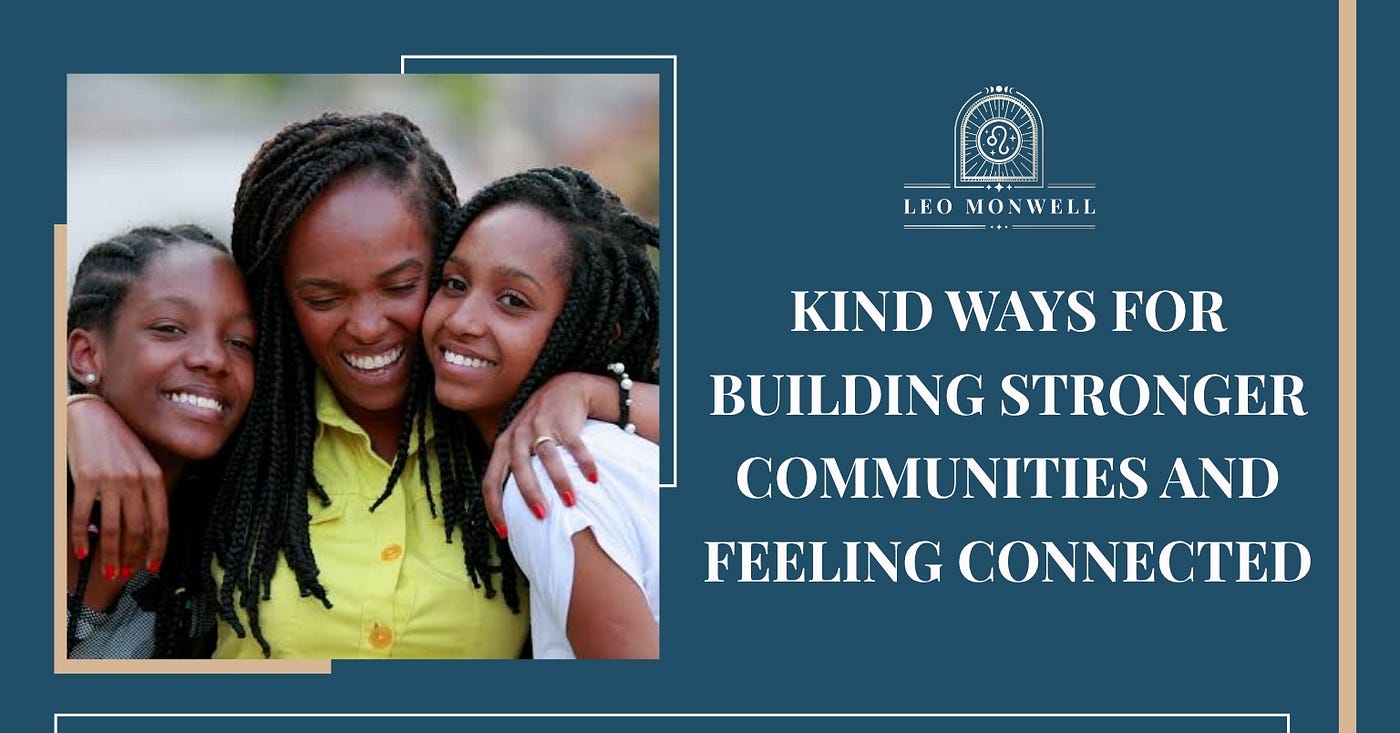
TEENAGE MENTAL HEALTH SUPPORT STRATEGIES FOR THE MODERN WORLD
Raising a teenager today feels different than it did years ago. Life moves fast for young people. They face unique hurdles that can impact…
TEENAGE MENTAL HEALTH SUPPORT STRATEGIES FOR THE MODERN WORLD

Raising a teenager today feels different than it did years ago. Life moves fast for young people. They face unique hurdles that can impact their well-being. Many parents see their kids struggling and feel unsure about how to help. This is why having clear teenage mental health support strategies is so important right now.
It is about creating a bridge between you and your child. When teens feel heard, they feel safer. You do not have to have all the answers. Just being present and open can make a huge difference in their daily lives. Taking time to understand their world is the first step toward a healthier home.
The Hidden Pressures on Today’s Youth
Teenagers often carry a heavy emotional load that adults might not see. School is no longer just about grades. It has become a high-stakes environment for many. You might notice your child staying up late or acting irritable. These are common teen academic pressure signs that show they are feeling overwhelmed.
They worry about the future and feel they must be perfect. When this pressure builds up, it can lead to anxiety or a loss of interest in things they once loved. It is important to remember that their stress feels very real to them.
Social Media and the Comparison Trap
The digital world adds another layer of difficulty. Teens spend hours looking at highlight reels of other people’s lives. We call these social media comparison effects. They see filtered photos and think they are not good enough.
They might feel left out or judged by their peers online. This constant “checking” can drain their self-esteem quickly. It makes them feel like they are always being watched or graded by the world. Helping them find balance with their screens is a key part of modern parenting.
Navigating Identity and Growth
Teenhood is a time of searching. Kids are trying to figure out who they are and where they fit. Sometimes, they need youth identity struggle help to feel grounded. They might question their values, their friend groups, or their goals.
This is a normal part of growing up, but it can be very lonely. They want to be independent, but they still need your guidance. Finding that balance between giving space and staying close is a delicate but necessary task for every parent.
Ways to Build a Stronger Support System
You do not have to fix every problem for your teen. Your role is to be a steady anchor in their life. Building teen support systems starts at home but includes the whole community. It involves teachers, coaches, and friends who care about their well-being.
When a teen knows they have a net to catch them, they are more willing to take healthy risks. Here are some simple ways to strengthen that net today. A strong support system acts as a shield against the pressures of the outside world.
Helpful Tips for Daily Connection
- Listen more than you speak: Let them finish their thoughts before you offer advice.
- Validate their feelings: Use phrases like “I can see why that is hard” to show you care.
- Create tech-free zones: Eat dinner together without phones to encourage real talk.
- Watch for changes: Pay attention to shifts in sleep, eating, or social habits.
Comparing Healthy Growth and Signs of Struggle
It is helpful to know what to look for when checking in on your teen. In a healthy stage of growth, a teen might want more privacy but will still talk to you occasionally. They might manage school work with some stress, but they keep going. They also continue to enjoy their hobbies and see their friends.
In contrast, a teen who is struggling might stop talking to the family altogether. You might see teen academic pressure signs like constant crying, extreme fatigue, or giving up on school. They often lose interest in the hobbies that once made them happy. If you notice these shifts lasting for more than a few weeks, it is an important time to offer extra support.
Things to Consider for Early Support
When you notice a change, acting quickly is often the best path. Early intervention for youth does not mean something is “wrong” forever. It just means you are giving them tools before the problem gets too big.
Think of it like a small leak in a pipe. If you fix it now, you avoid a flood later. Early support helps teens build resilience. It teaches them that asking for help is a sign of strength, not weakness. This mindset will serve them well into their adult lives.
Double Check These Support Signs
Sometimes we miss the cues because we are busy. Take a moment to “double check these things” in your home. Is your teen pulling away from family activities? Are their grades dropping suddenly? This might not be “bad behavior.”
They could be called for help. Experts suggest looking beneath the surface of the action. Anger often hides sadness or fear. When you look for the feeling behind the act, you can connect on a deeper level.
Simple Steps for Daily Wellness
- Promote Physical Health: Encourage movement and good food to boost their mood.
- Model Self-Care: Show them how you handle your own stress in healthy ways.
- Find Hobbies: Help them find a “flow” activity that isn’t related to school.
- Practice Gratitude: Talk about one good thing that happened each day together.
Taking the Next Step Together
If you feel like you need more help, you are not alone. Parenting is hard, and no one has a manual for every situation. Reaching out for professional advice can give you a fresh perspective.
It provides a safe space for your teen to talk without worrying about your reaction. This is a vital part of effective teenage mental health support strategies. It shows your child that you are willing to do whatever it takes to support their happiness and health.
Building a Bridge to Professional Help
Talking about therapy should be as normal as talking about a doctor’s visit. Explain that it is just a way to learn new “brain skills.” You can even look for resources together.
This gives them a sense of control over their own journey. When a teen feels like they are part of the solution, they are more likely to engage. Leo MonWell and his team focus on making these steps feel natural and safe for both the parent and the child.
Conclusion
In conclusion, your teen’s mental health is a journey, not a destination. Using consistent teenage mental health support strategies helps create a stable environment for them to grow. Life will always have ups and downs, but with your support, they can handle the ride. Remember to be patient with them and with yourself. Every small effort you make to listen and understand builds a stronger bond. You are doing a great job by simply showing up and caring for their future.
Leo MonWell and his team are here to suggest that you don’t have to navigate these years by yourself. If you feel overwhelmed, reach out for guidance. There is a whole community ready to help your family thrive. Thank you for taking the time to read these helpful suggestions today. Your commitment to your child’s well-being is the most important first step. You are providing the foundation they need to become healthy and happy adults.
Frequently Asked Questions
Q1: How do I know if my teen is just being a “teen” or if it is a mental health issue?
Look for the duration and intensity of the change. If a mood or behavior lasts more than two weeks and interferes with daily life, it might be time for more support.
Q2: My teen refuses to talk to me. What should I do?
Try “parallel” activities like driving in the car or walking. Often, teens find it easier to talk when they don’t have to make direct eye contact.
Q3: Is social media always bad for mental health?
Not always, but it needs limits. It can be a place for connection, but it becomes harmful when it is used for constant comparison or replaces sleep.
Q4: How can I help my teen with academic stress?
Focus on the effort rather than the outcome. Let them know that their worth is not tied to a test score or a college acceptance letter.
Q5: Where can I find more resources for youth support?
Start with your school counselor or your family doctor. They can often provide a “quick guide” to local experts and support groups in your area.
메타데이터
- post_id
- 3f699db9f7bb
- slug
- teenage-mental-health-support-strategies-for-the-modern-world-3f699db9f7bb
- url
- https://medium.com/@leomonwell/teenage-mental-health-support-strategies-for-the-modern-world-3f699db9f7bb
- canonical_url
- https://medium.com/@leomonwell/teenage-mental-health-support-strategies-for-the-modern-world-3f699db9f7bb
- author_url
- https://medium.com/@leomonwell
- status
- ok
- fetched_at
- 2026-08-15 22:52:36