New passive technology detected F-35 Lightning II at a distance of 400 km.
F-35 Lightning II
New passive technology detected F-35 Lightning II at a distance of 400 km.
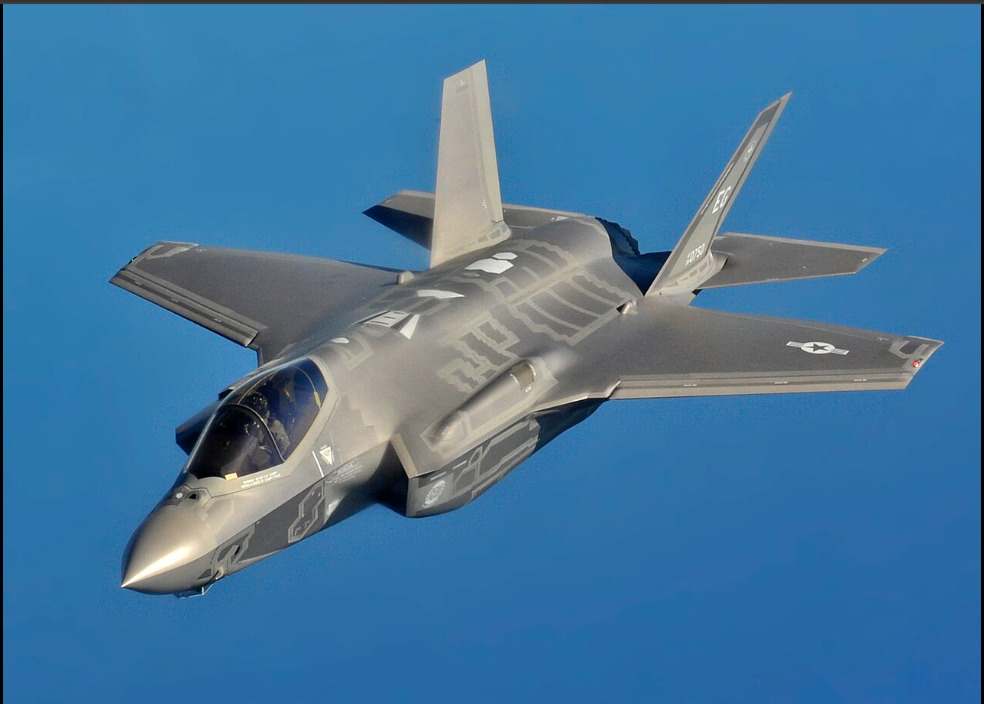
F-35 Lightning II
The STELTH fighter is invisible to radar. But the problem with stealth technology is that the aircraft can still be detected if it sends an electronic signal. The ECM, communication, and IFF send signals. The passive technology can detect those signals. In the passive systems. The detector uses the radars and other signal sources as the transponders. And it can use triangular measurements. For detecting and measuring the distance and direction of the stealth fighter. Those systems can be more limited than radars. But if the defender gets the frequencies of those signal sources. It can track the stealth fighter quite easily.
The Sirius Compact L24R passive system. It sees a stealth fighter using its radio transmitters like radar signals for detection.
Optical systems. Like AI-based digital cameras that use IR and visual frequencies, they can detect stealth fighters. One of the most promising tools for an anti-stealth system is lidar. Lidar, an acronym. Of light detection and ranging. Or laser imaging, detection, and ranging. Wikipedia mentions that this is often stylized LiDAR. If LIDAR systems use UV radiation. Those systems are invisible to IR sensors. And sensors that operate in visible light.
This means that those anti-stealth systems are advancing all the time. The CCD cameras that use triangular measurement, as rangers. Can locate the stealth fighter. Very easily. If that system sees it. These kinds of systems can cooperate with acoustic systems. Which are hidden in the terrain. Those systems can cooperate with radars. The radar. It can see the air flow. Or pressure waves. That the stealth fighter leaves behind it. The acoustic systems, radars, lidars, and optical systems operate as an entirety.
Maybe radar cannot see the stealth fighter. But it can see the air that flows around it. There is also a possibility. To send. radio waves with extremely long and short wavelengths. A Radar satellite sees the stealth fighter as a shadow against the background. The satellite can also see. The scattered radio signals that come from the stealth surface.
New hybrid-homing missiles. That use. The AI-based camera applications, along with radar applications, can target the stealth body.
The system can use radar, and if it doesn’t see the source of the signal. That passive system sees. There is a stealth fighter. Or there can be a decoy. A transponder-equipped drone that sends signals to make the defender lock on to it. The system measures the speed. And a change of altitude. Of the transmitter. And that tells something about the attacker. If that target moves fast, it is probably a stealth fighter. Rather than a quadcopter drone. This kind of system. Require an AI-based application that can sort signals and their sources.

Image: EDR Magazine. Sirius Compact L24R.
The stealth fighters can also fly with regular jet fighters like the F-16. Or its robot version, QF-16. In those cases, the regular, or non-stealth system, acts like a firefly. It creates a brighter target than a stealth fighter. And the attacker hopes. The enemy aims its missiles. To those older aircraft. The purpose of the “loyal wingman” drone is also to pull enemy missile fire to it. If the defender knows the frequency that the stealth fighter radar uses.
It can shoot down that aircraft by using the anti-radiation missiles. Those missiles home in on the attacker’s radar. Or, into other signal sources. The fact is that. There is also the possibility of using things. Like drones to aim the smart weapons. Stealth fighters can attack in two waves. The first wave can drop the drone on the target. Then that drone starts.
To send a location signal using radio or optical frequencies. The drone can use the ultraviolet LED. To point the target to an optically guided bomb. The stealth fighter can use its radar in passive mode to locate the drone’s radio signal. When that smart weapon is in a certain location, it sees those LEDs. And then the guidance system will guide it directly to the point. There that drone lies.
The stealth fighter can also use UV lidars and UV-laser scanners. To search for the target. The drone can also point the laser-guided bomb using the UV lasers. The UV radiation is invisible to IR sensors. And optical radar systems like lidar scanners are tools that are invisible. To the radar receivers. But if the defender uses UV-cameras, that makes those systems visible. Things like coherent, very thin radar impulses from radio masers can also pass the passive system. If the radio signal does not hit the antenna, the defender cannot see it.
https://www.tekniikkatalous.fi/uutiset/a/791a4f82-46ae-4e43-889e-005cdc465a3d
https://en.wikipedia.org/wiki/Lidar
https://en.wikipedia.org/wiki/Lockheed_Martin_F-35_Lightning_II
메타데이터
- post_id
- 3f95e1d792b2
- slug
- new-passive-technology-detected-f-35-lightning-ii-at-a-distance-of-400-km-3f95e1d792b2
- url
- https://medium.com/@batrobin/new-passive-technology-detected-f-35-lightning-ii-at-a-distance-of-400-km-3f95e1d792b2
- canonical_url
- https://medium.com/@batrobin/new-passive-technology-detected-f-35-lightning-ii-at-a-distance-of-400-km-3f95e1d792b2
- author_url
- https://medium.com/@batrobin
- status
- ok
- fetched_at
- 2026-06-11 05:11:55