A New Edition to Our Homes: Neo
A New Edition to Our Homes: Neo
Changing Structure of the Family
For much of the twentieth century, the nuclear family was considered the foundation of many communities. A typical household included two parents and children, with responsibilities shared across family members. Parents provided care, guidance, and discipline, while children learned life skills through daily participation in household tasks. Cooking, cleaning, and maintaining a home were not just chores. They were part of how people learned responsibility, cooperation, and independence.
These environments shaped social norms, emotional development, and how people interacted with one another.
Today, family structures look very different. Divorce rates, single-parent households, and economic pressures have changed how many families function. In many homes parents work long hours, extended family may live far away, and traditional caregiving roles have shifted.
As these changes continue, technology is beginning to step into spaces that were once filled by human interaction.
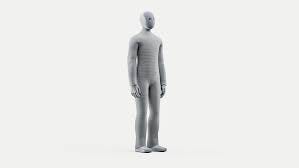
Humanoid robots like the NEO humanoid robot are now being designed to assist with everyday tasks inside homes. The current version can only perform basic actions such as carrying objects or opening doors, but the goal is clear. These machines are being built to live alongside humans and help manage daily responsibilities.
This raises an important question. What happens when future generations grow up in homes shaped not only by changing family structures, but also by machines designed to serve them?
Convenience and the Risk of Dependence
The risks associated with humanoid robots may depend less on the machines themselves and more on how humans choose to use them.
People could easily begin relying on robots for small tasks they are fully capable of doing themselves. At first this may feel like harmless convenience. Over time, however, it could slowly lead to the loss of practical skills.
When technology handles routine responsibilities, people stop practicing the small actions that build independence and problem-solving ability. Tasks like cleaning, organizing a space, or maintaining a home require awareness and effort. If machines constantly perform these tasks, people may lose familiarity with them.
Eventually individuals could become so accustomed to automated help that they may not know what to do without it.
In some cases this dependence could even affect a person’s sense of purpose. Daily responsibilities give structure to routines and often provide a feeling of accomplishment. When those activities disappear, something meaningful about everyday life may disappear with them.
Control and Human Behavior
Another concern is how interacting with machines designed to obey commands may shape human behavior.
Robots do not negotiate instructions the way humans do. They respond to commands and operate within the limits of their programming.
If people become used to interacting with systems that always comply, those habits may influence how they interact with others. Humans adapt quickly to repeated behavior patterns. Someone who regularly commands a machine that instantly obeys may begin to expect the same level of control or convenience in other parts of life.
This becomes especially interesting when viewed through the lens of gender roles. In many societies domestic labor such as cleaning, cooking, and organizing has historically been associated with expectations placed on women within households. If robots begin performing these tasks, technology could begin replacing work that has long been tied to family roles and relationships.
Some people may see robotic assistance simply as a helpful tool. Others may see it as something that replaces shared responsibility inside the home.
Either way it has the potential to change how people think about cooperation and partnership.
The Psychology of Everyday Tasks
Household tasks are often seen as simple responsibilities, but they also serve psychological functions.
Cleaning or organizing a space can reduce stress and create a sense of control. Completing small tasks throughout the day can provide feelings of accomplishment and progress. These routines create structure and help regulate emotions.
When people complete tasks, the brain releases small amounts of dopamine. This reinforces the behavior and encourages people to maintain their environment.
If robots begin performing many of these activities, people may lose some of the psychological benefits that come from doing them themselves. Instead of solving problems through action, individuals may simply give commands and allow technology to handle the situation.
Over time this shift from participation to instruction could change how responsibility and effort are understood within households.
Who Gets Access?
Robotic assistance could be incredibly helpful for certain populations. People with disabilities, chronic illness, or extremely demanding schedules may benefit greatly from help with physical tasks. In these cases, technology could increase independence and improve quality of life.
However access to these technologies will not be equal.
New technologies are usually expensive when they first appear, which means only certain households will be able to afford them. If robots that assist with domestic labor become common, the advantages may only benefit a specific group of people.
Some families may gain more free time and reduced workload because technology handles daily responsibilities. Others will still manage those responsibilities themselves.
This creates the possibility of a new form of inequality within everyday life.
Technology and Social Status
Access to robots may also begin to shape social expectations.
If robotic assistance becomes common among wealthier households, it could become a symbol of modern living or financial stability. Over time the presence of this technology could signal convenience, efficiency, or success.
As this happens, households without robotic assistance may begin to stand out.
Tasks that have always been normal parts of life such as cooking, cleaning, and organizing a home could start to carry unintended social meanings. Some people may associate robotic assistance with success while households that perform these tasks themselves may be perceived differently.
Technology has reshaped status symbols many times before. Domestic robots may become the next example.
The Real Question
Humanoid robots entering the home raise deeper questions about human behavior and dependence.
These technologies may offer real benefits, especially for people who need assistance. At the same time they may change how individuals develop everyday habits, responsibilities, and independence.
If machines perform too many routine tasks, people may lose opportunities to develop practical skills and problem-solving abilities.
Over time individuals may become frustrated or uncertain when technology fails and human effort is required.
Humans evolved by adapting to challenges in their environment. Those challenges helped shape our skills, habits, and behaviors.
So the real question is not simply what robots can do for humans.
The real question is this.
What will human do when robots take over our innate responsibilities?
References:
1X Technologies. (2024). NEO humanoid robot. https://www.1x.tech
National Institute of Mental Health. (2023). Brain basics: Dopamine and reward. https://www.nimh.nih.gov
Pew Research Center. (2023). The changing American family. https://www.pewresearch.org
World Health Organization. (2022). Assistive technology. https://www.who.int
Generative AI Use Statement
This article was written by the author with assistance from ChatGPT (OpenAI) for editing, organization, and language refinement. The ideas, arguments, and analysis presented in the article were developed by the author. AI assistance was used only to improve clarity and structure.
메타데이터
- post_id
- 3fb3a95fe39b
- slug
- a-new-edition-to-our-homes-neo-3fb3a95fe39b
- url
- https://medium.com/@abbiebender993/a-new-edition-to-our-homes-neo-3fb3a95fe39b
- canonical_url
- https://medium.com/@abbiebender993/a-new-edition-to-our-homes-neo-3fb3a95fe39b
- author_url
- https://medium.com/@abbiebender993
- status
- ok
- fetched_at
- 2026-06-12 10:20:10