Lightweight Racing Bicycles Are Becoming the First Choice for Speed-Focused Riders
Lightweight Racing Bicycles are changing how cyclists approach speed, comfort, and endurance on the road. A lighter bike feels easier to…
Lightweight Racing Bicycles Are Becoming the First Choice for Speed-Focused Riders
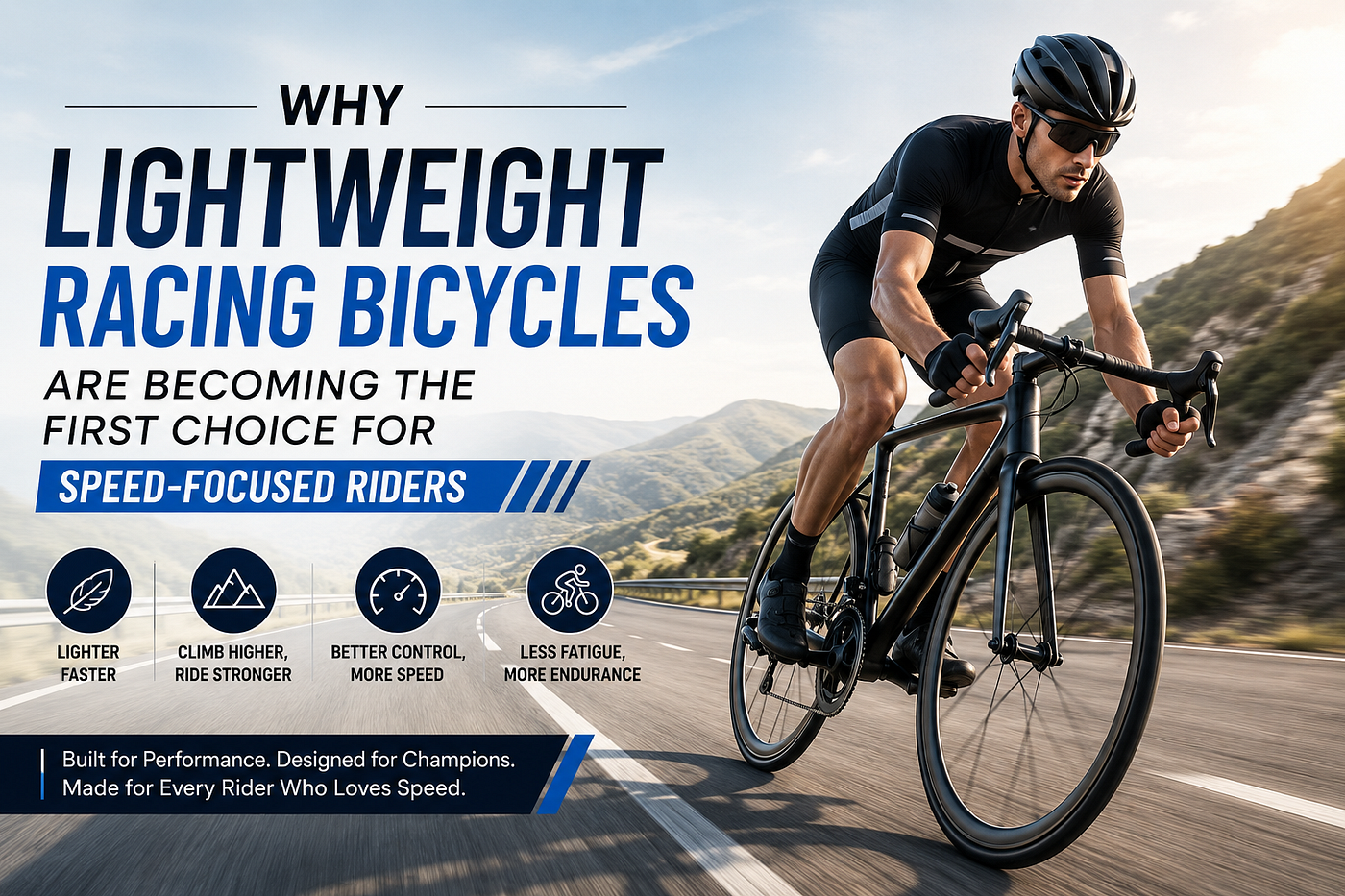
Lightweight Racing Bicycles are changing how cyclists approach speed, comfort, and endurance on the road. A lighter bike feels easier to control, quicker during climbs, and smoother during long rides. For riders who care about pace and performance, every kilogram matters.
Cycling has seen strong growth across fitness, sports, and recreation markets. According to Statista, the global bicycle market is expected to cross USD 100 billion by 2030. More people are joining cycling clubs, road racing events, and endurance rides. This has increased demand for bikes that feel fast without making riders work harder than needed.
A lighter frame does more than reduce physical weight. It improves movement, handling, and riding confidence. Riders notice the difference during climbs, sharp turns, and long-distance rides where energy matters most.
Why Lighter Bikes Feel Faster on the Road
Weight affects almost every part of cycling performance. A heavier bike takes more effort to move forward, especially during climbs or fast acceleration. A lighter bicycle responds faster when riders pedal harder or shift direction.
This gives riders better control during races and group rides. It also helps maintain speed for longer periods without extra fatigue. Even small weight reductions can improve riding comfort during long sessions.
Many riders also say lighter bicycles feel more natural on the road. The bike reacts quickly, which helps riders stay balanced and focused during high-speed movement.
Better Climbing Performance
Climbing is where riders notice the biggest difference. Steep roads demand strength and stamina. A heavy frame can slow momentum and drain energy faster.
Lighter racing bicycles reduce that burden. Riders spend less energy pushing uphill and more energy maintaining rhythm. This helps during mountain climbs, training rides, and long-distance cycling events.
Professional cycling teams have focused on weight reduction for years. The Union Cycliste Internationale sets a minimum bike weight of 6.8 kilograms for professional races. This shows how important balance between strength and lightweight design has become in competitive cycling.
Easier Handling and Control
Fast riding requires stable handling. Riders need to react quickly to traffic, turns, road changes, and weather conditions. Lightweight frames improve control because they respond faster to rider movement.
This becomes useful during sharp cornering or crowded road conditions. Riders can guide the bicycle with less effort while staying balanced at higher speeds.
Many modern racing bicycles also use frame shapes that improve aerodynamics. Combined with lower weight, this helps riders move smoothly while reducing drag from wind resistance.
Reduced Rider Fatigue
Long rides place stress on the body. Heavy bicycles add more pressure on the legs, back, and shoulders over time. Riders feel tired faster, especially during rough terrain or long climbs.
Lighter bicycles reduce physical strain. Riders can maintain speed with less effort, which helps conserve energy during training and competition.
This is one reason endurance cyclists prefer lighter frames. The bike feels easier to manage over long distances, allowing riders to stay comfortable for extended periods.
Materials That Make Lightweight Bikes Possible
Modern bicycle makers use materials that balance low weight with strength and durability. Carbon fiber remains one of the most popular choices for racing bikes because it is light and strong. Aluminum frames are also common due to their lower cost and good performance.
Some high-performance bicycles use titanium for added strength and smooth riding comfort. Each material offers different benefits depending on rider goals and budget.
Manufacturers continue improving frame design, wheelsets, and components to reduce extra weight without affecting rider safety.
Growing Demand Among Fitness Riders
Racing bicycles are no longer limited to professional athletes. Fitness riders, weekend cyclists, and commuting enthusiasts are also choosing lighter bikes.
People who ride daily want bicycles that feel easy to control in traffic and smooth during long rides. Lightweight models help reduce effort during city riding while improving overall comfort.
Social media and cycling communities have also increased interest in road cycling culture. Riders now pay closer attention to bike specifications, frame quality, and performance features before making a purchase.
This demand has created opportunities for manufacturers, retailers, and wholesalers in the cycling industry. Businesses involved in cycling products are expanding their offerings to meet growing buyer interest.
Why the Cycling Market Continues to Expand
Health awareness has become one of the biggest reasons behind cycling growth. More people now use bicycles for exercise, commuting, and outdoor recreation. Governments in many countries are also investing in cycling infrastructure and safer road networks.
As participation increases, riders want equipment that improves comfort and performance. Lightweight bicycles fit this demand because they support speed without making rides physically exhausting.
This trend is also shaping the business side of the sports industry. Suppliers, retailers, and distributors are seeing stronger interest in quality cycling products from both individual riders and commercial buyers.
The Road Ahead for Speed-Focused Riders
Cycling continues to move toward lighter, faster, and more rider-friendly designs. Riders want bicycles that help them stay efficient without sacrificing comfort or control. Lightweight models meet those expectations by improving speed, handling, and endurance in one package.
For businesses working with cycling gear and fitness products, this demand creates strong opportunities in both retail and wholesale markets. Riders are becoming more informed buyers, and they look for bicycles that match real riding needs instead of marketing claims.
Businesses searching for reliable sports equipment suppliers to explore wholesale products can connect with manufacturers and sellers through a Global B2B marketplace that supports long-term business growth. Working with the right B2B Growth Partner helps businesses reach verified buyers and expand into new sports product markets.
FAQs
1. Why do cyclists prefer lighter racing bicycles?
Lighter bicycles improve speed, climbing ability, handling, and rider comfort during long rides.
2. Which material is best for lightweight racing bicycles?
Carbon fiber is popular for its strength and low weight, while aluminum offers a more affordable option with good performance.
3. Are lightweight racing bicycles good for daily riding?
Yes. Many riders use them for commuting, fitness rides, and weekend cycling because they feel easier to control and less tiring over long distances.
메타데이터
- post_id
- 3fb6cbc86bb0
- slug
- lightweight-racing-bicycles-are-becoming-the-first-choice-for-speed-focused-riders-3fb6cbc86bb0
- url
- https://medium.com/@venkatkumar.b2b/lightweight-racing-bicycles-are-becoming-the-first-choice-for-speed-focused-riders-3fb6cbc86bb0
- canonical_url
- https://medium.com/@venkatkumar.b2b/lightweight-racing-bicycles-are-becoming-the-first-choice-for-speed-focused-riders-3fb6cbc86bb0
- author_url
- https://medium.com/@venkatkumar.b2b
- status
- ok
- fetched_at
- 2026-07-11 19:15:18