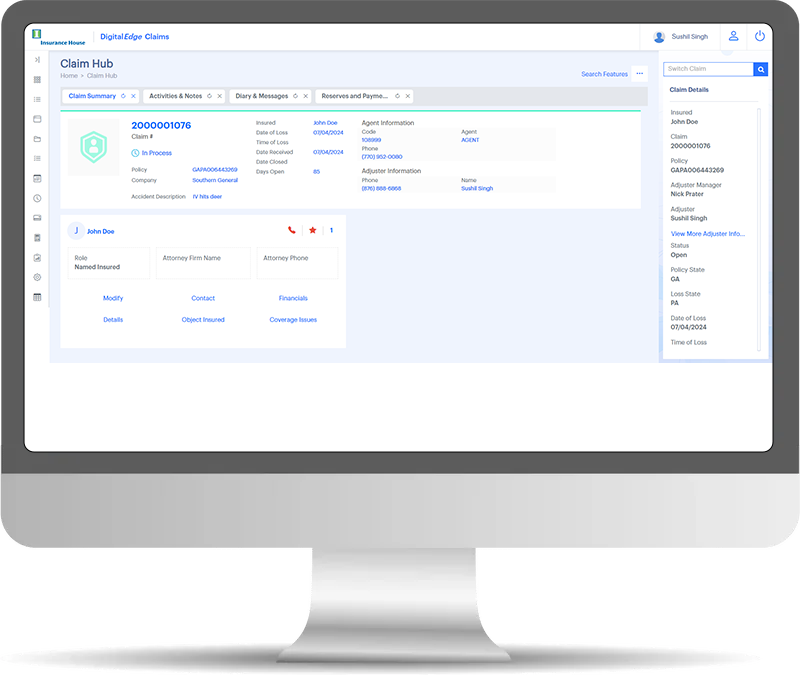
Claims Management Platform: Why Modern Insurance Carriers Need Smarter Claims Operations
In today’s insurance landscape, claims management has become one of the most important factors influencing customer satisfaction…
Claims Management Platform: Why Modern Insurance Carriers Need Smarter Claims Operations
In today’s insurance landscape, claims management has become one of the most important factors influencing customer satisfaction, operational efficiency, and profitability. Policyholders expect quick responses, transparent communication, and fair settlements, while insurers face increasing claim volumes, evolving regulations, and rising operational costs.
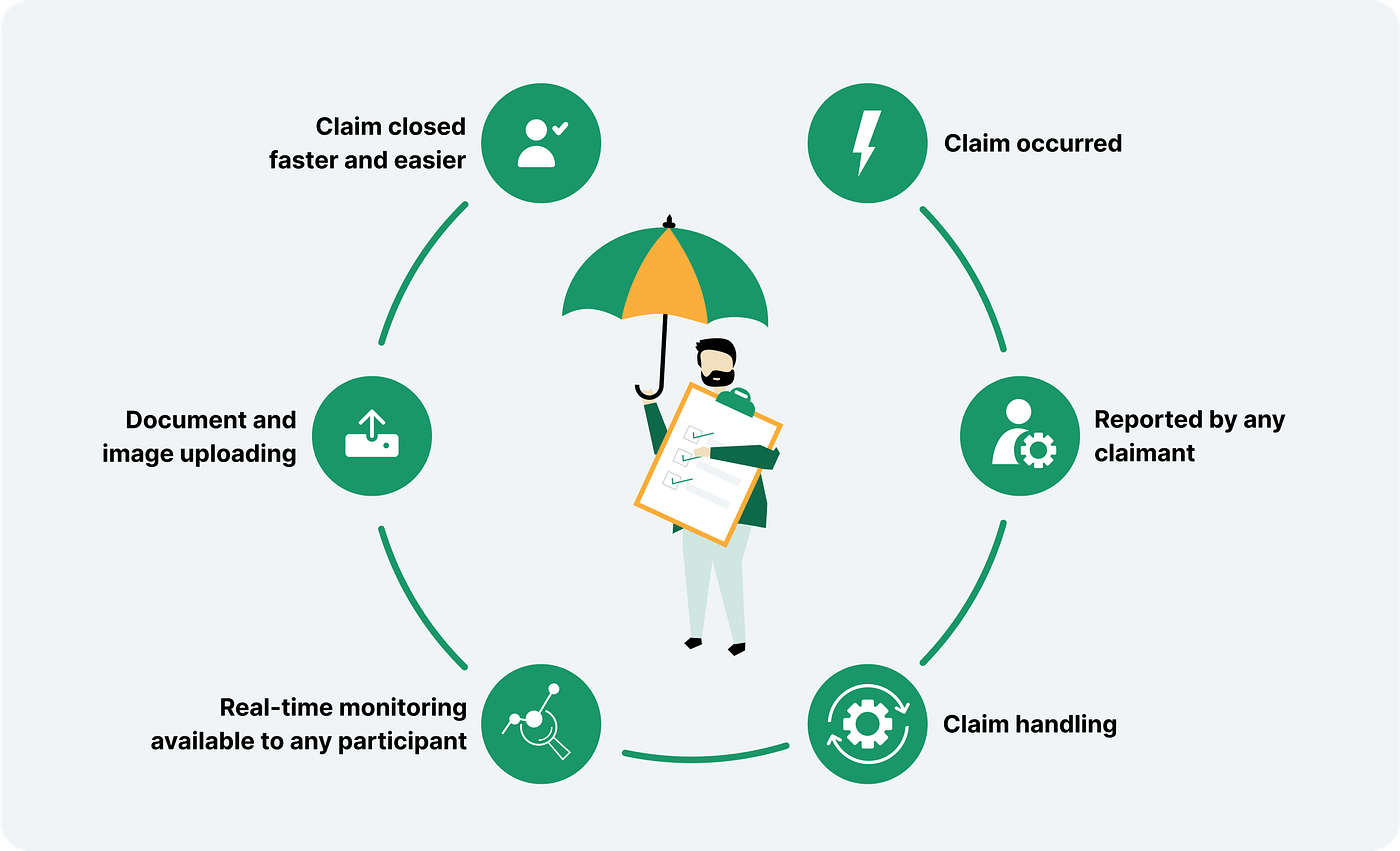
Traditional claims handling methods — relying on disconnected systems, spreadsheets, emails, and manual workflows — are no longer sufficient. To remain competitive, insurance carriers are turning to modern **claims management platforms** that automate routine processes, improve visibility, and help teams resolve claims faster and more accurately.
What Is a Claims Management Platform?
A claims management platform is a centralized software solution that helps insurance carriers manage the entire claims lifecycle. From First Notice of Loss (FNOL) to investigation, documentation, approvals, settlement, and reporting, the platform brings every step into a single digital environment.
Instead of switching between multiple applications or manually tracking claim progress, adjusters, supervisors, and managers gain access to one system that provides real-time information, standardized workflows, and actionable insights.
The result is a faster, more consistent claims process that benefits both insurers and policyholders.
Why Insurance Carriers Are Investing in Modern Claims Technology
Claims departments are under constant pressure to reduce cycle times without sacrificing accuracy or compliance. At the same time, customer expectations continue to rise.
A modern claims management platform addresses these challenges by helping carriers:
- Automate repetitive administrative tasks
- Reduce manual data entry and paperwork
- Improve collaboration between claims teams
- Track claim status in real time
- Standardize workflows across departments
- Enhance regulatory compliance
- Increase operational efficiency
- Deliver a better customer experience
- These improvements not only reduce operational costs but also strengthen policyholder trust and loyalty.
Essential Features of an Effective Claims Management Platform
Not all claims management systems deliver the same value. Insurance carriers should prioritize platforms that provide comprehensive functionality while remaining flexible enough to support changing business needs.
End-to-End Claims Workflow
A complete platform manages every stage of the claims process, ensuring nothing falls through the cracks. Automated workflows reduce bottlenecks and keep claims moving efficiently.
Centralized Document Management
Claim files often include photos, reports, estimates, invoices, and correspondence. A centralized repository ensures authorized users can quickly access the information they need without searching through multiple systems.
Real-Time Dashboards
Managers benefit from live dashboards that display claim volumes, cycle times, pending approvals, adjuster workloads, and other key performance indicators. Better visibility leads to faster decision-making.
Workflow Automation
Routine tasks such as assigning claims, sending notifications, requesting documents, scheduling inspections, and updating claim statuses can be automated, allowing adjusters to focus on higher-value work.
Reporting and Analytics
Advanced reporting tools help insurance carriers identify trends, monitor performance, detect inefficiencies, and make informed operational decisions based on reliable data.
Secure Communication
Built-in messaging and collaboration features keep adjusters, supervisors, vendors, and policyholders connected while maintaining secure documentation of every interaction.
The Business Benefits for Insurance Carriers
Implementing a claims management platform delivers measurable advantages beyond simply digitizing paperwork.
Faster Claims Resolution
Automation reduces delays caused by manual processes, enabling adjusters to resolve claims more efficiently and improve customer satisfaction.
Lower Operational Costs
Reducing administrative work allows claims professionals to handle larger caseloads without increasing staffing costs. Improved efficiency also minimizes processing expenses.
Greater Accuracy
Standardized workflows and centralized information reduce the risk of human error, missing documentation, and inconsistent claim handling.
Improved Compliance
Insurance regulations continue to evolve. Modern platforms help carriers maintain audit trails, standardized documentation, and process consistency that support regulatory compliance.
Better Customer Experience
Policyholders value transparency and timely communication. Faster responses, status updates, and streamlined claims handling contribute to stronger customer relationships and higher retention rates.
Why the Right Technology Partner Matters
Selecting a claims management platform is more than a software decision — it’s a long-term operational investment. Insurance carriers need a solution that is intuitive, scalable, secure, and capable of adapting to changing business requirements.
This is where Adjusted stands out.
Adjusted is designed specifically to simplify and modernize claims operations. Rather than forcing teams to adapt to rigid software, the platform supports efficient workflows that help insurance carriers manage claims with greater speed, visibility, and consistency.
With a focus on workflow automation, centralized claim management, real-time collaboration, and actionable reporting, Adjusted enables claims teams to spend less time on administrative tasks and more time delivering exceptional service to policyholders.
Whether handling property, casualty, or specialty claims, carriers can leverage Adjusted to improve operational performance while maintaining high standards of accuracy and compliance.
Future-Proofing Claims Operations
The insurance industry is becoming increasingly digital, and claims operations are evolving alongside it. Carriers that continue relying on fragmented systems and manual processes risk slower response times, higher operational costs, and declining customer satisfaction.
A modern claims management platform provides the technology foundation needed to improve efficiency, enhance collaboration, and deliver a seamless claims experience.
For insurance carriers looking to optimize claims operations and prepare for future growth, investing in the right platform is a strategic business decision rather than simply a technology upgrade.
Conclusion
Claims management has become a critical competitive differentiator for insurance carriers. Efficient workflows, automation, centralized information, and real-time insights all contribute to faster settlements, improved customer satisfaction, and stronger financial performance.
Adjusted helps insurance carriers transform the way claims are managed by bringing modern technology, intelligent automation, and streamlined workflows into one comprehensive platform. As the demands on claims teams continue to grow, partnering with a trusted solution like Adjusted can help carriers increase efficiency, reduce costs, and deliver the level of service today’s policyholders expect.
메타데이터
- post_id
- 3fd50eb03c4e
- slug
- claims-management-platform-why-modern-insurance-carriers-need-smarter-claims-operations-3fd50eb03c4e
- url
- https://medium.com/@fahadaltaf13/claims-management-platform-why-modern-insurance-carriers-need-smarter-claims-operations-3fd50eb03c4e
- canonical_url
- https://medium.com/@fahadaltaf13/claims-management-platform-why-modern-insurance-carriers-need-smarter-claims-operations-3fd50eb03c4e
- author_url
- https://medium.com/@fahadaltaf13
- status
- ok
- fetched_at
- 2026-08-20 21:42:21