Nameless, Pronoun-less
The art of saying nothing clearly
Espresso shot
Nameless, Pronoun-less
The art of saying nothing clearly
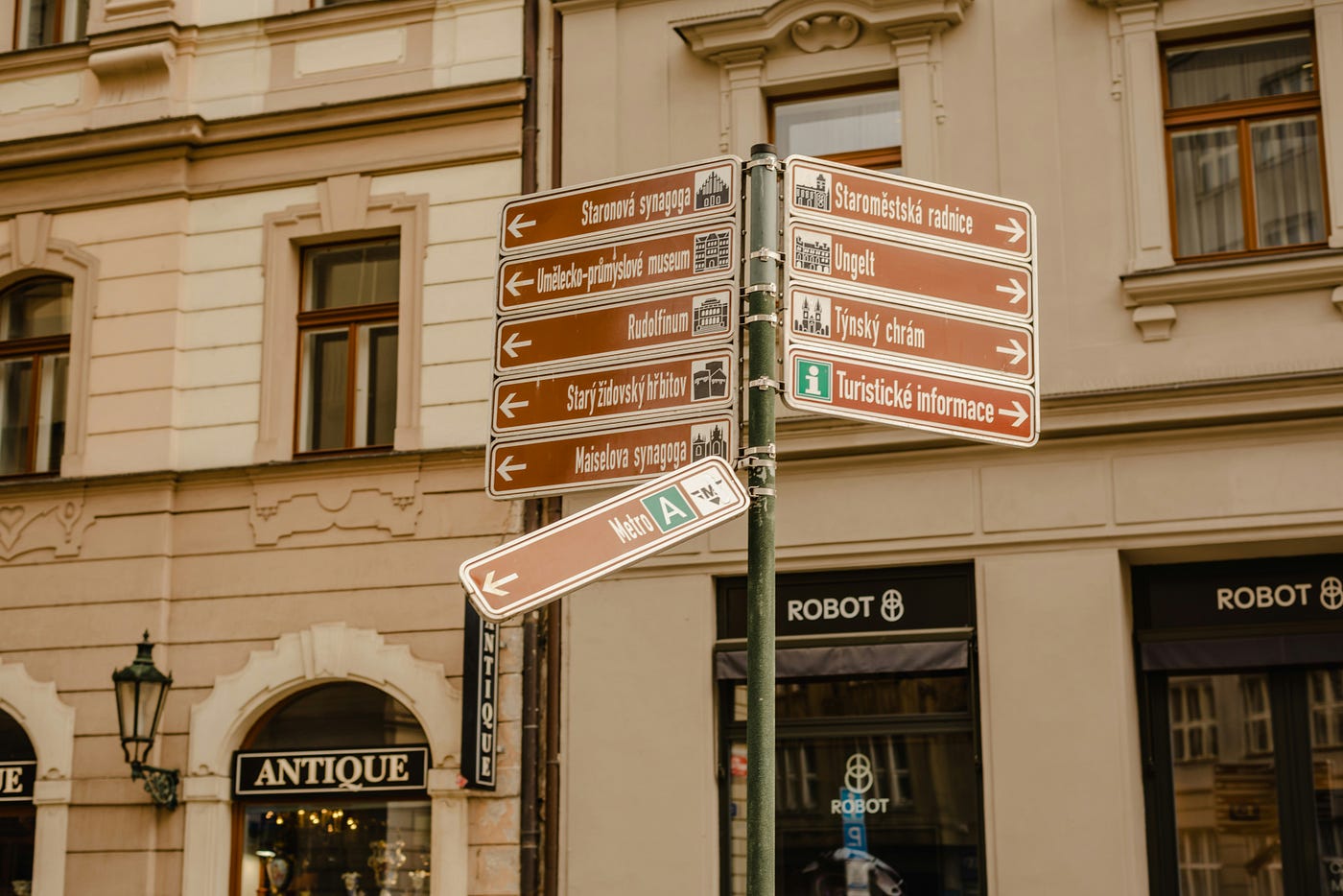
Photo by Eugenia Pan’kiv on Unsplash
Picture a language where you can keep the mystery going right up to the last breath. You don’t have to pin down who you’re talking about at all. The listener is left guessing — is it one person, a group, a human, an animal, maybe not even a person at all? You can stretch the suspense as long as you want, until you finally decide to pull back the curtain.
Don’t believe me? Sometimes the verb still betrays something: šel means “he went”, šla means “she went”, šli means “they went”. You catch at least a shadow of who it was. But Czech can go even further. You can erase even that shadow. Šlo se ven literally means “went outside” — no he, no she, no they. Just an action, hanging in the air with no subject. In English you’re forced to write “they went outside” or “someone went outside”. In Czech you can just let it happen. No faces, no names. Pure haze.
And of course, the listener immediately wants to know who it was. But if you ask, you’ll probably get an answer like: „No tamti šli. Však víš.” — Well, those ones went. You know. (In natural English: “They went home. You know what I mean.”)
Welcome to Czech. If you don’t know who it’s about, you simply drop the personal pronoun. And if you want to go even further, you lean on the inconspicuous little se or si. Ghostly markers, always there, never revealing who’s actually involved. That’s why I love it — it lets me hide behind vagueness, to leave things unnamed whenever I want.
And that’s why I miss it in English. English always demands a label, a pronoun, an identity. It ruins my plans. And sometimes even who I actually am. Because language dictates how much we must reveal. Czech gives us the luxury — the option to stay in the mist until we choose to step out.
All Slavic languages play this game — hiding the subject, leaving it blurred. Spanish or Italian can manage it partially, but the gender usually betrays them. And then there’s English, French, or German — languages where the mystery quickly disappears. You have to point right away: he, she, they. No hiding.

Photo by Dina Spencer on Unsplash
You can sketch a scene, describe everyday details, and still not reveal who it’s about. No number, no gender, just crumbs of information for the listener to piece together. Often used in stories where names don’t matter anyway — why bother, when a funny story without them is enough? Simple anonymity.
You could even write pages and still not know who it was about. Other languages can hide behind general roles too — ‘a student’, ‘a driver’, ‘a neighbor’. But Czech adds another layer: it can strip away even that, erasing gender, number, or identity until nothing is left but the action itself.
Czech lets you hide who is hiding behind the sentence. And even words themselves can wear masks. A key doesn’t always unlock a door. A step doesn’t always go up. It’s not only about who the listener is chasing, but what they’re hearing in the first place. You can toy with them — show a hint here, hide a piece there, let the rest vanish into the mist.
For foreigners, it may look like a trap. But for us, it feels more like a playground, where you can build riddles and little snares just for fun.
Author’s note: Together with Vincent Halles, we’ve started a small corner of the internet called Café Evropa — a table for stories, memories, and ideas with a European flavor. Pull up a chair anytime.
[embed]Café Evropa Essays, letters, and reflections brewed across the continent.medium.com
메타데이터
- post_id
- 3fdefd024232
- slug
- nameless-pronoun-less-3fdefd024232
- url
- https://medium.com/caf%C3%A9-evropa/nameless-pronoun-less-3fdefd024232
- canonical_url
- https://medium.com/caf%C3%A9-evropa/nameless-pronoun-less-3fdefd024232
- author_url
- https://medium.com/@adelavalcikova
- status
- ok
- fetched_at
- 2026-07-08 04:28:09