Why Software Gets Harder to Change Long Before It Breaks
Why teams don’t slow down because of bugs — but because change gets expensive.
Why Software Gets Harder to Change Long Before It Breaks
Why teams don’t slow down because of bugs — but because change gets expensive.
🔥 Top Tech Companies Are Hiring 🚀 Multiple Roles (Remote & Onsite) 👉 Apply Now — Start Getting Interview Calls

Software rarely becomes hard to change because it’s broken. It becomes hard to change while it’s still working — when small updates carry unexpected risk, familiar code paths feel fragile, and every change costs a little more than the last. By the time teams notice they’ve slowed down, the system hasn’t failed — it has quietly lost its agility.
That’s technical debt doing its real damage.
Technical debt is easy to agree on in theory and hard to deal with in practice. Under delivery pressure, it’s usually the first thing deprioritized. Cleanups slip “just this once.”
And the system quietly gets heavier.
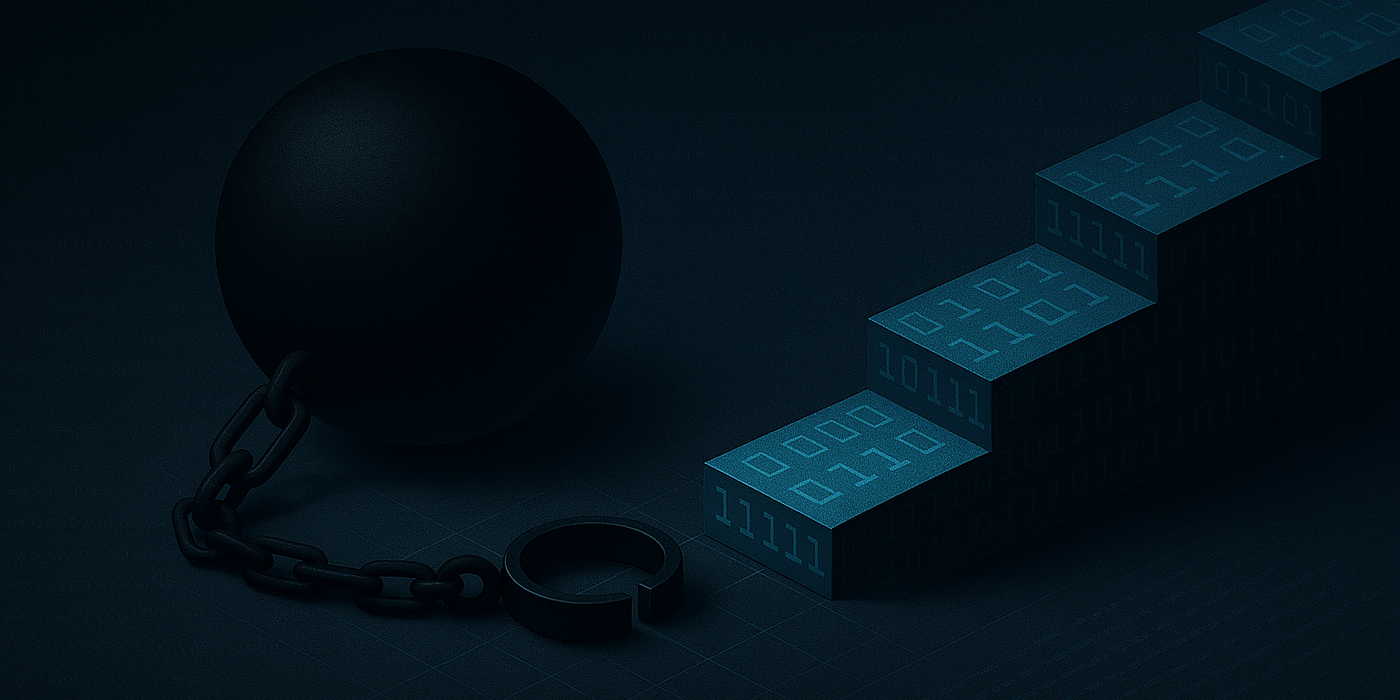
The real risk isn’t that technical debt exists. It’s that ignored technical debt compounds — slowly, predictably, and without a clear failure event. Progress just gets harder.
You Don’t See the Cost — You Feel It
Technical debt rarely shows up as a roadmap item. Instead, it leaks into the work:
- Features that take longer than expected
- Tests people don’t quite trust
- Modules no one wants to touch
- Fixes that introduce new issues nearby
Teams spend more energy working around the system than evolving it. Effort increases. Output doesn’t.
That gap is interest.
Agility Is Usually the First Casualty
Unmanaged technical debt attacks agility before correctness.
The system still “works,” but change becomes expensive. Coupling increases. Tests lag behind behavior. Small updates ripple unpredictably.
Eventually, engineers stop designing and start defending. Refactors feel risky. Reviews become cautious. Architecture shifts from an enabler to a constraint.
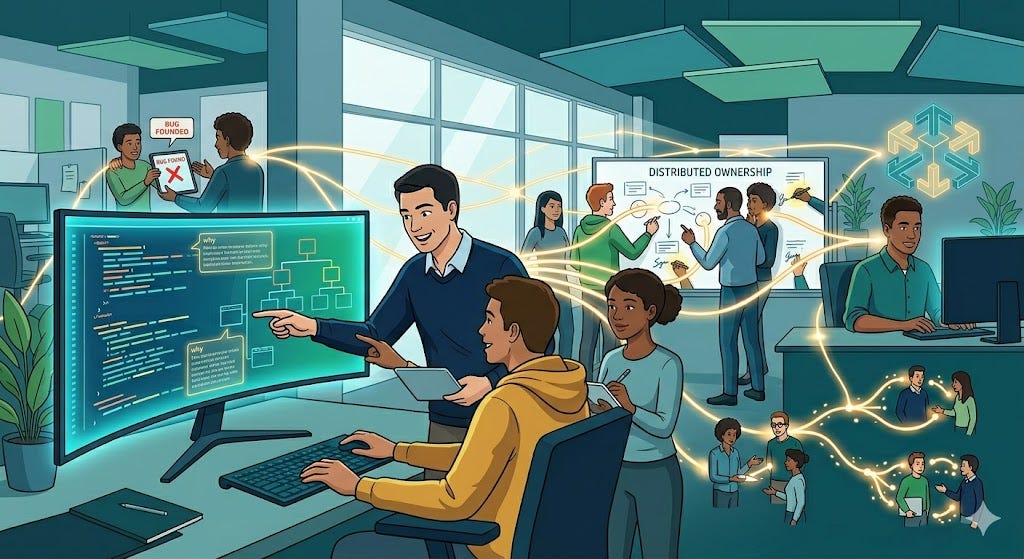
Teams end up busy but slow — not because they forgot how to build software, but because the system no longer supports change.
What Senior Engineers Can Do
Senior developers usually don’t control deadlines — but we do control how work happens inside them.
The most effective teams don’t treat refactoring as a phase or a special initiative. They treat it as part of everyday development.
Leave it better than you found it.
That doesn’t mean chasing perfection. It means making small, local improvements whenever you touch code: clarifying intent, removing dead paths, renaming misleading variables, and adding the test that makes behavior explicit.
These small changes, applied consistently, keep debt from hardening.
This approach only works with automated tests. Tests don’t just catch bugs — they preserve the ability to refactor safely. Without that safety net, avoidance becomes the rational choice.
Refactoring Is How Teams Keep Delivering
The belief that refactoring slows teams down is persistent — and wrong.
Teams that never invest in cleanup eventually hit a wall where every change feels risky and expensive. Teams that refactor continuously preserve options. They move faster not by working harder, but by keeping the system pliable.
Delivery speed isn’t about how fast you write code.
It’s about how expensive change has become.
Closing Thought
Technical debt is inevitable. Ignoring it is optional.
Every team pays interest. The only real choice is whether you pay it down incrementally — or let it compound until even small changes feel heroic.
Leave it better than you found it.
Your future team will thank you.
Thank you for being a part of the community
Before you go:

👉 Be sure to clap and follow the writer ️👏️️
👉 Follow us: **Linkedin| [Medium](https://medium.com/codetodeploy)**
👉 CodeToDeploy Tech Community is live on Discord — **Join now!**
Disclosure: This post includes affiliate and partnership links.
메타데이터
- post_id
- 3ff4f4bcf876
- slug
- why-software-gets-harder-to-change-long-before-it-breaks-3ff4f4bcf876
- url
- https://medium.com/codetodeploy/why-software-gets-harder-to-change-long-before-it-breaks-3ff4f4bcf876
- canonical_url
- https://medium.com/codetodeploy/why-software-gets-harder-to-change-long-before-it-breaks-3ff4f4bcf876
- author_url
- https://medium.com/@bithckr
- status
- ok
- fetched_at
- 2026-06-13 07:35:29