What CPS Can and Cannot Do in Texas: A Parent’s Guide to Protecting Your Rights
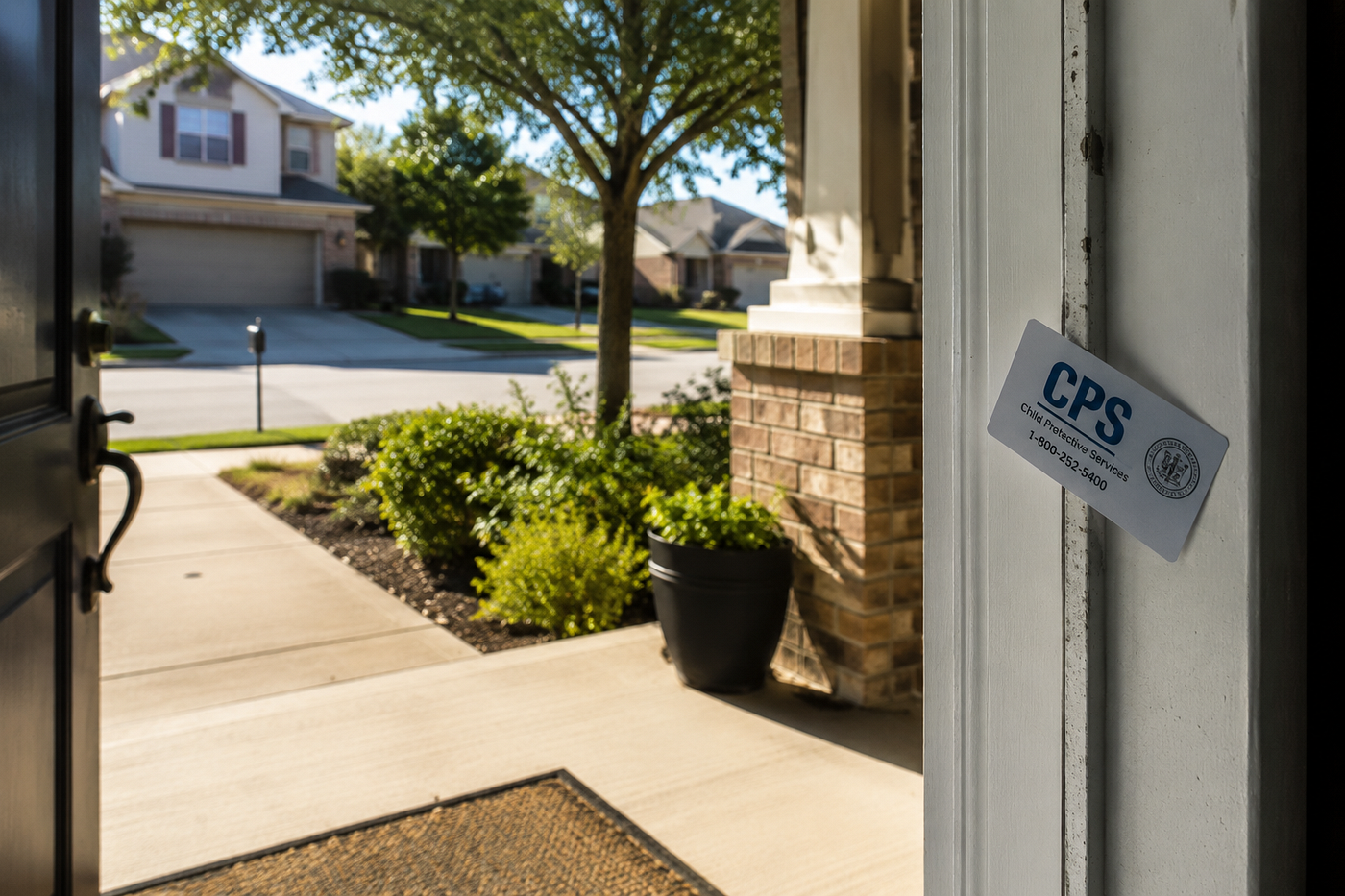
Have you ever opened your front door, seen a CPS business card tucked into the frame, and immediately felt your stomach drop? For many…
What CPS Can and Cannot Do in Texas: A Parent’s Guide to Protecting Your Rights
What CPS Can and Cannot Do in Texas
Have you ever opened your front door, seen a CPS business card tucked into the frame, and immediately felt your stomach drop? For many Texas parents, that moment triggers a flood of questions: Why is CPS contacting my family? What happens next? Can they come into my home? Can they talk to my child without me? Understanding What CPS Can and Cannot Do in Texas is one of the most important things a parent can learn because the decisions you make during those first few days can have a lasting impact on your family and your future.
The truth is that many parents don’t realize that Child Protective Services has both significant authority and significant limitations under Texas law. CPS can investigate allegations of abuse or neglect, interview children, gather evidence, and ask courts to intervene when necessary. At the same time, CPS cannot simply ignore your constitutional rights or bypass the legal protections built into the Texas Family Code. Knowing where those boundaries exist helps you respond with confidence instead of fear.
At The Law Office of Bryan Fagan, PLLC, we have guided Texas families through some of the most difficult and emotional moments of their lives. Founded by Bryan Joseph Fagan, a South Texas College of Law graduate and recognized authority on Texas divorce and custody law, our firm believes that education is one of the most powerful tools available to parents facing uncertainty. When families understand their rights, their options, and the legal process ahead, they are better equipped to protect what matters most.
Under Texas law, CPS investigations can affect far more than an initial report. They can influence custody disputes, parenting plans, visitation arrangements, and future court proceedings. Texas courts are required to prioritize the best interests of the child under Texas Family Code §153.002, which means judges closely evaluate child safety, stability, parental decision-making, and the evidence gathered during an investigation.
In this guide, you’ll learn exactly What CPS Can and Cannot Do in Texas, how CPS investigations work, what rights parents have throughout the process, and what practical steps can help protect your family. Most importantly, you’ll gain the clarity and peace of mind that comes from understanding the rules before someone else starts making decisions that affect your children and your future.
Key Takeaways
- CPS can investigate allegations of abuse or neglect under Texas Family Code Chapter 261.
- CPS generally cannot enter your home without consent, a court order, or an emergency.
- CPS may interview children without parental consent in certain circumstances.
- Parents have important constitutional and statutory rights during investigations.
- Emergency removals require strict legal standards and court oversight.
- CPS findings can affect future custody proceedings.
- Early decisions during an investigation can significantly impact the outcome.
👉 Schedule a consultation to understand your rights and options today
What CPS Is Legally Allowed to Do in Texas

What CPS Is Legall Allowed to Do in Texas
Yes. Child Protective Services has broad investigative authority under Texas Family Code Chapter 261.
Under Texas law, CPS may investigate reports of child abuse or neglect, interview children and household members, review relevant records, request home access, and gather evidence. The Texas Department of Family and Protective Services (DFPS) is responsible for determining whether allegations require further action.
A CPS investigation begins when a report is assigned for review. Depending on the severity of the allegations, investigators may contact parents within hours or days. The purpose is to assess child safety and determine whether intervention is necessary.
In straightforward situations, an investigation may consist of interviews and fact gathering. In more complex cases involving substance abuse, domestic violence, or repeated reports, CPS may seek court involvement or additional services.
CPS Powers vs. CPS Limitations

CPS Powers vs. CPS Limitations
What CPS Cannot Do in Texas
No. CPS authority is significant, but it is not unlimited.
Under Texas law, CPS investigators must operate within constitutional and statutory boundaries. CPS cannot force entry into a home without proper legal authority. CPS cannot remove a child simply because an investigator disagrees with a parent’s choices. CPS cannot retaliate against a parent for requesting legal counsel.
Many parents mistakenly assume they must immediately agree to every request. In reality, understanding your rights helps ensure that the investigation follows the procedures required by Texas law.
Where allegations are disputed, legal strategy becomes more important because the consequences may extend into future custody proceedings.
Can CPS Enter Your Home Without Permission?

No. CPS generally cannot enter your home without consent, a court order, or an emergency.
A CPS investigator may knock on your door and ask to enter. However, your home remains protected by constitutional privacy rights. If you decline entry, CPS may need to seek judicial authorization before entering.
Texas Family Code Chapter 262 allows emergency action when a child faces immediate danger. However, the standard is much higher than mere suspicion.
In straightforward situations, parents may choose to speak with investigators outside the home while maintaining appropriate boundaries. In more complex cases involving contested allegations, understanding consent and legal authority becomes especially important.
[embed]
Can CPS Interview Your Child Without You?
Yes. CPS may interview a child without parental consent and without a parent being present.
Texas Family Code Chapter 261 permits investigators to interview children at school or other locations as part of an investigation. Schools frequently cooperate with CPS during these interviews.
Parents cannot generally prevent the interview, but they can document what occurred and seek information about the process afterward.
One common mistake is coaching a child about what to say. Texas courts and CPS investigators closely examine whether a child has been influenced. Encouraging honesty is appropriate. Scripting answers is not.
[embed]
Can CPS Make You Take a Drug Test?
No. CPS may request a drug test, but a parent cannot generally be forced to submit without legal authority.
A refusal may lead CPS to seek a court order or draw additional scrutiny, particularly when substance abuse allegations exist. However, agreeing to testing without understanding the implications can also create challenges.
In straightforward situations, testing may quickly resolve concerns. In more complex cases involving custody disputes, substance abuse allegations, or prior CPS history, strategic decision-making becomes increasingly important.
Texas judges evaluate evidence, credibility, and child safety when determining how much weight to give a positive test, a negative test, or a refusal.
What Is a CPS Safety Plan?

What is a CPS Safety Plan
A CPS safety plan is a voluntary agreement designed to address concerns without immediately removing a child.
A safety plan may involve supervision requirements, temporary living arrangements, counseling, or restrictions on certain individuals. Parents are frequently surprised to learn that many safety plans are technically voluntary.
However, refusing a safety plan can sometimes lead CPS to pursue court involvement if investigators believe a child remains at risk.
[embed]
In straightforward situations, safety plans may help resolve concerns without litigation. In more complex cases, parents should carefully evaluate the long-term implications before agreeing to significant restrictions.
👉 Schedule a consultation to understand how a proposed safety plan could affect your family before making important decisions.
Emergency Removal of Children
Yes. CPS may remove a child without prior court approval when an immediate danger exists.
Texas Family Code Chapter 262 permits emergency removal when there is an urgent threat to a child’s physical health or safety. After removal, CPS must quickly seek judicial review.
The process generally includes:
- Emergency removal.
- Filing legal pleadings.
- Initial court review.
- Adversary hearing within approximately 14 days.
Texas courts require evidence supporting the removal. An investigator’s concerns alone are not enough. Judges evaluate safety risks, available alternatives, and whether removal is truly necessary.
CPS and Child Custody Cases
Yes. CPS investigations frequently influence child custody proceedings.
Texas Family Code §153.002 requires courts to make custody decisions based on the best interest of the child. Texas Family Code §153.134 provides additional guidance when courts create conservatorship orders.
When CPS involvement overlaps with a custody dispute, judges may consider:
- Child safety concerns.
- Stability of each household.
- Credibility of the parents.
- Educational continuity.
- Emotional well-being.
- Compliance with court orders.
For example, one parent may report concerns about substance abuse, while another parent disputes the allegations. The court’s focus remains on evidence rather than accusations.
In straightforward situations, a CPS inquiry may have little long-term effect. In more complex cases involving repeated allegations, emergency removals, or findings of abuse or neglect, the impact on custody can be substantial.
Protecting Your Rights During a CPS Investigation
Yes. Parents have rights throughout the CPS process.
Under Texas law, parents have the right to seek legal guidance, challenge CPS allegations, participate in court proceedings, and present evidence on their behalf.
Practical steps include:
- Remain calm and professional.
- Document communications.
- Keep records organized.
- Understand requests before agreeing.
- Avoid discussing allegations on social media.
- Seek guidance when significant decisions arise.
When the case moves into court, preparation becomes increasingly important. Judges evaluate not only the allegations themselves but also how parents respond throughout the process.
[embed]
Next Steps
Understanding What CPS Can and Cannot Do in Texas allows parents to replace fear with informed decision-making. CPS has important responsibilities under Texas law, but parents also have important rights. Knowing where those lines exist can help protect your family, your future, and your peace of mind.
In straightforward situations, basic legal guidance may be enough to answer questions and clarify expectations. In more complex cases involving contested allegations, emergency removals, safety plans, or custody disputes, strategic legal planning becomes increasingly important. The earlier you understand your options, the more control you may have over the outcome.
👉 Schedule a consultation to develop a strategy before important deadlines arrive.
At The Law Office of Bryan Fagan, PLLC, our purpose is simple: empower families to reclaim freedom and peace of mind. We do that through education, compassionate guidance, and family law services designed to protect what matters most.
Conclusion:
Understanding What CPS Can and Cannot Do in Texas is ultimately about more than learning rules and procedures — it’s about protecting your family during a time when uncertainty can feel overwhelming. When parents understand their rights, the limits of CPS authority, and how Texas courts evaluate child safety and parental decision-making, they are better equipped to make informed choices that support both their children and their future. Knowledge creates confidence, and confidence allows families to move forward with greater clarity and peace of mind.
In straightforward situations, a CPS investigation may involve little more than interviews, documentation, and fact-finding. In more complex cases, particularly where allegations are disputed, safety plans are proposed, emergency removal is being considered, or CPS involvement overlaps with a custody dispute, the stakes can become significantly higher. If your case involves court proceedings, repeated CPS contacts, substance abuse allegations, or concerns about your parental rights, it may be time to take a more strategic approach and fully understand your options before important decisions are made.
At The Law Office of Bryan Fagan, PLLC, we believe families deserve more than answers — they deserve clarity, guidance, and a path forward. Our mission is to empower people to regain control and peace of mind through education, compassionate support, and family law solutions that protect what matters most. Whether you’re facing a routine inquiry or a more complicated CPS matter, understanding What CPS Can and Cannot Do in Texas is one of the most important steps you can take toward protecting your family and building a stronger future.
Frequently Asked Questions
Can CPS take my child without a court order?
Yes, but only in a genuine emergency involving immediate danger. Judicial review follows quickly after removal.
Can CPS interview my child at school?
Yes. Texas law permits school interviews as part of CPS investigations.
Can CPS force a drug test?
Not generally without legal authority or a court order.
Do I have to let CPS into my home?
No. Consent, a court order, or an emergency is generally required.
What happens if I refuse a safety plan?
CPS may seek additional intervention if investigators believe concerns remain unresolved.
How long does a CPS investigation last?
Many investigations are completed within approximately 30 days, although more complex matters can take longer.
메타데이터
- post_id
- 402c26be6c8b
- slug
- what-cps-can-and-cannot-do-in-texas-a-parents-guide-to-protecting-your-rights-402c26be6c8b
- url
- https://medium.com/texas-family-law-insights/what-cps-can-and-cannot-do-in-texas-a-parents-guide-to-protecting-your-rights-402c26be6c8b
- canonical_url
- https://medium.com/texas-family-law-insights/what-cps-can-and-cannot-do-in-texas-a-parents-guide-to-protecting-your-rights-402c26be6c8b
- author_url
- https://medium.com/@bryanjfagan
- status
- ok
- fetched_at
- 2026-06-15 20:49:13