Cutting-Edge Brain Algorithms
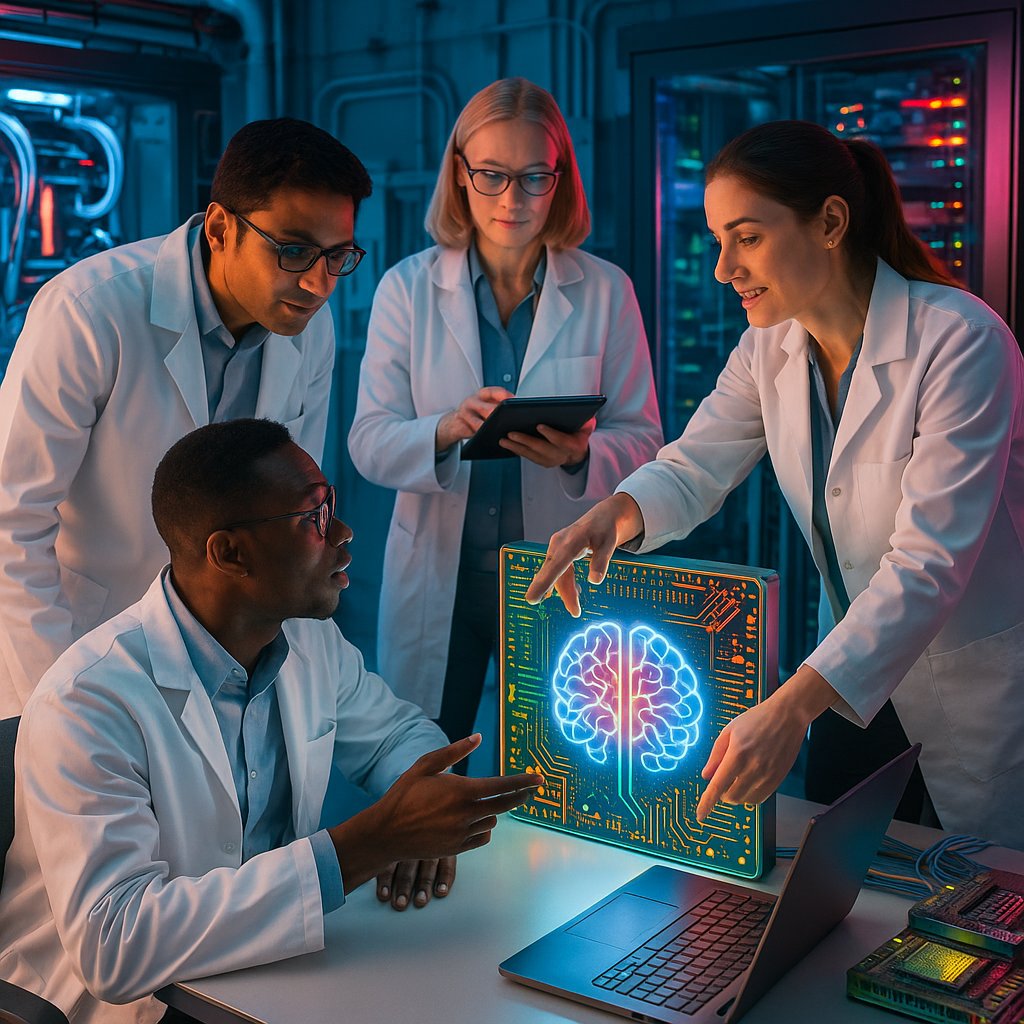
Cutting-Edge Brain Algorithms
Save Energy and Boost AI Efficiency
Revolutionising AI energy use with brain-inspired algorithms and neuromorphic computing
How Can Brain-Inspired Algorithms Save Energy and Boost AI Efficiency?
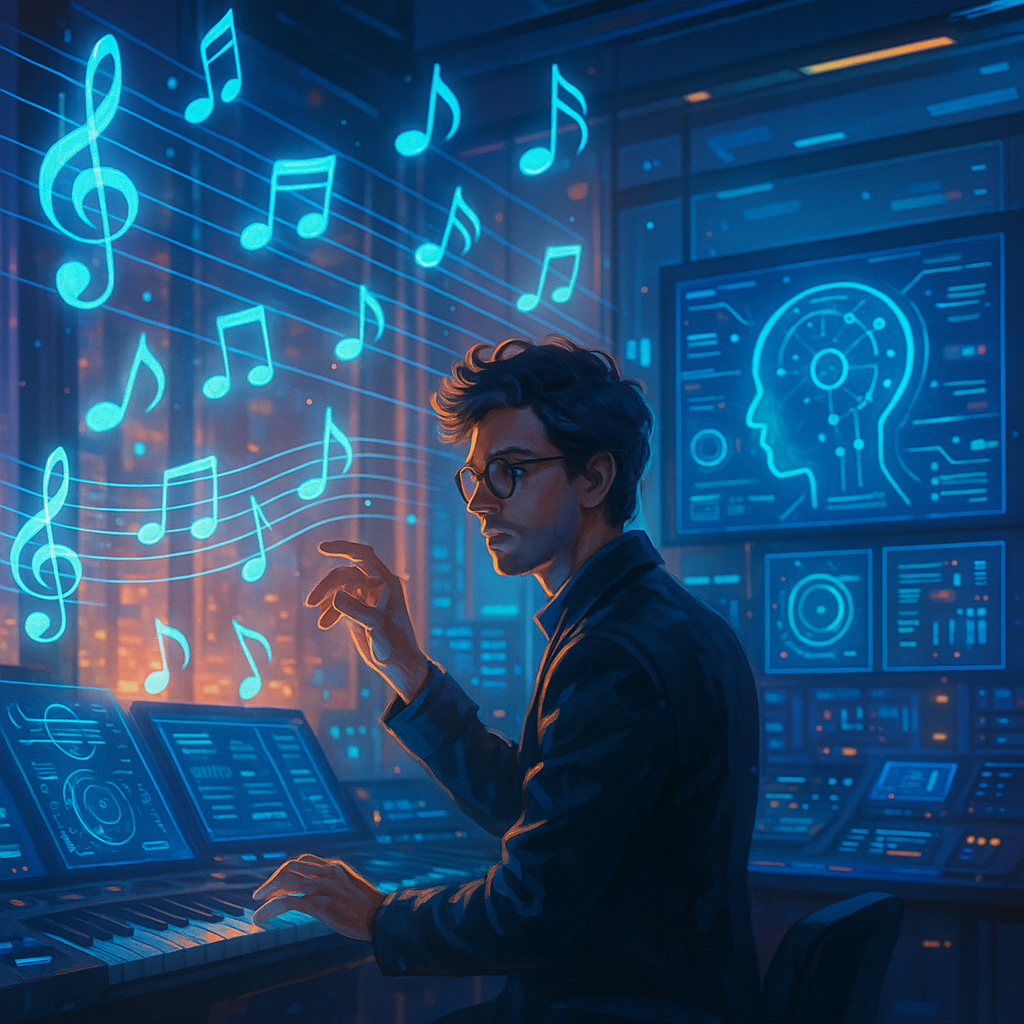
If you’ve ever wondered how to make AI smarter without guzzling electricity, brain-inspired algorithms might just be the answer. These cutting-edge approaches mimic how our brains process information — efficiently, with minimal energy. The key lies in moving computation closer to memory and using event-driven spiking models, which drastically reduce the energy AI systems consume.
I first encountered this concept during a late-night research session, scrolling through articles about neuromorphic computing. The idea that AI could learn and adapt like our brains, but with a fraction of the power, felt revolutionary. It promised a future where drones, robots, and wearable devices could operate longer and smarter without constant recharging or cloud dependence.
This blog will take you through my journey exploring these brain-inspired algorithms, the challenges they face, and the breakthroughs that could transform AI energy efficiency forever. Along the way, I’ll share insights from leading experts, real-world applications, and practical tips for anyone curious about the future of AI.
Have you experienced frustration with AI devices draining your battery too fast? Drop a comment below — I read and respond to every one.
Setting the Stage: Understanding the Energy Problem in AI
Before diving deeper, it’s important to grasp why AI energy use is such a hot topic. Modern AI models, especially deep neural networks (DNNs), require massive amounts of data shuttled back and forth between memory and processors. This “memory wall” is a major energy bottleneck.
Imagine trying to cook a meal but having to run back and forth to the fridge for every ingredient — that’s what current AI hardware often does. The brain, however, processes information near its “memory” with lightning speed and minimal energy, thanks to its unique architecture.
Neuromorphic computing aims to replicate this by designing hardware and algorithms that work together, using event-driven spiking neural networks (SNNs) that only activate when necessary. This approach promises to cut energy use dramatically, especially for tasks like real-time sensing or autonomous navigation.
My curiosity grew as I learned about these concepts. Could AI really become as energy-efficient as the human brain, which runs on just 20 watts? The journey to find out led me through fascinating research and inspiring breakthroughs.
When Challenge Meets Opportunity: The Energy Bottleneck in AI
The main challenge is clear: AI’s hunger for energy is growing exponentially. Language models have ballooned in size by about 5000 times in just four years, pushing data centres to consume gigawatts of power. In contrast, our brains operate on roughly 20 watts.
This energy demand isn’t just an environmental concern — it limits where and how AI can be used. Devices that rely on cloud computing need constant connectivity and power, making them unsuitable for remote or mobile applications.
During my research, I discovered that neuromorphic systems excel in event-driven tasks, like drones reacting to sudden changes or sensors detecting rare events. However, they currently struggle to match the accuracy of traditional DNNs in large-scale tasks like image recognition or language processing.
This trade-off sparked debates among experts: can brain-inspired AI ever fully replace conventional models, or will hybrid systems be the future? The answer seems to lie in combining the strengths of both.
Quick poll: Which AI energy-saving approach interests you most — neuromorphic hardware, spiking neural networks, or probabilistic training? Let me know in the comments!
Brain-Inspired Algorithms: Moving Computation Closer to Memory
One of the most promising strategies to reduce AI energy use is integrating processing with memory, known as in-memory or near-memory computing. This approach tackles the “memory wall” by minimising data movement.
At Purdue University, researchers emphasise that codesigning hardware and algorithms is essential. They advocate switching between traditional DNNs and neuromorphic networks depending on the task, optimising energy use without sacrificing performance.
I was fascinated by how this concept mirrors the brain’s architecture, where neurons and synapses work closely together. Implementing this in silicon requires innovative materials and device engineering, such as memristors and spintronic devices, which mimic synaptic behaviour.
For example, Penn State’s work on astrocyte-inspired spintronic devices aims to create hardware that not only processes information efficiently but also self-repairs and tolerates faults — just like biological brains.
Spiking Neural Networks: The Event-Driven Revolution in AI
Spiking neural networks (SNNs) represent a radical shift from traditional AI models. Instead of continuous signals, SNNs use sparse, time-based spikes to communicate, much like neurons firing in the brain.
This event-driven nature means SNNs only consume energy when processing meaningful information, making them ideal for low-latency, real-time applications like drones or wearable sensors.
During a demo I watched from Texas A&M’s Super Turing AI group, drones equipped with SNNs learned to navigate autonomously while consuming far less power than conventional AI systems. This on-device learning avoids the need for energy-intensive cloud retraining.
However, training SNNs remains challenging due to their non-differentiable nature. Researchers are developing surrogate gradient methods and probabilistic training to overcome this hurdle, with promising results.
Probabilistic Training Methods: Speeding Up Learning and Saving Energy
At the Technical University of Munich (TUM), a new probabilistic training method caught my attention. By selectively updating parameters based on their importance, this approach trains networks up to 100 times faster while using far less energy.
This method is particularly effective for dynamic systems and benchmark tasks, maintaining accuracy without the usual computational overhead.
I tried to imagine how this could impact AI development cycles — faster training means quicker deployment and less energy wasted on trial and error. For companies and researchers alike, this could be a game changer.
The Game Changer: Codesigning Hardware and Algorithms for Maximum Efficiency
The secret weapon in reducing AI energy use is the tight integration of hardware and algorithms. As Kaushik Roy from Purdue University puts it, “Codesigning the hardware and algorithms together is the only way to break through the memory wall.”
This means designing chips and software hand-in-hand, ensuring that each complements the other’s strengths. Neuromorphic chips like IBM’s TrueNorth and Intel’s Loihi 2 exemplify this approach, delivering ultra-low power consumption for specific AI tasks.
In my exploration, I learned that this codesign enables hybrid architectures that can switch between conventional DNNs and neuromorphic modes depending on the application’s energy budget and performance needs.
For instance, Apple’s on-device neural engines use similar principles to balance power and speed in smartphones, allowing AI features without draining the battery.
Voices of Authority: Insights from Leading Experts
Dr Suin Yi from Texas A&M highlights the motivation behind these brain-inspired approaches: “These data centres are consuming power in gigawatts whereas our brain consumes 20 watts.” This stark contrast drives the search for more efficient AI.
Kaushik Roy’s emphasis on codesign resonates deeply with my findings, reinforcing that hardware and algorithm development cannot happen in isolation.
Discovering these expert perspectives added depth to my understanding and validated the potential of neuromorphic computing to revolutionise AI energy efficiency.
Victory Lap: The Rewards of Perseverance in Brain-Inspired AI
Applying these brain-inspired algorithms and neuromorphic designs has already yielded impressive results. Some systems report up to 30% energy savings in real-world tests, while probabilistic training methods cut training time dramatically.
For me, the most exciting takeaway is the potential for AI devices to operate longer, learn on the fly, and function independently of cloud infrastructure. This opens doors for smarter drones, medical wearables, and IoT sensors that respect privacy and reduce environmental impact.
Reflecting on this journey, I see how blending biology, physics, and computer science can create AI that’s not just powerful but sustainable.
Burning Questions Answered: Your Expert Insights on Brain-Inspired AI
Q1: Can brain-inspired AI match the accuracy of traditional deep learning? Currently, neuromorphic systems excel in event-driven, low-latency tasks but lag in large-scale, high-accuracy applications. Hybrid models that switch between paradigms offer a practical path forward.
Q2: What are the biggest hurdles to widespread adoption? Challenges include lack of standard benchmarks, immature software toolchains, and fabrication issues with novel devices like spintronics and memristors.
Q3: How do these algorithms impact data centre energy use? Probabilistic training and efficient optimizers can reduce training energy significantly, easing the environmental footprint of large AI models.
Q4: Are there security concerns with edge AI? Yes, moving intelligence to edge devices raises privacy and adversarial attack risks, requiring robust security frameworks.
Q5: What does the future hold for brain-inspired AI? Expect advances in hybrid architectures, better training algorithms, scalable materials, and software ecosystems that make neuromorphic computing accessible to developers.
The Full Circle Moment: Embracing Brain-Inspired AI for a Sustainable Future
My exploration of brain-inspired algorithms has been a journey from curiosity to conviction. These approaches promise to reshape AI by making it more energy-efficient, adaptable, and autonomous.
The lessons learned highlight the importance of interdisciplinary collaboration and the need to rethink how we design AI systems from the ground up.
If we can harness the brain’s efficiency in silicon, the future of AI could be smarter, greener, and more responsive than ever before.
What if your next AI device could learn and adapt like your brain, without draining your battery? That’s the challenge — and the promise — of brain-inspired AI.
Your thoughts and experiences matter — have you encountered AI devices that drain power too quickly or struggle with real-time learning? Share your story in the comments below!
If this story sparked your interest, please give it a clap 👏 and follow me on LinkedIn, Twitter, and YouTube for more insights. Feel free to share this post with friends who care about AI and sustainability.
Thank you for joining me on this journey into the future of AI energy efficiency. Together, we can support smarter, greener technology that respects both our planet and our need for innovation.
메타데이터
- post_id
- 40561e080ddf
- slug
- cutting-edge-brain-algorithms-40561e080ddf
- url
- https://medium.com/ai-simplified-in-plain-english/cutting-edge-brain-algorithms-40561e080ddf
- canonical_url
- https://medium.com/ai-simplified-in-plain-english/cutting-edge-brain-algorithms-40561e080ddf
- author_url
- https://medium.com/@meisshaily
- status
- ok
- fetched_at
- 2026-08-06 09:19:48