TOXMAP
Turning Environmental Data into Responsive Architecture for Brownfield Redevelopment
TOXMAP
Turning Environmental Data into Responsive Architecture for Brownfield Redevelopment
By: Shannon Levkovitz, Jason Li, Tata Hirunviriya, Alex Ching-Chen Liu

Reactive Architectural Outcome
Overview TOXMAP proposes a more affordable and adaptable approach to environmental remediation in brownfield redevelopment by treating architecture itself as a tool for mitigating pollution. Using localized sensors, the system translates real-time toxin data into a responsive architectural surface, recognizing that every room experiences environmental risk differently. By tailoring interventions to specific spaces and pollutants, TOXMAP reframes remediation as an integral part of the design process rather than an external technical add-on.

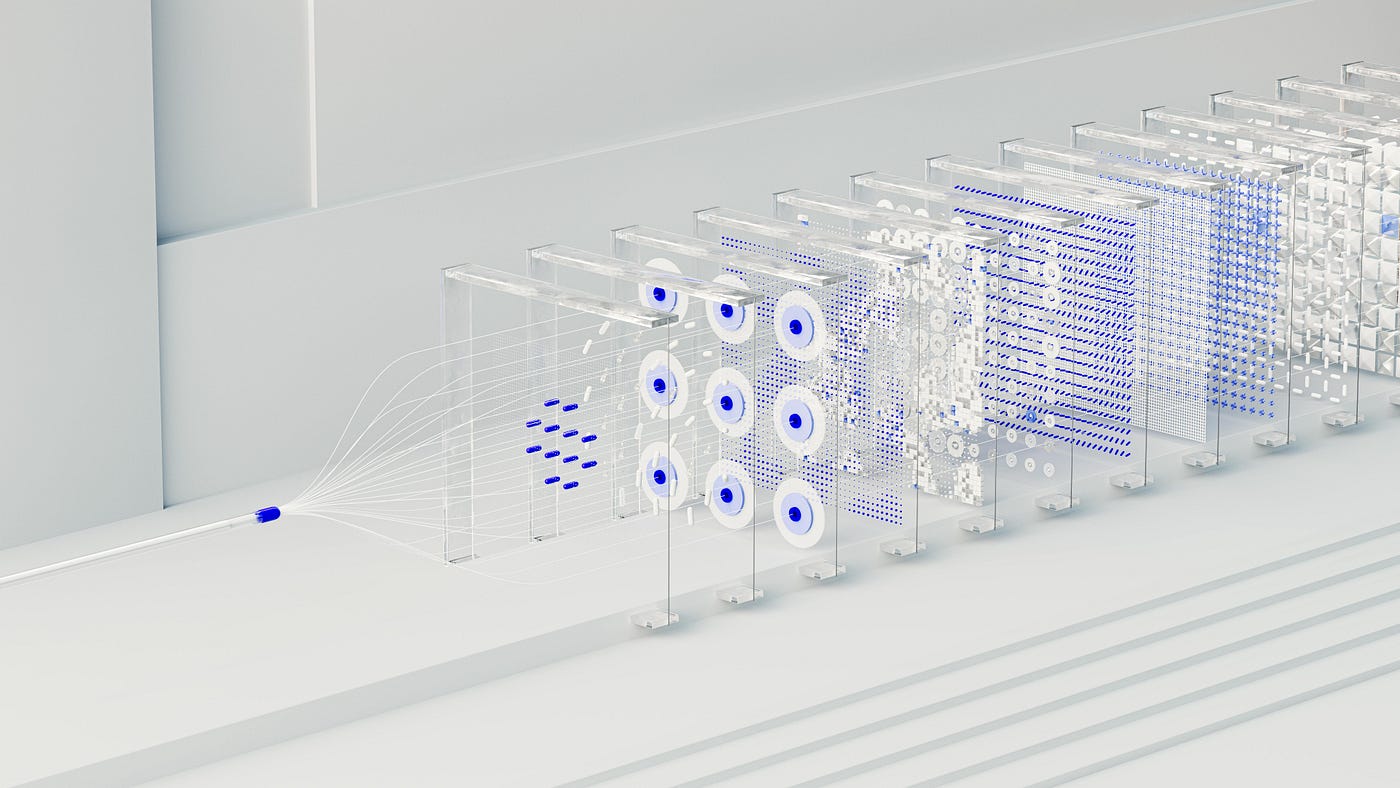
Wall Resolution and Sensor Topology
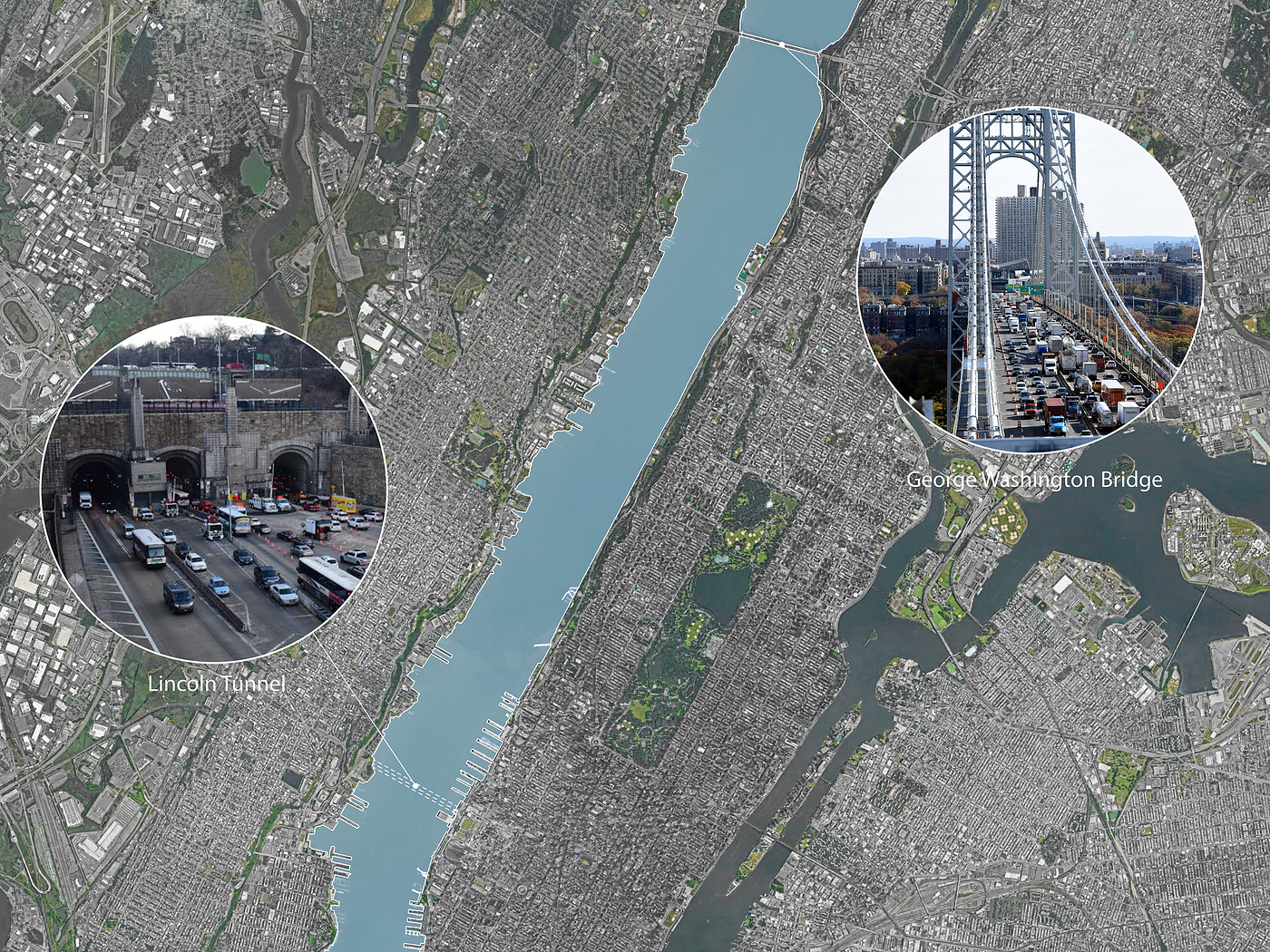
Problem Context As cities continue to expand, historic manufacturing and industrial zones are increasingly absorbed into residential and commercial development. Across the United States, over 450,000 brownfield sites represent nearly two trillion dollars in property value, yet many retain unresolved environmental legacies. In New York City, home to 85 Superfund sites, neighborhoods such as Gowanus have been rezoned to accommodate this shift, transforming former industrial land into prime real estate. While land use changes rapidly, pollutants often remain embedded, placing responsibility on developers and architects to ensure safe living conditions.
Environmental assessments in these contexts are frequently treated as compliance checklists rather than sources of spatial intelligence. Conventional remediation strategies rely on centralized air filtration systems that are costly, generalized, and poorly suited to the uneven distribution of contaminants within older structures. As a result, remediation efforts often remain expensive while failing to address the specific environmental conditions of individual spaces.
**Target Users **- Primary Users — Brownfield developers and adaptive reuse architects operating under EPA tax incentive programs and state-level remediation frameworks.
- Secondary Users — Residents of Section 8 and legacy housing disproportionately exposed to indoor pollutants.
Design Goal TOXMAP aims to close the gap between contamination detection and architectural action by creating a system that:
- Makes invisible toxins visible and spatially legible
- Converts air-quality data into geometric intelligence
- Generates material and formal responses tailored to localized conditions
- Supports safer adaptive reuse in brownfield redevelopment

Data Logic and Decision Flow
System Inputs The system integrates both environmental and spatial inputs:
- PM2.5 air quality data collected via distributed sensors
- Wall dimensions and panel grid resolution
- Sensor topology and spatial indexing
- Threshold values defining safe, poor, and toxic air conditions
Methodology TOXMAP functions through a combination of hardware and parametric design tools. The methodology follows a sequential workflow that moves from site identification to responsive architectural output.

System Workflow: From Detection to Regeneration
- Site and Room Identification The process begins by identifying a specific location within a brownfield redevelopment site where environmental intervention is needed. An individual room is selected, and its dimensions and wall surfaces are digitally scanned to establish spatial boundaries. This step recognizes that contamination varies not only across buildings, but from room to room.
- Sensor Placement and Hardware Setup Particulate matter sensors are distributed across the selected wall surface in a fixed grid, with each sensor responsible for capturing localized PM2.5 concentrations. The sensors are connected to an Arduino microcontroller, which continuously reads environmental data at a controlled sampling rate to ensure stable input. This hardware setup enables low-cost, real-time detection of airborne pollutants directly within the architectural space.
- Data Transfer and Live Streaming The Arduino aggregates the sensor readings and streams the data to a laptop via a USB serial connection. Using the Firefly plugin, Grasshopper receives live PM2.5 values and maintains a continuous data stream between the physical environment and the digital model. This step establishes a direct communication pipeline that allows environmental conditions to inform design without manual intervention.
- Data Mapping and Processing in Grasshopper Within Grasshopper, each sensor value is mapped to a corresponding point in a predefined wall grid, preserving the spatial relationship between physical measurements and digital geometry. Air quality values are then translated into geometric parameters, such as fillet radius and aperture size, which control the porosity of each panel unit.
- Generative Wall Output The system generates a responsive wall pattern that updates continuously as air conditions change. Higher pollutant concentrations produce tighter, less porous geometry, while cleaner air results in larger openings. The output is both visually legible and fabrication-ready.

Live Hardware–Software Integration

Grasshopper Definition — Data to Geometry
Outcomes and Application
TOXMAP transforms air quality from a background performance metric into an active design parameter. The system enables localized, precise responses to contamination rather than relying on generalized building-wide solutions. This model reduces unnecessary remediation costs while directly addressing the pollutants present in specific rooms and surfaces.
The system is applicable across a range of brownfield redevelopment contexts. Because TOXMAP is modular and customizable, it can be calibrated to different room sizes, sensor densities, and pollutant thresholds, allowing architects and developers to deploy targeted interventions that align with both health standards and budget constraints.
Most importantly, TOXMAP reframes architecture as an active environmental agent rather than a passive container. Instead of concealing pollution behind mechanical systems, the wall becomes a visible, responsive interface that participates in environmental repair. TOXMAP positions architectural design as a critical tool in mitigating the long-term effects of environmental degradation.
메타데이터
- post_id
- 407bc76b2fb3
- slug
- toxmap-407bc76b2fb3
- url
- https://medium.com/generative-design-course/toxmap-407bc76b2fb3
- canonical_url
- https://medium.com/generative-design-course/toxmap-407bc76b2fb3
- author_url
- https://medium.com/@tatahir
- status
- ok
- fetched_at
- 2026-06-15 20:49:13