Why Inflation Is Higher and More Persistent Than Expected
Inflation remains stubbornly high, applying pressure on stock markets and straining household budgets. This prolonged rise in the cost of…
Wealth Inequality
Why Inflation Is Higher and More Persistent Than Expected
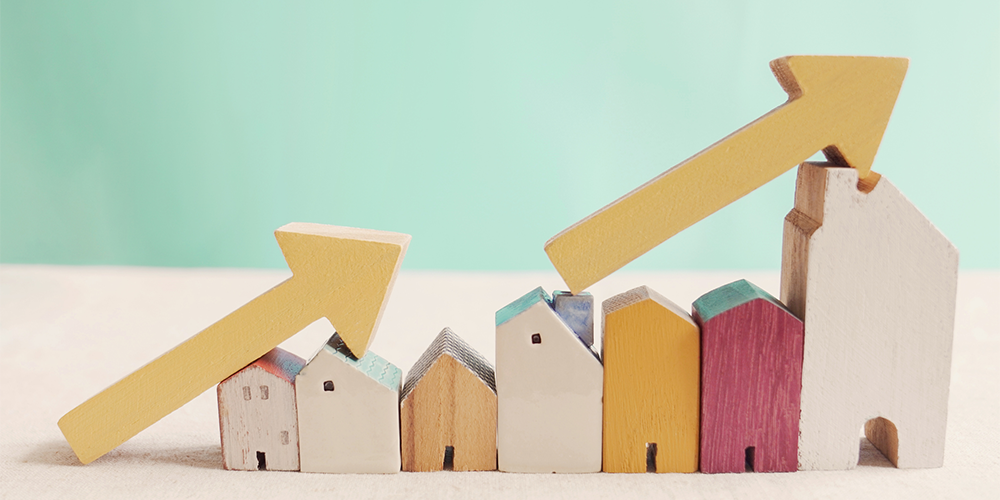
Inflation remains stubbornly high, applying pressure on stock markets and straining household budgets. This prolonged rise in the cost of living has led to mounting frustration among Americans and is expected to play a critical role in the upcoming U.S. presidential election. As the election approaches, politicians have been leaning on the blunt instrument of high interest rates to curb inflation, but it’s becoming evident that this approach is losing effectiveness. Instead, a shift toward structural solutions — like investing in AI, robotics, and the Internet of Things — will likely accelerate as the need to tackle inflation at its roots becomes unavoidable.
How Wealth Inequality Fuels Cost-Push Inflation
Wealth inequality has deepened globally, driven by an economy that increasingly favors financial gains over business earnings. The rich are getting richer, and traditional industries like manufacturing are losing ground to emerging sectors. But how does this inequality lead to cost-push inflation? Let’s unpack the key mechanisms:
1. Limited Access to Education
As education becomes less accessible for the economically disadvantaged, labor productivity declines. Many individuals are forced to leave the workforce, resulting in labor shortages and upward pressure on wages. In the U.S., the opioid crisis has exacerbated this issue, with many individuals becoming dependent on painkillers due to inadequate healthcare coverage. For those caught in addiction, returning to the workforce becomes an insurmountable challenge.
2. Increased Bargaining Power of Workers Post-Pandemic
Historically, the steady flow of immigrants from low-wage countries, such as Mexico, helped keep wages stable in the U.S. This dynamic reduced workers’ bargaining power, contributing to income stagnation. However, the labor shortages triggered by the COVID-19 pandemic shifted the balance of power in favor of workers. Wages skyrocketed as companies scrambled to retain employees. Once wages are raised, reversing them is nearly impossible. Even companies that avoided significant wage hikes initially were eventually forced to follow suit to remain competitive, further prolonging the wage inflation cycle.
This phenomenon isn’t limited to the U.S. In many countries, workers in declining industries like manufacturing have long struggled with low wages and poor bargaining power. The pandemic merely amplified their frustrations, leading to sharp increases in labor costs. Central banks, including the Federal Reserve, appear to have underestimated this latent discontent.
The Role of Housing Costs in Inflation
At the heart of today’s inflation is the surge in housing costs. Central banks aimed to cool the housing market by raising interest rates, increasing mortgage expenses. However, instead of declining, housing prices held firm, transferring the burden of higher interest rates directly to renters. While the shift toward remote work has driven up housing demand, wealthy individuals have also played a significant role. Consolidation in real estate markets — where a small group of affluent property owners control high-value areas — has further tightened supply.
Unlike past instances of price manipulation (e.g., the Hunt Brothers’ attempt to corner the silver market in the 1970s), housing markets today are influenced by the growing concentration of wealth. Wealthy investors now move their money into real estate, driving up prices with little regulatory pushback.
Global Dynamics: Resource-Rich Nations Fight Back
The U.S. has long benefited from its dominant position in the global economy. During the 2010s, low interest rates and technological leadership made American markets particularly attractive to investors. However, today’s aggressive rate hikes are pulling even more global capital into the U.S., creating resentment among other nations. Resource-rich countries, in particular, are fighting back by raising commodity prices, further fueling global inflation.
This situation creates a vicious cycle: a strong U.S. dollar makes commodities more expensive for other nations, increasing their inflationary pressures and amplifying the wealth divide between countries.

Inflation’s Political Fallout in the U.S.: The Case of Georgia
Georgia, one of the states hit hardest by inflation, serves as a microcosm of its broader political impact. In the 2020 election, President Biden won Georgia largely due to strong support from Black voters energized by the “Black Lives Matter” movement. However, rising living costs have eroded this support base. Recent polls show former President Trump leading Biden by 5.7% in Georgia. This highlights the growing urgency for politicians to address inflation as a top priority.

The Real Solution: Productivity, Not High Interest Rates
At its core, inflation stems from wealth inequality. While raising taxes on the wealthy may seem like an intuitive solution, the ripple effects often end up hurting lower-income groups. With the U.S. presidential election looming, policymakers are clinging to high interest rates as a quick fix, but this approach is proving inadequate.
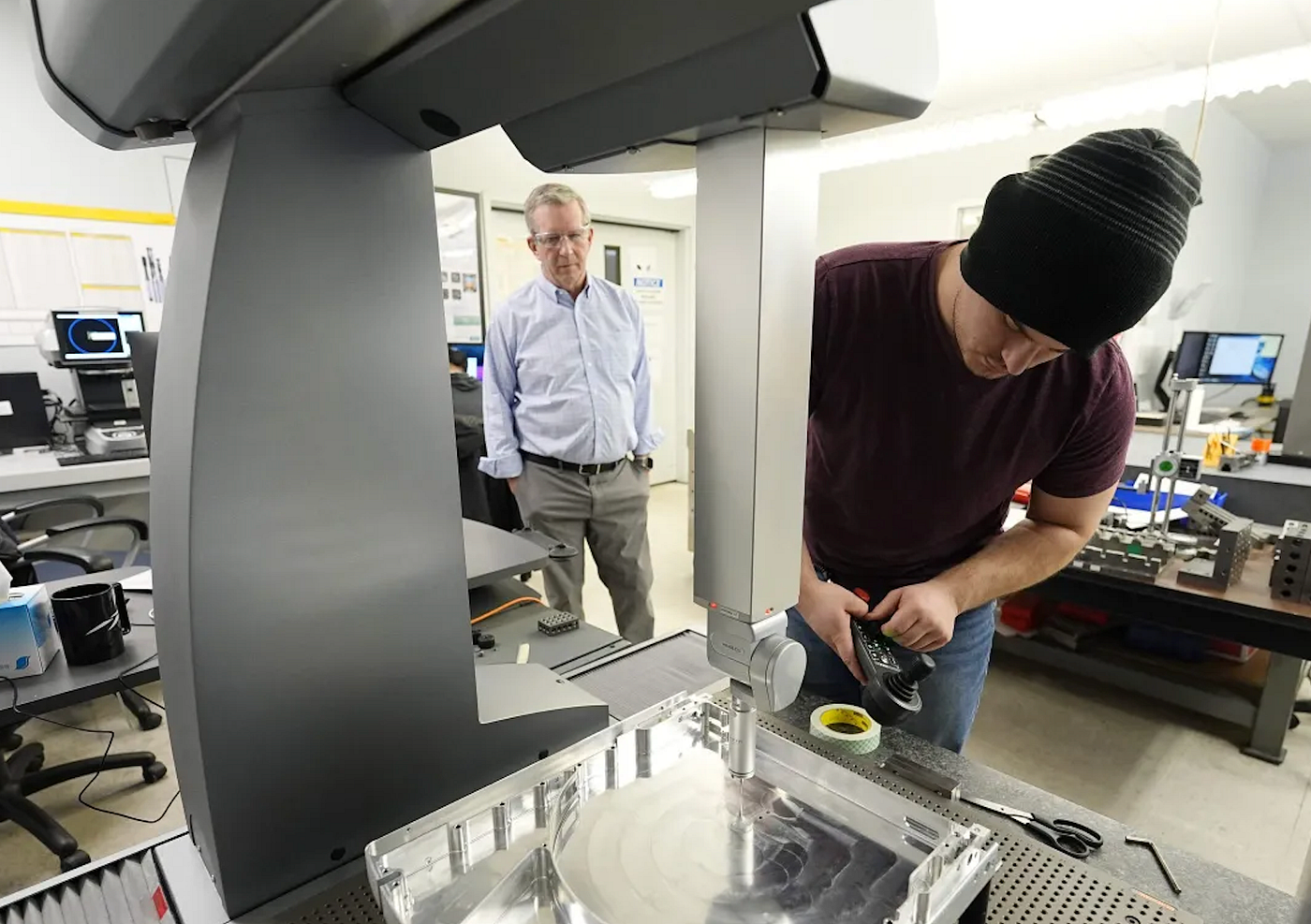
The real answer lies in transformative productivity improvements. Investments in smart infrastructure — AI, robotics, IoT, and other digital innovations — will not only curb inflation but also lay the foundation for long-term economic resilience. Policymakers will be forced to embrace these advancements, not out of ambition, but necessity, as failure to act could mean losing their hold on power.
The age of digital transformation is not a choice — it’s a survival strategy in the fight against inflation.

메타데이터
- post_id
- 4098b4ab82c4
- slug
- why-inflation-is-higher-and-more-persistent-than-expected-4098b4ab82c4
- url
- https://medium.com/@isaiahkimpro/why-inflation-is-higher-and-more-persistent-than-expected-4098b4ab82c4
- canonical_url
- https://medium.com/@isaiahkimpro/why-inflation-is-higher-and-more-persistent-than-expected-4098b4ab82c4
- author_url
- https://medium.com/@isaiahkimpro
- status
- ok
- fetched_at
- 2026-07-07 12:17:01





