Food as Information: What Our Gut Is Really Trying to Tell Us
Part 2 of 5 — The Mind-Body Series
Food as Information: What Our Gut Is Really Trying to Tell Us
Part 2 of 5 — The Mind-Body Series
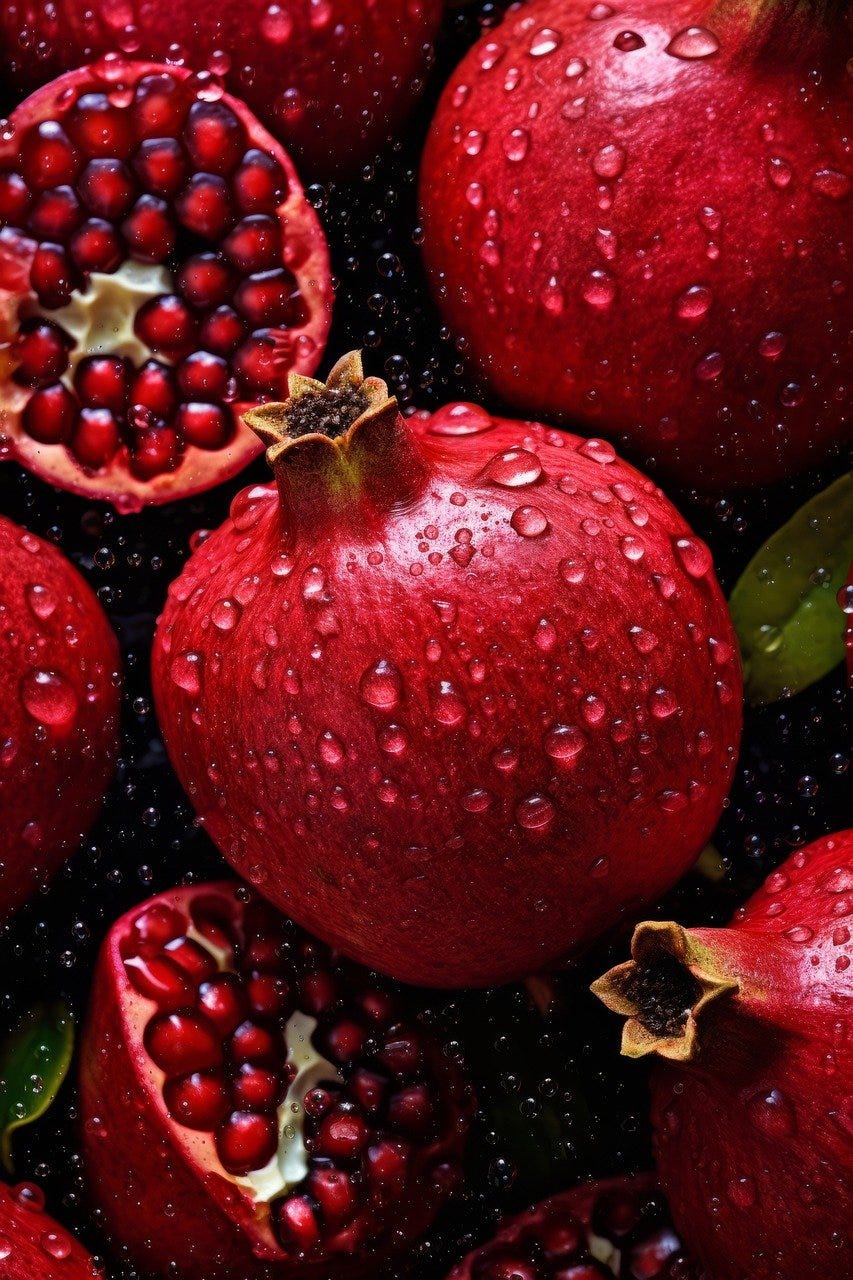
Photo by Jan Landau on Unsplash
The real story of what we eat isn’t happening on our plate — it’s happening in our gut.
A quick note before we dive in: I’m not a nutritionist. I’m just someone who’s spent the last ten-plus years eating a plant-based diet, reading everything I can get my hands on about gut health, and listening to far too many podcasts about nutrition and how we can support our bodies. This post is about what I’ve learned and noticed in my own life. It is not a prescription, and definitely not medical advice. Think of it as one curious person inviting you to get curious too.
For most of our lives, we’ve been taught to think about food in a fairly limited way. Calories in, calories out. Low fat. Low carb. High protein. Cut this, add that. It’s exhausting, and honestly, it misses the point entirely.
What if, instead of thinking about food as something to manage or restrict, we started thinking about it as information? Every single thing we eat sends a signal to our body — to our cells, our hormones, our immune system, and perhaps most importantly, to the trillions of microorganisms living in our gut. Those little organisms have a lot more influence over how we feel — physically and mentally — than most of us ever realised.
This post isn’t about convincing you to eat a certain way. It’s not a manifesto, and it’s not a meal plan. It’s an invitation to get curious about what’s going on inside you, and to discover, through our own experience, what makes us feel truly well.
Meet your Microbiome — Our Body’s Hidden World
Inside our gut right now, there are approximately 38 trillion bacteria. That’s more microbial cells in our body than human cells. For a long time, we thought of bacteria as something to fight, as something to wash off our hands and kill with antibiotics. But science has completely shifted this picture.
The community of microorganisms living in our digestive tract, called our gut microbiome, is now understood to be one of the most important ecosystems in our body. It influences our digestion, but also our immune system (roughly 70% of which lives in and around our gut), our inflammation levels, our metabolism, our skin, and our mental health and mood.
The gut is sometimes called the “second brain” — and for good reason. It contains 100 and 500 million neurons and communicates constantly with the brain via the vagus nerve, a long, wandering nerve that connects the two in an ongoing two-way conversation. When our gut is happy, that signal travels upward. When it’s struggling, meaning it’s inflamed, imbalanced, poorly fed — that signal travels upward too.
The diversity of our gut bacteria, and by that I mean how many different species we have living there, is one of the strongest indicators of overall health researchers have found. A diverse microbiome is a resilient one. And the single biggest factor influencing that diversity is what we eat.
Why Fibre Is the Real Hero of Our Plate
Here’s something that changed how I think about food: our gut bacteria don’t eat what we eat. They eat what we don’t digest. And the thing they love most and thrive on is fibre.
Fibre is a type of carbohydrate found exclusively in plant foods like vegetables, fruits, legumes, whole grains, nuts, and seeds. Our body can’t break it down, so it passes through to our large intestine mostly intact. And that’s exactly where our gut bacteria are waiting for it. They ferment the fibre, breaking it down and producing short-chain fatty acids (compounds like butyrate, acetate, and propionate).
Short-chain fatty acids:
- Feed and repair the cells lining our gut wall, keeping the barrier strong and intact
- Reduce inflammation throughout the body, including in the brain
- Help regulate blood sugar, keeping our energy stable between meals
- Support the production of serotonin and other neurotransmitters that regulate mood
- Help us feel full and satisfied for longer, by slowing digestion and signalling satiety hormones
That last point is worth pausing on. One of the most common complaints people have is that they’re hungry shortly after eating, or that they can’t stop snacking. Very often, this is a fibre issue. A meal built around plants, vegetables, beans, and whole grains keeps us fuller for longer because the fibre physically slows the movement of food through our digestive system, and because our gut bacteria are busy and well-fed. A meal built around processed foods, refined carbohydrates, and sugar provides almost no fibre, so our blood sugar spikes and crashes, and an hour later, we’re hungry again.
Most people in Western countries eat around 15 grams of fibre per day. The recommended amount is 30 grams. Our ancestors, eating wild and varied plant foods, likely consumed closer to 100 grams. Our gut bacteria evolved expecting that abundance, and many of them are now starving.
The Power of Plant Diversity: More Variety Means More Benefit
It’s not just about eating more fibre; it’s about eating a wide variety of plants. Different plant foods contain different types of fibre, and different types of fibre feed different species of gut bacteria. The more varied our plant intake, the more diverse our microbiome. Diversity, as we’ve established, is the goal.
One concept that has gained significant attention in the nutrition world — championed by researchers like Professor Tim Spector and backed by large-scale studies including the American Gut Project — is the idea of eating 30 different plant foods per week. Before that number makes you panic, here’s the good news: “plants” in this context includes everything from vegetables and fruits to herbs, spices, nuts, seeds, legumes, and whole grains. A pinch of cinnamon counts, a handful of walnuts counts, the variety of plants in a homemade soup counts.
The research found that people who ate 30 or more different plant foods per week had significantly more diverse gut microbiomes than those who ate 10 or fewer, regardless of whether they were vegan, vegetarian, or omnivore. It’s not about cutting anything out. It’s about adding more variety.
I find this approach genuinely freeing. Instead of thinking about what I shouldn’t eat, I think about how much variety I can pack into the week. It turns eating into a kind of curious, creative experiment. What haven’t I eaten recently? What’s in season? What can I add to this meal to make it more interesting?
Listening to the Signals Our Gut Is Sending
This is the part I find most fascinating, but it’s also the part I think gets skipped over most often.
Our gut isn’t just a silent organ quietly doing its job in the background. It’s constantly sending signals through that vagus nerve connection, hormones, inflammation, mood, energy, focus, sleep, skin, and yes, digestion itself. The question is whether we’re paying attention.
Bloating after meals. Energy crashes an hour after eating. Brain fog in the afternoon. Skin flare-ups. Feeling unusually low or anxious for no obvious reason. Cravings that show up like clockwork. None of these is random, and none of them are things we just have to live with. They’re our gut, talking.
Here’s where my own experience comes in. Over ten years of eating this way, one of the biggest shifts hasn’t been about following a particular set of rules; it’s been learning to pay attention. After a meal, checking in: do I feel energised or sluggish? Clear-headed or foggy? Satisfied or already thinking about my next snack? That feedback is real, and it’s specific to each of us. It’s available every single day if we pause long enough to listen.
This is also where the gut-mood connection becomes so important. About 90% of our serotonin is produced in the gut, not in the brain. Which means when our gut is inflamed, imbalanced, or under-fed, it’s not just our digestion that suffers. Our mood, our stress resilience, our mental clarity are all downstream of what’s happening in there. A rough night’s sleep, a stressful week, a gut that’s been running on processed food for too long — these all show up as signals, if we’re listening.
I’m not suggesting to track every meal or turn eating into another thing to obsess over — that would defeat the whole purpose. It’s more about building a habit of curiosity. Notice patterns over weeks, not minutes. Get familiar enough with how your own body responds, so you start to recognise your own signals before they get loud.
Where to Start — Small Shifts, Big Difference
You don’t need to overhaul anything. Here are some genuinely small things that make a real difference over time:
- Add, don’t subtract. Instead of removing foods, focus on crowding your plate with more plants, more vegetables, more legumes, more variety.
- Eat the rainbow. Aim for as many different colours on your plate as possible across the week. Each colour adds different benefits.
- Count plants, not calories. Try keeping a loose mental tally of how many different plants you eat in a week. Herbs and spices count, and so does that handful of mixed seeds on your salad.
- Cook at home when you can. Not because it has to be elaborate, but because you know exactly what goes in. A simple homemade soup or stew with a variety of vegetables and legumes is one of the most nourishing things you can eat.
- Notice how you feel. After meals, check in with yourself. Energised or sluggish? Clear or foggy? Satisfied or craving more? Your body will tell you what’s working.
- Be curious, not rigid. Try a new vegetable, a new recipe, a new grain. Explore. There are no rules here, only discoveries.
A Final, Honest Note
I’ve been mostly plant-based for over ten years now, and I’m still learning. It hasn’t always been linear, and I’m not here to tell you it’s the only way to eat, and I’m not qualified to make that call anyway. What I can share is this: the more I’ve paid attention to my gut, to fibre, variety, how different meals make me feel, the more I’ve started to understand my own body’s language.
When I eat in a way that genuinely nourishes me, like home-cooked meals, lots of vegetables and legumes, variety and colour on my plate, I feel a difference in my energy, mood, focus, and my digestion. It’s not dramatic or overnight. It’s cumulative, and deeply worth it.
Our gut is working hard for us, every single day. Feed it well, listen to it, and it will return the favour.
Eat with curiosity, cook with care, and trust what your body is telling you.
메타데이터
- post_id
- 40ddd62f30eb
- slug
- food-as-information-what-our-gut-is-really-trying-to-tell-us-40ddd62f30eb
- url
- https://medium.com/@create.with.intention/food-as-information-what-our-gut-is-really-trying-to-tell-us-40ddd62f30eb
- canonical_url
- https://medium.com/@create.with.intention/food-as-information-what-our-gut-is-really-trying-to-tell-us-40ddd62f30eb
- author_url
- https://medium.com/@create.with.intention
- status
- ok
- fetched_at
- 2026-06-20 20:29:01