How to Size a Compound Bow: A Simple Guide for Beginners
Sizing a compound bow might seem challenging, but it’s easier than you think. Whether you’re a beginner or looking to improve your…
How to Size a Compound Bow: A Simple Guide for Beginners
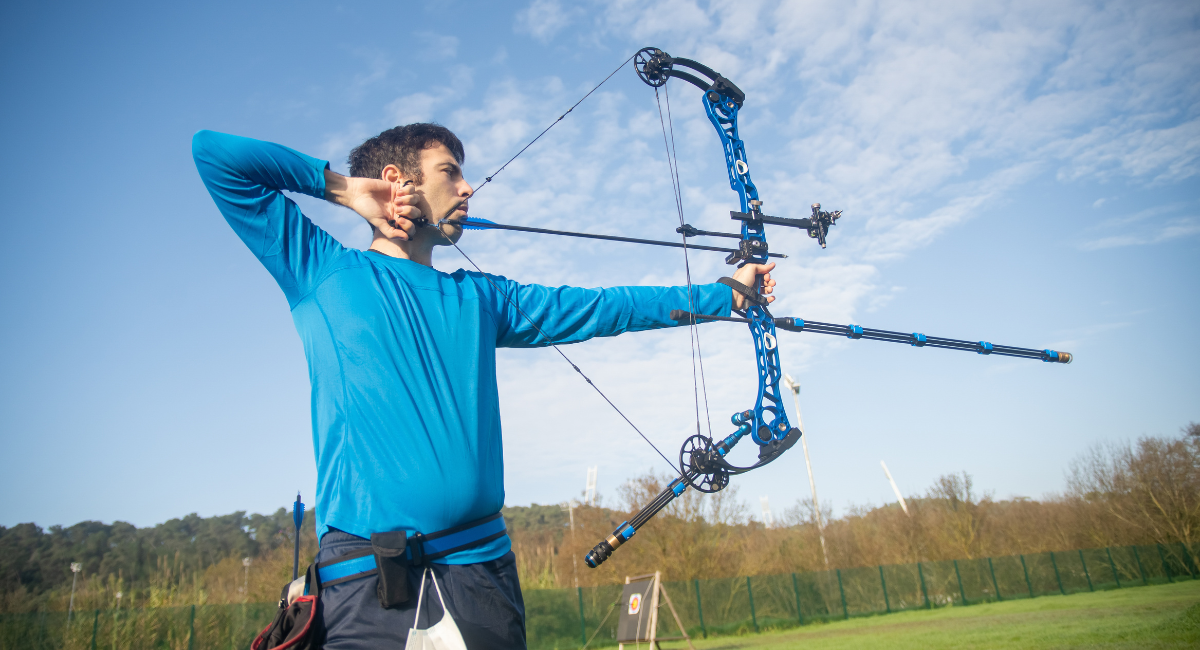
Sizing a compound bow might seem challenging, but it’s easier than you think. Whether you’re a beginner or looking to improve your bow-hunting game, getting the right size is crucial for accuracy, comfort, and performance. This guide will help you understand how to size a compound bow in a straightforward, beginner-friendly way. Let’s dive into the essentials!
Why Is Sizing a Compound Bow Critical?
Correct sizing affects how you handle the bow, shooting accuracy, and overall comfort. If your bow is too small or too large, it can lead to inaccurate shots and strain your muscles. Proper sizing ensures a smoother and enjoyable archery experience.
Key Measurements for Sizing a Compound Bow
When sizing a compound bow, you’ll need to consider a few main measurements: draw length and draw weight.
1. Understanding drawing length
Draw length is the distance between the grip and the string when at full draw. It’s a crucial measurement because it directly impacts your shooting accuracy and comfort. If the draw length is too short or too long, your form will suffer, making it difficult to aim consistently.
How to Measure Draw Length
To measure your draw length, try this simple method:
- Stand naturally with your arms extended outward in a “T” shape.
- Measure from fingertip to fingertip (span of both arms).
- Divide that number by 2.5 to get your approximate draw length in inches.
For example, if your wingspan is 70 inches, your draw length should be about 28 inches (70 ÷ 2.5 = 28). Many archery shops offer draw length measurement services, so if you’re unsure, get professional help.
2. Choosing the Right Draw Weight
Draw weight is how much force is required to pull back the bowstring to full draw. Different archers require different draw weights depending on their strength, experience level, and intended use.
- Beginners and younger archers: 15–30 pounds
- Adults with medium strength: 40–55 pounds
- Experienced and strong archers: 60+ pounds
For hunting, a draw weight of at least 40 pounds is generally recommended, as it provides the power needed to ensure clean, ethical shots. However, if you’re shooting for sport or practice, a lower draw weight can be more comfortable.
Steps to Size a Compound Bow for Yourself
Once you know your draw length and draw weight, follow these steps to ensure a properly sized compound bow.
Step 1: Find a Bow with an Adjustable Draw Length
Compound bows offer adjustable draw lengths. This feature is useful for growing archers or those who are still refining their ideal measurements. Adjustable bows allow for more flexibility without requiring to replace your bow every time your form improves.
Step 2: Test Different Draw Weights
Visit an archery shop or shooting range to test various draw weights. Start with a lower weight and work your way up until you find a comfortable weight that allows you to pull back smoothly without excessive strain.
Step 3: Check the bow’s Axle-to-Axle Length
Axle-to-axle length is the distance between the two cams (or pulleys) at each end of the bow. Longer bows are generally more forgiving, meaning they’re easier to shoot accurately, making them suitable for beginners and target archers. Shorter bows are better for hunting because they’re more compact and easier to maneuver in tight spaces.
Tips for First-Time Compound Bow Buyers
Choosing a compound bow for the first time can feel overwhelming. Here are some handy tips.
- Seek professional help: Archery shops offer valuable expertise and can assist you with measurements, fitting, and even test-shooting.
- Go for adjustable bows: If you’re still unsure of your exact draw length, start with an adjustable bow.
- Consider the bow’s purpose: Are you interested in hunting or target shooting? This choice will impact the ideal axle-to-axle length and draw weight.
FAQs About Sizing a Compound Bow
What happens if my draw length is too long?
If your draw length is too long, you may overextend your arm, which can lead to poor shooting form and accuracy issues. It can also strain your muscles.
Can I change my bow’s draw length?
Yes, many compound bows come with different draw lengths. You can adjust it yourself or have a professional do it. Adjustable bows are ideal for beginners who are still finding their suitable draw length.
Is a higher draw weight always better?
Not necessarily. A higher draw weight can deliver more power, but also requires strength. Beginners should start with a lower draw weight to ensure proper form and avoid fatigue.
How can I tell if my bow is the right size?
When you’re at full draw, your arm should be relaxed, and your hand should rest comfortably on your face. If you’re struggling to pull the string or feel uncomfortable holding it, the bow might not be the right size.
Final Thoughts
Getting the right size for your compound bow is the key to mastering archery comfortably and accurately. By measuring your draw length, selecting an appropriate draw weight, and understanding the type of bow that suits your needs, you’ll be well on your way to enjoying this fantastic sport.
If you’re interested in learning more about archery equipment or need additional guidance, check out our comprehensive guide on **How to Size a Compound Bow on [BowRatings.com](http://BowRatings.com)** for even more tips and resources.
Remember, the right bow size can make a big difference in your experience, so take your time finding the correct fit. Happy shooting!
메타데이터
- post_id
- 4107c4709b70
- slug
- how-to-size-a-compound-bow-a-simple-guide-for-beginners-4107c4709b70
- url
- https://medium.com/@bowratings/how-to-size-a-compound-bow-a-simple-guide-for-beginners-4107c4709b70
- canonical_url
- https://medium.com/@bowratings/how-to-size-a-compound-bow-a-simple-guide-for-beginners-4107c4709b70
- author_url
- https://medium.com/@bowratings
- status
- ok
- fetched_at
- 2026-08-01 00:10:58