The Memory Machine: Dan Rizzuto on Closed-Loop BCIs, DARPA, and the Long Road to Restoring What We…
Dan Rizzuto has spent more than two decades at the intersection of human memory, brain stimulation, and clinical neuroscience. He started…
The Memory Machine: Dan Rizzuto on Closed-Loop BCIs, DARPA, and the Long Road to Restoring What We Lose
Dan Rizzuto has spent more than two decades at the intersection of human memory, brain stimulation, and clinical neuroscience. He started his career decoding the brain signals that underlie how we form and retrieve memories, trained in motor BCI at Caltech, ran clinical neuromodulation trials for depression… and then got a call in 2014 that changed everything.
His doctoral advisor Mike Kahana had just been awarded $20 million from DARPA to do the thing they had always talked about. Together, they built the foundational research that became Nia Therapeutics, a company developing what may be the first closed-loop cognitive prosthetic ever to receive FDA Breakthrough Device Designation. The indication: Traumatic brain injury-related memory loss, a condition affecting millions of people who currently have no meaningful treatment options.
We sat down with Dan to talk about where Nia sits in the BCI landscape, what that DARPA research actually unlocked, why he is not interested in the cognitive enhancement market yet, and what the next few years hold for neurotech broadly.
Interview by Chay Carter, founder of Carter Sciences and Reccy Neuro.
[embed]
“We went from asking can we move a cursor in a few patients, to asking can we restore memory in potentially millions of patients. The journey in between has been breathtaking.”
You started in basic memory research, then moved into motor BCI, then clinical neuromodulation — and now you are building a cognitive prosthetic. That is a lot of thread-pulling. How does it all connect?
It probably looks more deliberate from the outside than it was. I did my doctoral work at Brandeis studying human memory, specifically the brain signals that underlie how we store and retrieve information. Then I went to Caltech for my postdoc, which was pure motor brain-computer interfaces (BCI), decoding movement intention from neural activity. That is where I made the shift from basic research to applied.
When I finished my postdoc, I was looking around and there were not exactly ten BCI companies I could walk into. So I ended up at Northstar Neuroscience in Seattle, doing clinical neuromodulation for major depression, stimulating dorsolateral prefrontal cortex. That is where I caught the neurotech bug properly. We had patients who had been severely depressed for years, could not get out of bed, and some of them went into remission. That changes you. It tells you this is where you need to be.
Then in 2014, Mike Kahana, my doctoral advisor, called me and said he had just received $20 million from DARPA to do the project we had always dreamed of: Using brain stimulation to modulate memory. Before that, we had been using recordings to understand memory, but we never had the resources for a serious stimulation study. So I moved from Seattle to Philadelphia to join him at Penn. We led the DARPA RAM project together, recording and stimulating from more than 400 patients who had implanted electrodes as part of their epilepsy workup. That is where we built the foundational technology for closed-loop neurostimulation to treat memory loss. Everything that Nia is built on came from that project.
Walk us through how the device actually works. You have described it as a mix of implantable and wearable components. What does that look like in practice?
The core of the system is a skull-mounted implant that senses brain activity and decodes it using machine learning algorithms. When it detects periods of poor cognitive performance, it delivers a gentle electrical stimulation to nudge the brain back into a state of better function. That is the closed-loop part.
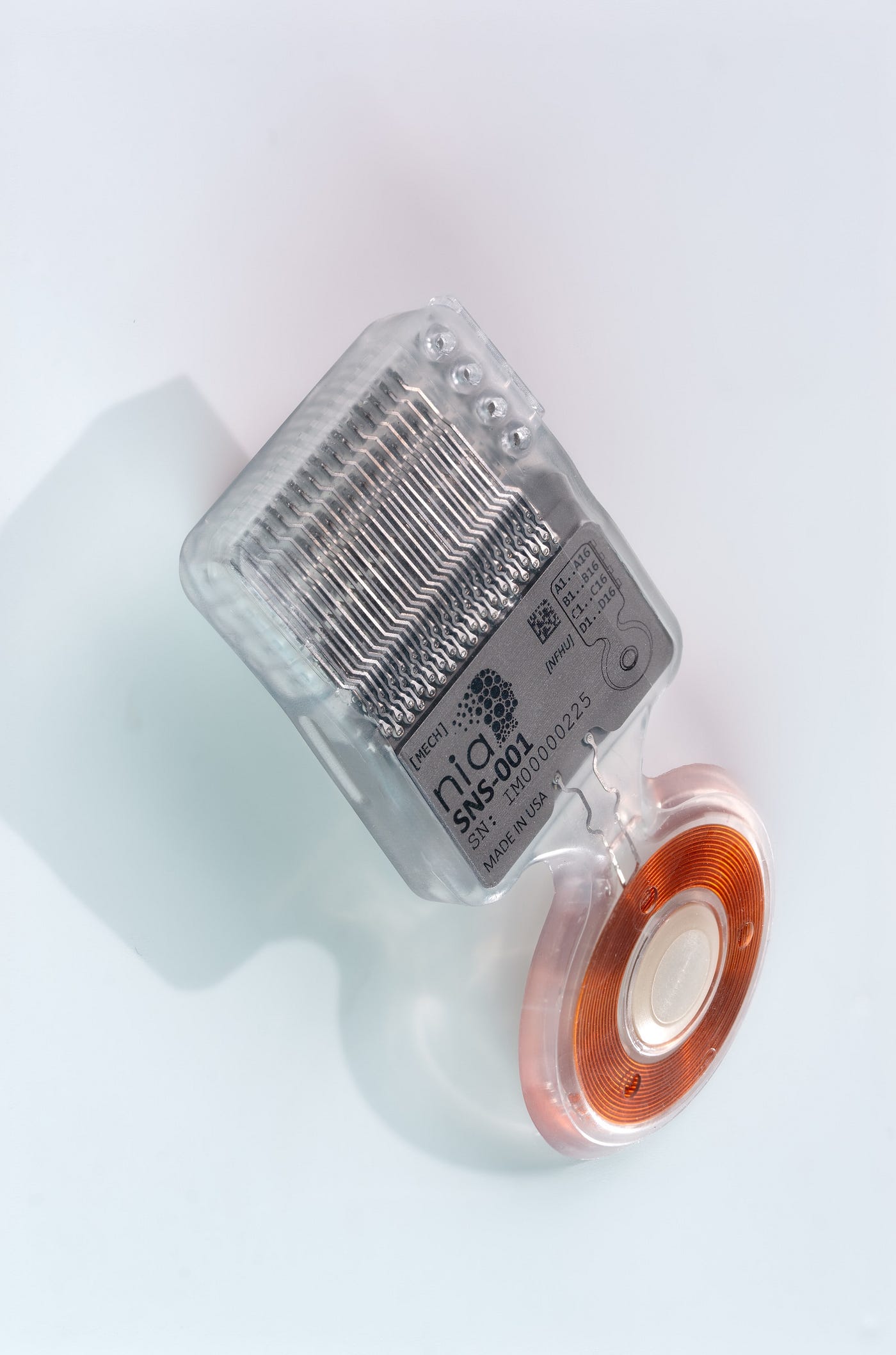
Nia Therapeutics’ neural implant
But the device also includes a wearable earpiece, similar in concept to a cochlear implant sound processor. If you have ever seen someone with a small coil on their head and a behind-the-ear piece, that is what cochlear implants look like. We borrowed from that playbook. The earpiece carries the battery and provides wireless power to the implant. It also acts as a communication hub, syncing the neural recordings up to the cloud.
The cloud is really where the heavy lifting happens. It crunches the data, builds a personalised therapy profile for each patient, and then embeds that therapy back into the implant, which then runs autonomously under physician oversight. So it is implant, earpiece, and cloud-based software working together. The device senses, the cloud thinks, and the implant acts.
You received FDA Breakthrough Device Designation for TBI-related memory loss. What does that actually mean for a company at your stage, and how did you get there?
First, it is worth being clear: This is not an FDA approval. It is a fast lane into clinical development. What the FDA has essentially indicated is that there is an unmet need, that patients with traumatic brain injury (TBI)-related memory loss have no good alternatives, and that they are committed to a more interactive review process with us. No more 90-day turnarounds when we ask a question. We get a direct line to the review team. For a small company, that changes everything.
And this is a genuine first. No company building a cognitive prosthetic has ever received this type of designation before. The FDA is taking cognitive BCIs seriously as a therapeutic pathway. That alone is a signal worth paying attention to.
What comes next is an IDE, an Investigational Device Exemption, which allows us to run our first-in-human early feasibility study in a small cohort of TBI patients with memory loss. We are preparing for that now.
“The consumer appetite for cognitive enhancement is real. It reflects a genuine unmet need. But right now, our devices are only suitable for patients with serious, debilitating disorders.”
There is a lot of noise in the cognitive enhancement space, direct-to-consumer tDCS devices, wearable EEG, apps that claim to boost memory. Where do you sit in relation to all of that?
The appetite is real. There is clearly a demand, and it reflects genuine unmet need. But a lot of the direct-to-consumer cognitive market is built on quicksand. These transcranial direct-current stimulation (tDCS) companies point to hundreds of academic tDCS studies, but none of their own data actually supports the efficacy of their specific device. That is a problem.
And there is a downstream cost to it. When patients who have real neurological conditions are looking for treatments, it becomes harder for them to find the options that are actually validated and will actually help them. That noise does real damage.
Nia is a Class III medical device. We are going to be rigorously evaluated by the FDA based on our data. Could our technology eventually inform something in the consumer space? Possibly. We will have incredible learnings from having a BCI that stores rich, accessible data over time. But that is a long way off. You have to get efficacy first. That is what we are building now.
You have been in this field for over 20 years. What does it look like now compared to when you started?
It is almost unrecognisable. When I started at Caltech in the early 2000s, there were no BCI startups. There was Cyberkinetics, one company at the very forefront of motor BCIs. That was the whole field. There were very few neurotech startups at all when you looked across the broader space.
Now you have multiple closed-loop neuromodulation systems on the market. Every company is talking about AI-driven therapy personalisation. We have actual FDA pathways for cognitive prosthetics. The field went from, “can we move a cursor in a handful of patients?” to, “can we restore memory in potentially millions?”. The explosion of companies has been breathtaking to watch.
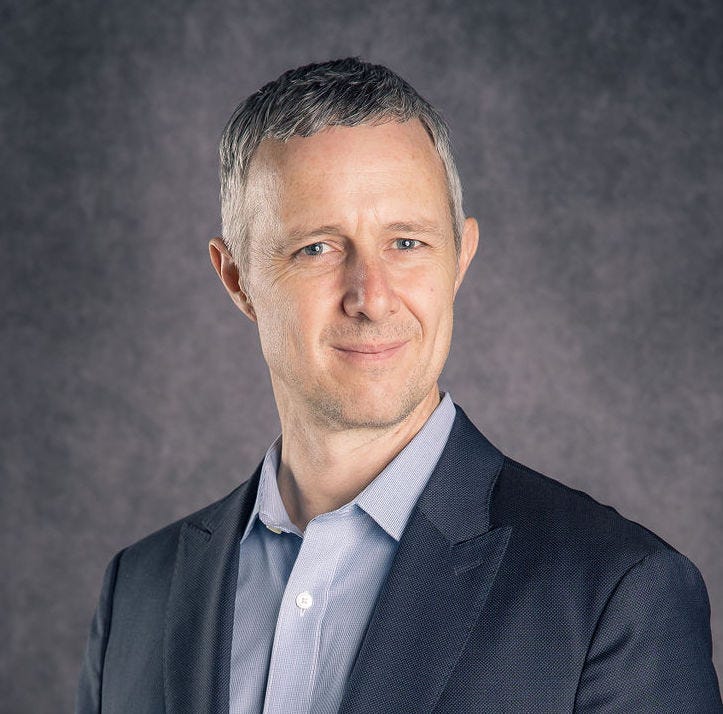
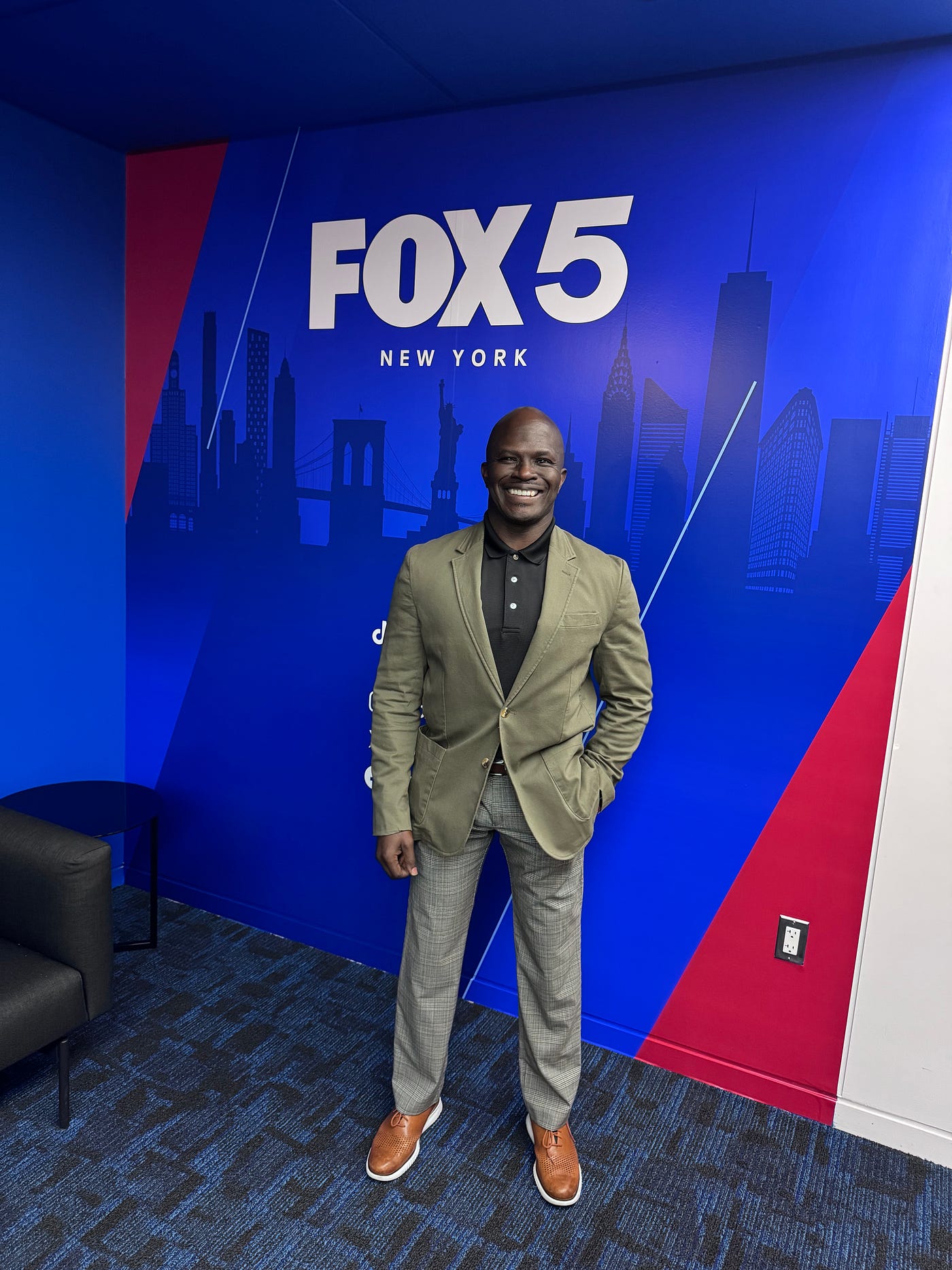
Dan Rizzuto is President and CTO at Nia Therapeutics
What excites me most right now, outside of what we are building at Nia, is the new modalities coming through. Focused ultrasound is fascinating. Endovascular approaches for both recording and stimulation are opening up. There is a real translation happening from academia to industry across all of these spaces. Not everything is going to work out, but there will be real winners, and I am excited just to see it unfold.
What is next for Nia, and why does it matter?
We are working through our Series A process to fund that first clinical trial. Fundraising is never easy, but we believe in what we are building and we are confident we can get there.
The thing that keeps everyone at Nia going is the patients. Memory loss is devastating. Right now, these people have no real options. No drug that meaningfully slows progression, no device that intervenes in the underlying process. We feel fortunate to be doing this work. And I think the next few years, both for Nia and for neurotech more broadly, are going to matter a lot more than most people currently realise.
Interview by **Chay Carter for [NeuroTechX](https://neurotechx.com/)’s Content Laboratory**.
Chay Carter has 20 years of recruitment experience across London, New York, and Los Angeles. Since 2020, he has specialised in life sciences recruitment, with a growing focus on neurotechnology. In 2025, he founded Carter Sciences to support early-stage companies in neurotech and related fields with flexible, cost-conscious hiring strategies.
메타데이터
- post_id
- 410926c50fbe
- slug
- the-memory-machine-dan-rizzuto-on-closed-loop-bcis-darpa-and-the-long-road-to-restoring-what-we-410926c50fbe
- url
- https://medium.com/neurotechx/the-memory-machine-dan-rizzuto-on-closed-loop-bcis-darpa-and-the-long-road-to-restoring-what-we-410926c50fbe
- canonical_url
- https://medium.com/neurotechx/the-memory-machine-dan-rizzuto-on-closed-loop-bcis-darpa-and-the-long-road-to-restoring-what-we-410926c50fbe
- author_url
- https://medium.com/@neurotechx
- status
- ok
- fetched_at
- 2026-06-09 15:37:30