Ink Wars, Episode 5.2 — Return of the Brackets
GENEVA, 8 AUGUST 2025: If the Intergovernmental Negotiating Committee on plastic pollution had a face, it would mirror mission commander…
Ink Wars, Episode 5.2 — Return of the Brackets
To escape the time-draining trap of line-by-line negotiations, the plastics treaty talks need a new approach — and fast.
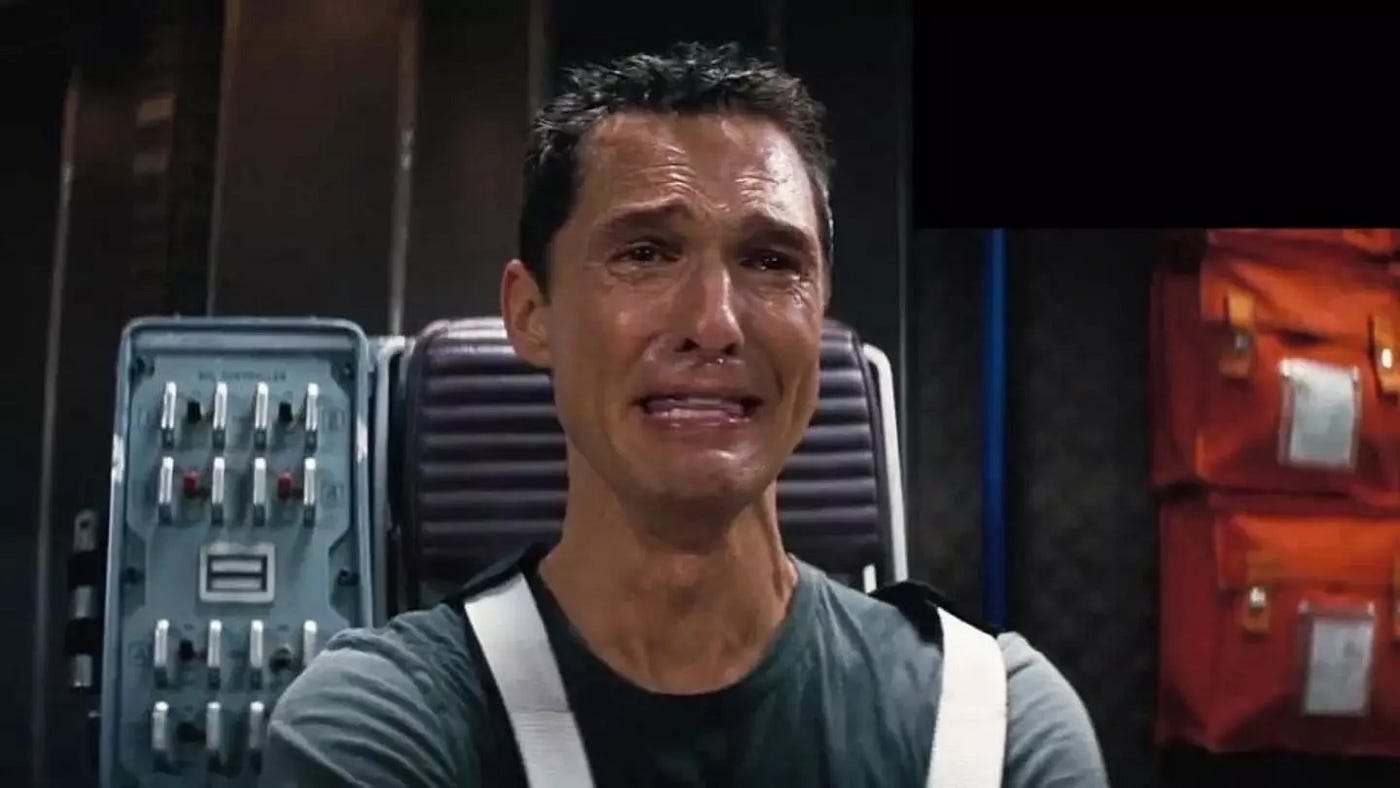
GENEVA, 8 AUGUST 2025: If the Intergovernmental Negotiating Committee on plastic pollution had a face, it would mirror mission commander Cooper’s expression in the film Interstellar, at the moment he realises that one hour on Miller’s Planet equals seven years of his children’s lives back on Earth.
Three days into the resumed session of the fifth and final act of the plastics treaty process, that feeling — that time is irretrievably slipping away — is, undeniably, the main plot line.
One might have hoped, at this stage, that things would have sped up. That delegates would finally heed the Chair, Ambassador Luis Vayas, and begin developing “draft text that is as clean as possible,” as he urged in his opening remarks on Tuesday.
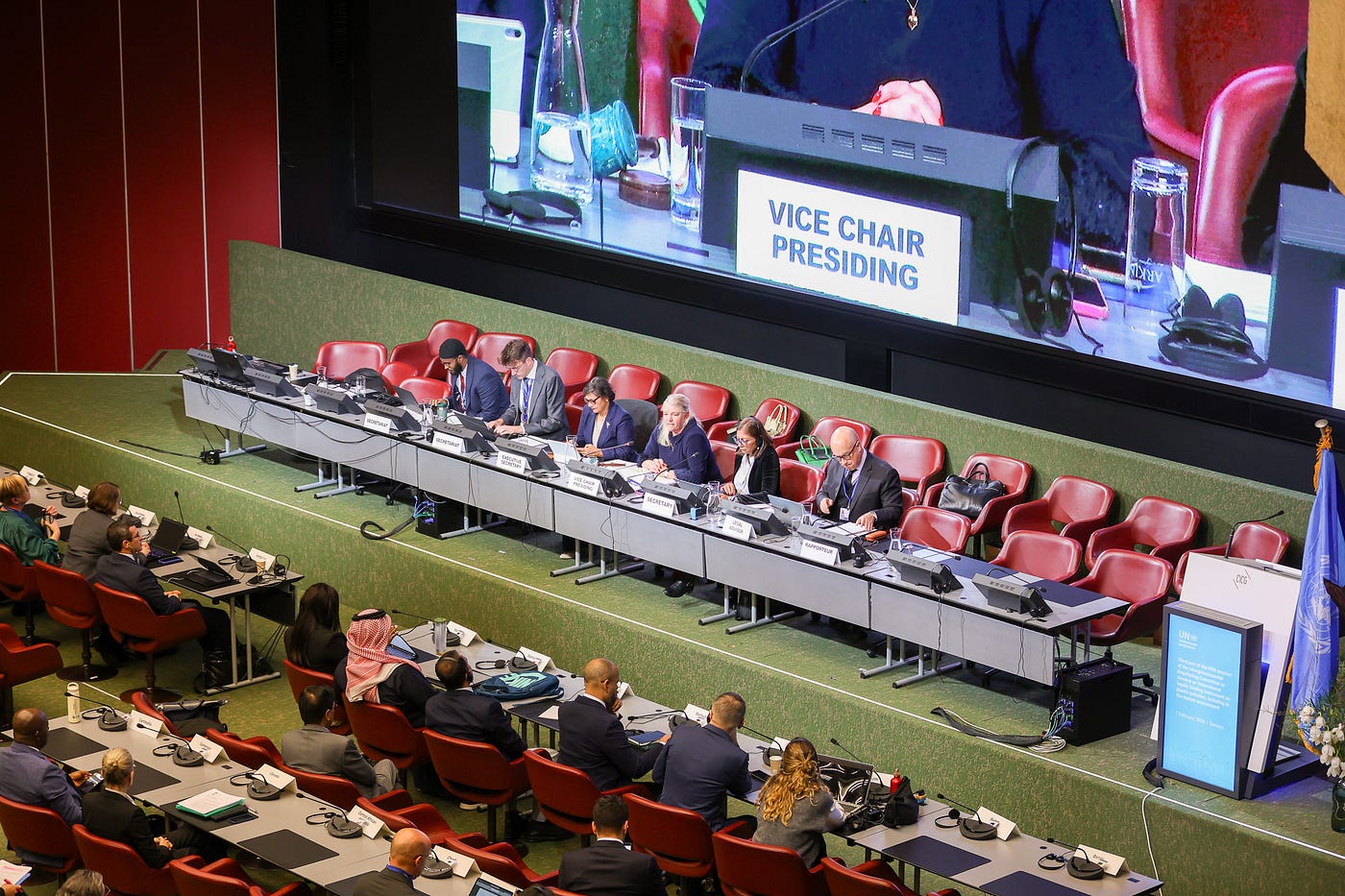
Vayas’ eight co-chairs made a brave attempt to keep talks in the four contact groups at a conceptual, political level. But by Thursday evening, negotiations had mostly slid back into the exasperatingly slow ritual of live-editing deeply contested pieces of text on screen. Observers could only watch powerlessly on as each article turned, yet again, into a bracketed wormhole.
With hours to get through the first reading of a single paragraph, there is no chance delegates will reach the finish line by Thursday next week, when the meeting ends. If the Geneva session is to deliver on its mandate and conclude a treaty on plastic pollution, one thing is clear: something needs to change.
The source of the Committee’s predicament is as mundane as it is political — a question so obvious it is rarely, if ever, uttered aloud: when drafting the terms of the plastics treaty, who holds the pen?
Anyone who has been involved in a collective drafting exercise knows the question is not irrelevant. Drafting is never neutral; every word is a choice. And for all the politics of penholdership, there is a practical side: without a person, or a small team, to carry out this task, no text development can succeed. The more actors with a stake in the outcome, the more critical it becomes that someone, somewhere, is entrusted with the pen.
Geneva was the moment to fix this — to give the co-chairs the pen and the mandate to use it, as recommended by the Chair. Since contact group negotiations began on Tuesday afternoon, the eight co-chairs have repeatedly offered to develop “iterations of language” and “bridging proposals.” The fact that a handful of countries have consistently rejected this offer — insisting instead on line-by-line negotiations with their every objection meticulously registered on screen — is perhaps the clearest indication yet that certain delegations are not negotiating to achieve a treaty, but to prevent one.
In fairness, the Geneva session of the plastics treaty talks has not been entirely without results. On Tuesday, for the first time since negotiations began three years ago, delegates reached agreement — however modest — on actual treaty text. While the treaty’s rules and regulations remain up in the air, the Committee has at least agreed that the original version of the treaty — whatever it ends up saying — will be translated into all six official UN languages (Article 32) and deposited with the UN Secretary-General (Article 31).
This is not nothing. But it is not exactly liftoff either.
Some negotiators seem to think the answer is to close the meetings to observers and retreat into the darker backrooms of the Palais des Nations — in informals or even “informal informals.” That would only make it easier for spoilers to delay, derail, distract, divide — and water down the text. Pulling down the blinds is not a solution.
Time in the plastics treaty negotiations is running at Miller’s Planet speed. With only six days to go before the process runs out of road, one thing is clear: the negotiations will vanish into a bracketed black hole unless and until someone takes control of the pen and starts pushing through language that can bring the progressive majority together.
메타데이터
- post_id
- 412fb6d93da2
- slug
- ink-wars-episode-5-2-return-of-the-brackets-412fb6d93da2
- url
- https://medium.com/points-of-order/ink-wars-episode-5-2-return-of-the-brackets-412fb6d93da2
- canonical_url
- https://medium.com/points-of-order/ink-wars-episode-5-2-return-of-the-brackets-412fb6d93da2
- author_url
- https://medium.com/@magnuslvold
- status
- ok
- fetched_at
- 2026-06-25 07:00:49