The Japanese Wind Chime That Has Cooled Summers for 400 Years
Long before air conditioning, Japan had a quieter way to survive the heat — one you could hear.
The Japanese Wind Chime That Has Cooled Summers for 400 Years
Long before air conditioning, Japan had a quieter way to survive the heat — one you could hear.
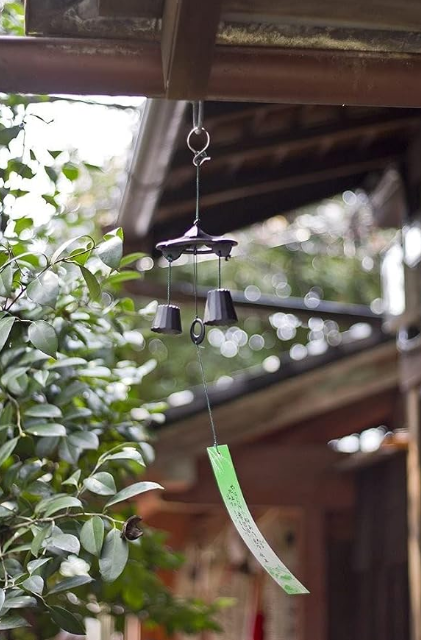
Every summer, the heat feels a little harder to escape than the year before. But in Japan, people have been finding relief from the heat this way for centuries — not by cooling the air, but by listening to it move. The furin, Japan’s traditional wind bell, has hung in windows and doorways since the Edo period, turning a simple breeze into a moment of calm.
A Sound Older Than the Fan
Before electric fans or air conditioning existed, Japanese households relied on small sensory rituals to make the heat bearable — bamboo blinds, cold noodles, and above all, the sound of a furin catching the wind. The custom is tied to a simple belief: even if the air itself doesn’t cool down, the mind can. Hearing that first chime of the day was, and still is, treated as a small relief in itself.

Why the Sound Matters More Than the Look
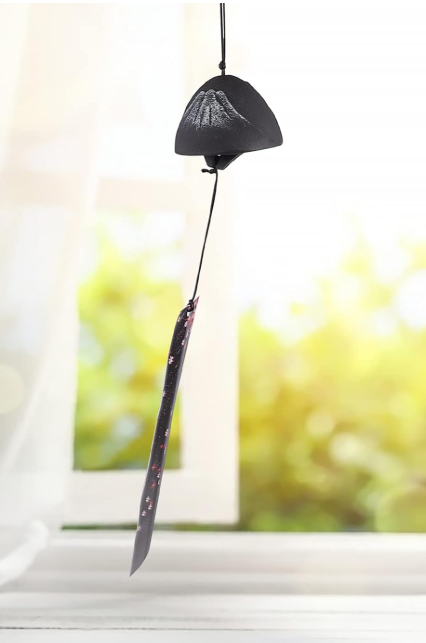
Furin come in many shapes — bells, pagodas, even animals — but what unites them isn’t their form, it’s their sound. A good furin rings with a clear, resonant tone that carries just far enough to notice, then fades. That brief, fleeting quality is intentional. It mirrors the fleeting nature of a summer breeze itself, echoing a very Japanese appreciation for things that don’t last.

A Tradition That Never Left
Even now, in a country full of air conditioning, furin still sell every summer. Department stores hold furin festivals. Families still hang them by the living room window — a modern echo of the engawa, the traditional veranda where furin have always belonged — out of habit, not necessity. It’s less about function today and more about atmosphere — what the Japanese call fūbutsushi (風物詩), the small seasonal details that make a place feel like itself.
A Small Ritual, Every Breeze
You can’t make a furin ring on command — only the wind decides. That unpredictability is the point. Hang one by a window you pass every day, and an ordinary gust of summer air becomes something worth noticing, if only for a second.
👉 Check the latest price on Amazon:
This post contains affiliate links.
Tags: Furin, Japan, Japanese Culture, Summer Traditions, Zen Living
메타데이터
- post_id
- 4142b8309967
- slug
- the-japanese-wind-chime-that-has-cooled-summers-for-400-years-4142b8309967
- url
- https://medium.com/@taronga.zoo.fun/the-japanese-wind-chime-that-has-cooled-summers-for-400-years-4142b8309967
- canonical_url
- https://medium.com/@taronga.zoo.fun/the-japanese-wind-chime-that-has-cooled-summers-for-400-years-4142b8309967
- author_url
- https://medium.com/@taronga.zoo.fun
- status
- ok
- fetched_at
- 2026-07-18 12:05:23