Why Daniel Bwala Is Not the Kind of Public Figure I Want My Children to Emulate.
In every society, public officials and political advisers play an important role in shaping public discourse. Because they speak on behalf…
Why Daniel Bwala Is Not the Kind of Public Figure I Want My Children to Emulate.
In every society, public officials and political advisers play an important role in shaping public discourse. Because they speak on behalf of governments and leaders, their words carry weight and influence millions of people. For this reason, citizens have every right to examine their conduct, consistency, and credibility.
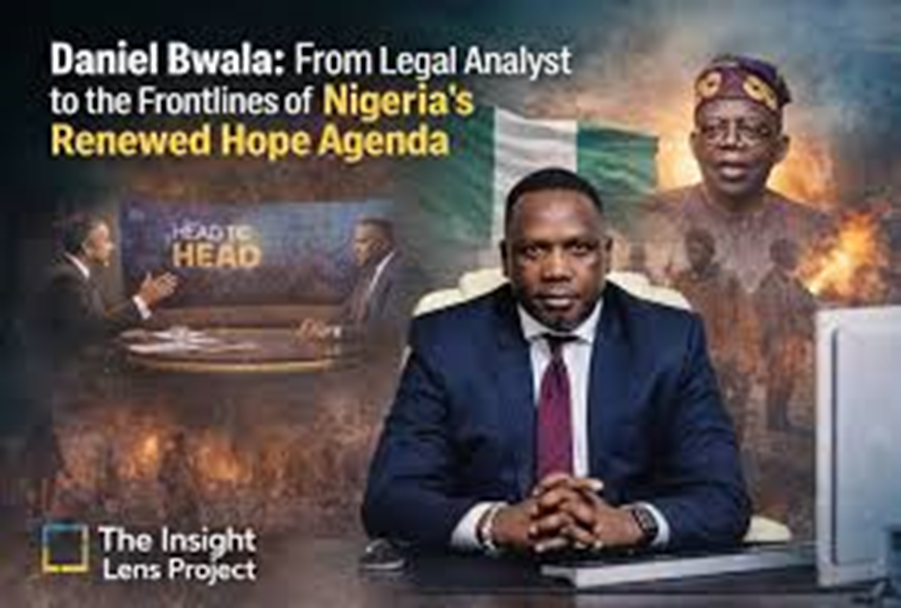
One public figure whose style of communication I personally do not admire is Daniel Bwala, Special Adviser on Media and Public Communications to President Bola Ahmed Tinubu.
As a parent, I believe children should grow up learning the values of honesty, accountability, humility, and consistency. These are qualities that build trust and respect in both private and public life. Unfortunately, many Nigerians believe that political communication in the country often places loyalty to power above transparency and truth.
Critics of Daniel Bwala argue that some of his public statements appear more focused on defending the government than addressing the genuine concerns of ordinary Nigerians. At a time when many citizens are struggling with high food prices, rising transportation costs, unemployment, insecurity, and economic hardship, people expect government spokespersons to acknowledge their suffering and communicate with empathy.
Many Nigerians are frustrated because they feel that public officials sometimes dismiss legitimate criticism instead of engaging with it honestly. When citizens raise concerns about the cost of living, inflation, electricity shortages, or insecurity, they want solutions and accountability rather than political arguments.
Another concern frequently raised by critics is the issue of consistency. In politics, individuals often change positions over time, but citizens naturally question whether those changes are based on conviction or political convenience. Public trust is weakened whenever leaders or advisers appear to contradict positions, they previously held without adequately explaining why.
The lesson I want my children to learn is not about any one individual. Rather, it is about the importance of character. I want them to understand that integrity matters more than status, honesty matters more than popularity, and truth matters more than political advantage.
A society progresses when its leaders and public representatives are trusted by the people. Trust is earned through transparency, accountability, and respect for the intelligence of citizens. Public figures should inspire confidence through their actions and words, especially during difficult times.
Therefore, my criticism is not rooted in personal dislike but in a belief that those who hold influential positions should be held to high standards. As a parent, I hope my children will grow up valuing honesty, consistency, compassion, and courage, the qualities that help build a stronger nation and a better future for everyone.
The Bigger Problem in Nigerian Politics
My concern goes beyond one individual. Daniel Bwala is only one example of a larger political culture that many Nigerians have become tired of over the years.
Too often, politicians and political spokespersons appear more interested in defending political parties and powerful individuals than defending the interests of ordinary citizens. The result is a growing disconnect between those in government and the people they are supposed to serve.
Many Nigerians have watched politicians from different parties criticize a government while in opposition, only to defend similar policies when they become part of the government. This pattern has repeated itself across several administrations and political parties.
The issue is not whether someone belongs to the APC, PDP, Labour Party, or any other political movement. The issue is whether leaders remain consistent in their principles regardless of who occupies power.
I want my children to learn that character should never be sacrificed for political convenience. A person should be able to stand for the truth whether it benefits them or not. They should be able to admit mistakes, accept criticism, and place the welfare of the people above personal ambition.
Nigeria does not suffer from a shortage of intelligent people. The country is blessed with talented professionals, entrepreneurs, academics, innovators, and young people with extraordinary potential. What many citizens believe Nigeria lacks is a sufficient number of leaders who consistently place national interest above political survival.
For decades, Nigerians have listened to promises of better electricity, quality education, affordable healthcare, job creation, improved security, and economic prosperity. Yet millions of citizens still struggle daily to meet basic needs. This reality naturally creates frustration and distrust toward political leaders and their spokespersons.
My hope is that future generations will reject the politics of insults, propaganda, and blind loyalty. Instead, they should embrace integrity, competence, accountability, and service to humanity.
The Nigeria of tomorrow will not be built by people who merely defend those in power. It will be built by men and women who are willing to speak honestly, lead responsibly, and place the needs of citizens above political interests.
That is the example I want my children to follow, not the pursuit of power for its own sake, but the pursuit of truth, justice, and genuine service to the nation.
The Solution: Building a Better Political Culture for Future Generations
While it is easy to criticize politicians and government officials, Nigeria’s long-term success depends on finding practical solutions. Complaints alone cannot transform a nation; citizens and leaders must work together to build a better future.
1. Nigerians Must Vote Based on Performance, Not Tribe or Religion
One of Nigeria’s biggest challenges is that many elections are influenced by ethnic, regional, or religious sentiments rather than competence and performance. Citizens should begin to ask simple questions before voting:
· What has this candidate achieved?
· Does this person have integrity?
· Has this person fulfilled previous promises?
· What is their vision for the country?
When politicians realize that performance determines electoral success, they will become more accountable to the people.
2. Strengthen Accountability in Government
Public officials should be required to explain how public funds are spent. Government projects should be transparent and accessible for citizens to monitor.
A nation cannot progress when corruption goes unpunished or when public resources disappear without explanation. Accountability must become a national culture rather than a political slogan.
3. Invest in Education and Skills Development
Nigeria possesses one of the largest youth populations in the world. Instead of allowing young people to remain unemployed, government should prioritize:
· Technical education
· Vocational training
· Digital skills
· Entrepreneurship support
· Innovation hubs
A skilled population creates wealth and reduces poverty.
4. Create an Environment for Businesses to Thrive
Many Nigerian businesses struggle because of unreliable electricity, multiple taxation, insecurity, and poor infrastructure.
Government should focus on:
· Stable electricity supply
· Better roads and transportation networks
· Access to affordable credit
· Improved security
When businesses grow, jobs are created and poverty declines.
5. Develop Nigeria’s Natural Resources Responsibly
Nigeria is blessed with oil, gas, gold, lithium, limestone, iron ore, and numerous other mineral resources. These resources should benefit the entire population rather than a small group of individuals.
Transparent management of natural resources can generate revenue for:
· Schools
· Hospitals
· Infrastructure
· Research and development
6. Reward Honesty and Competence in Public Service
Nigeria needs a culture where appointments and promotions are based on merit rather than connections.
The country’s best minds should be encouraged to participate in governance, public administration, science, technology, and economic development.
7. Strengthen Independent Institutions
Strong institutions are more important than strong personalities.
The judiciary, anti-corruption agencies, electoral bodies, law enforcement agencies, and regulatory institutions should operate independently and professionally. This helps ensure that no individual becomes more powerful than the law.
8. Encourage Active Citizenship
Citizens should not become politically active only during elections.
Nigerians should:
· Follow public policies.
· Attend community meetings.
· Demand accountability from elected officials.
· Participate peacefully in democratic processes.
Democracy works best when citizens remain engaged.
The Nigeria We Must Build
The future of Nigeria does not depend solely on presidents, governors, ministers, advisers, or politicians. It depends on the collective decisions of more than 200 million citizens.
The Nigeria we desire will emerge when leadership is based on competence, integrity, transparency, and service rather than propaganda, ethnicity, personal loyalty, or political patronage.
I want my children to grow up believing that success comes through hard work, honesty, knowledge, and service to others. I want them to see leaders who inspire trust rather than division, and who unite the nation rather than deepen its problems.
Nigeria has everything required to become one of the world’s greatest nations. The resources exist. The talent exists. The opportunity exists.
What remains is the determination to choose character over corruption, competence over mediocrity, and national interest over personal gain.
That is the Nigeria worth building, and that is the example worth passing on to future generations.
메타데이터
- post_id
- 415237b3dca7
- slug
- why-daniel-bwala-is-not-the-kind-of-public-figure-i-want-my-children-to-emulate-415237b3dca7
- url
- https://medium.com/@erugem8/why-daniel-bwala-is-not-the-kind-of-public-figure-i-want-my-children-to-emulate-415237b3dca7
- canonical_url
- https://medium.com/@erugem8/why-daniel-bwala-is-not-the-kind-of-public-figure-i-want-my-children-to-emulate-415237b3dca7
- author_url
- https://medium.com/@erugem8
- status
- ok
- fetched_at
- 2026-06-13 12:55:53