7 Benefits of Custom DTF Transfers for Apparel Printing | DTFS Guide
Discover why DTF transfers are changing the apparel industry. Learn about durability, color vibrancy, and how it can scale your business.
7 Major Benefits of Using Custom DTF Transfers for Apparel Printing
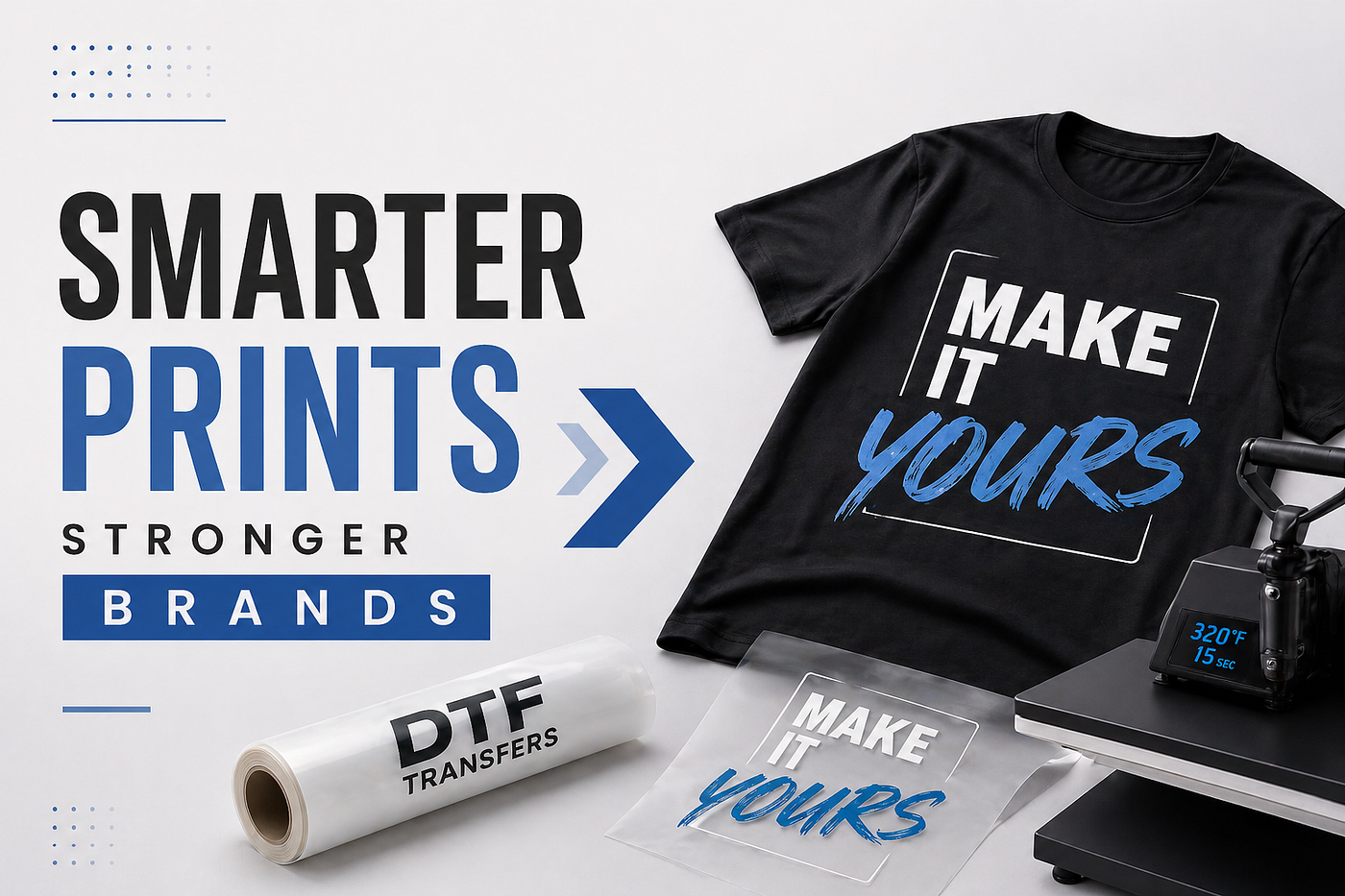
The apparel decoration industry is shifting fast. If you’ve been struggling with the limitations of screen printing or the high costs of DTG, there is a better way.
Custom DTF transfers (Direct-to-Film) have emerged as the ultimate “goldilocks” solution for printers. They offer the durability of screen printing with the detail of digital tech.
Whether you are a hobbyist or a high-volume shop, switching to this method can transform your workflow. Let’s dive into why custom DTF transfers are the future of garment customization.
1. Unmatched Versatility Across Fabrics
One of the biggest headaches in printing is fabric compatibility. Traditional methods often fail on anything that isn’t 100% cotton.
Custom DTF transfers change the game. You can apply them to:
- Polyester and Spandex.
- Cotton and Cotton blends.
- Nylon and Leather.
- Canvas and Denim.
Because the adhesive is applied to the back of the film, it creates a powerful bond with almost any heat-resistant surface.
2. Vibrant Color and Fine Detail
Traditional screen printing requires a separate screen for every color. This makes complex, photorealistic designs nearly impossible for small batches.
With custom DTF transfers, you get full-color CMYK+W printing. This means you can reproduce gradients, shadows, and fine lines with 100% accuracy. The colors pop against any garment color, even deep blacks, thanks to the high-density white ink layer.
3. Cost-Effective Scaling with DTF Gang Sheet Printing
Efficiency is the key to profitability. This is where dtf gang sheet printing becomes your best friend.
A gang sheet allows you to place multiple designs on a single roll of film. By grouping different logos or sizes together, you significantly reduce waste and lower your cost per print. This makes it affordable to handle both “one-off” custom orders and bulk runs.
Comparison: DTF vs. Other Methods

dtf vs other printing method
4. Exceptional Durability and Feel
No one wants a shirt that cracks after two washes. Custom DTF transfers are famous for their “stretchability.”
The specialized TPU (Thermoplastic Polyurethane) powder used in the process ensures the design moves with the fabric. These prints can typically withstand 50+ industrial washes without fading or peeling.

benefits of dtf transfers for apparel business
5. No Pre-treatment Required
If you’ve ever used a DTG printer, you know the mess of pre-treatment liquids. It’s time-consuming and can leave a “box” stain on the shirt.
DTF eliminates this step entirely. You simply heat press the transfer onto the garment. This saves you hours of labor and reduces the chance of ruining expensive blanks.
6. Easy Storage and Inventory Management
Inventory can be a nightmare for small brands. Instead of printing 100 shirts and hoping they sell, you can print 100 custom DTF transfers.
These transfers are thin, flat, and easy to store in folders. When a customer places an order, you just grab a transfer and press it in 15 seconds. This “print-on-demand” model keeps your overhead low.
7. Fast Turnaround Times
In the modern market, speed is a competitive advantage. Partnering with a reliable dtf company allows you to go from design to finished product in minutes.
Since there is no drying time for the ink on the garment, you can pack and ship orders immediately after pressing.
How to Get Started
To get the best results, you need a partner that understands the chemistry of the film and ink. Choosing a professional dtf company ensures that your transfers are cured correctly and ready for high-pressure application.
For those looking to maximize their budget, utilizing dtf gang sheet printing is the smartest way to organize your artwork for production.
Conclusion
Custom DTF transfers offer a rare combination of quality, speed, and versatility. They remove the barriers that used to hold small businesses back, like high setup costs and fabric restrictions.
If you are looking to level up your apparel brand, it’s time to make the switch. Focus on quality, utilize gang sheets to save money, and watch your production capacity soar.
Frequently Asked Questions (FAQs)
1. How long do custom DTF transfers last?
When applied correctly with a heat press, these transfers usually last between 50 to 60 washes. They are highly resistant to cracking and fading compared to traditional vinyl or DTG.
2. Do I need a special heat press for DTF?
No, a standard high-quality heat press is sufficient. However, it is important to ensure your press has even heat distribution and consistent pressure for the best results.
3. Can I use DTF transfers on dark polyester?
Yes! Because DTF uses a thick white ink backing, the colors remain vibrant and opaque even on dark polyester or sublimated fabrics.
4. What is the difference between a cold peel and a hot peel?
Hot peel transfers can be removed immediately after pressing, while cold peel requires the film to cool down completely. Most high-quality custom DTF transfers are now moving toward “warm peel” for better efficiency.
5. How should I wash garments with DTF prints?
To maximize the lifespan of the print, it is best to wash the garment inside out in cold water. Avoid using harsh bleaches or high-heat drying cycles.
메타데이터
- post_id
- 418ef5cc5209
- slug
- 7-benefits-of-custom-dtf-transfers-for-apparel-printing-dtfs-guide-418ef5cc5209
- url
- https://medium.com/@Connor_McDonnell/7-benefits-of-custom-dtf-transfers-for-apparel-printing-dtfs-guide-418ef5cc5209
- canonical_url
- https://medium.com/@Connor_McDonnell/7-benefits-of-custom-dtf-transfers-for-apparel-printing-dtfs-guide-418ef5cc5209
- author_url
- https://medium.com/@Connor_McDonnell
- status
- ok
- fetched_at
- 2026-07-24 23:01:47