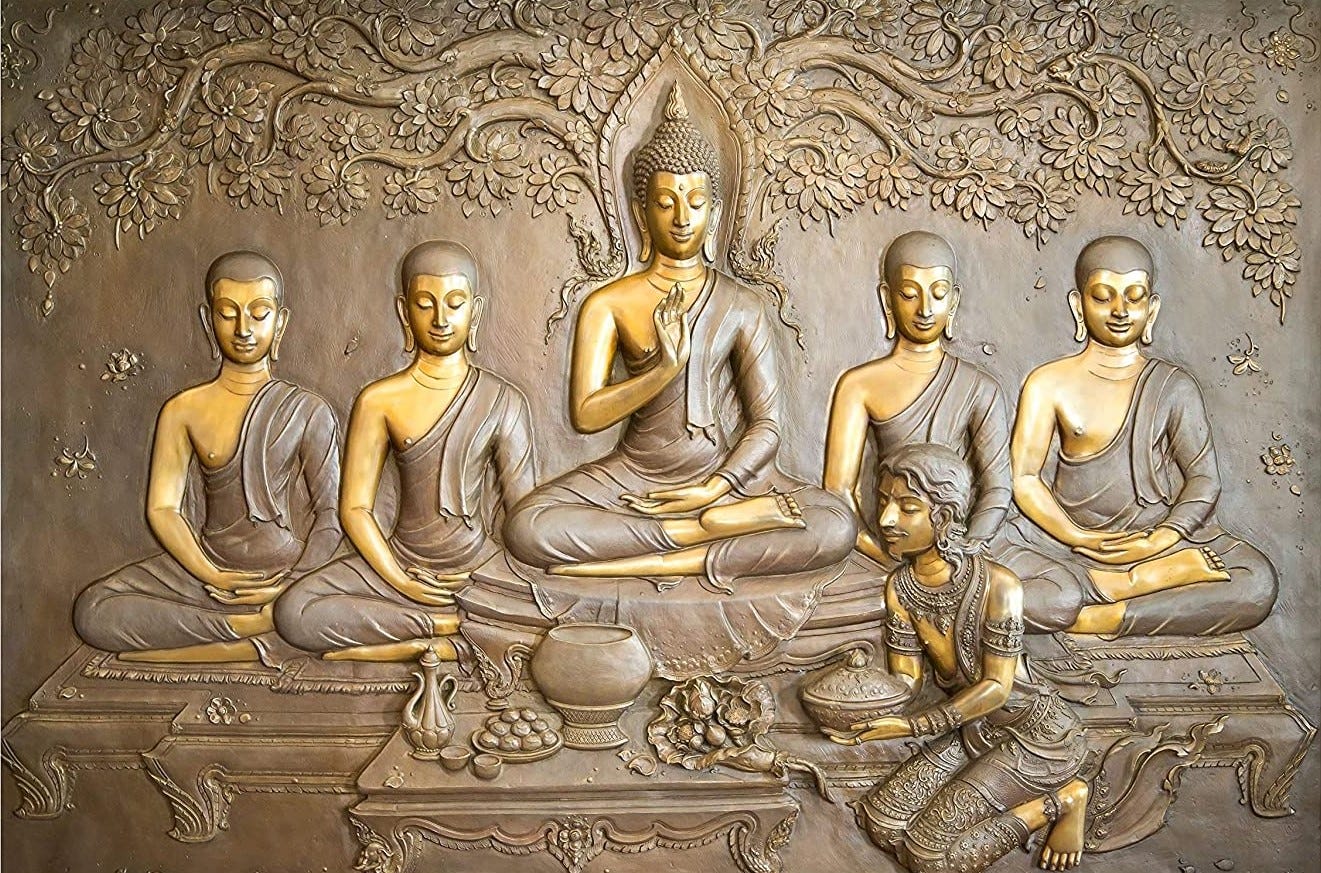
Buddha’s Teachings on Rebirth and Karma: Myth or Reality?
Buddha’s Teachings on Rebirth and Karma: Myth or Reality?
Buddha’s Teachings on Rebirth and Karma: Myth or Reality?
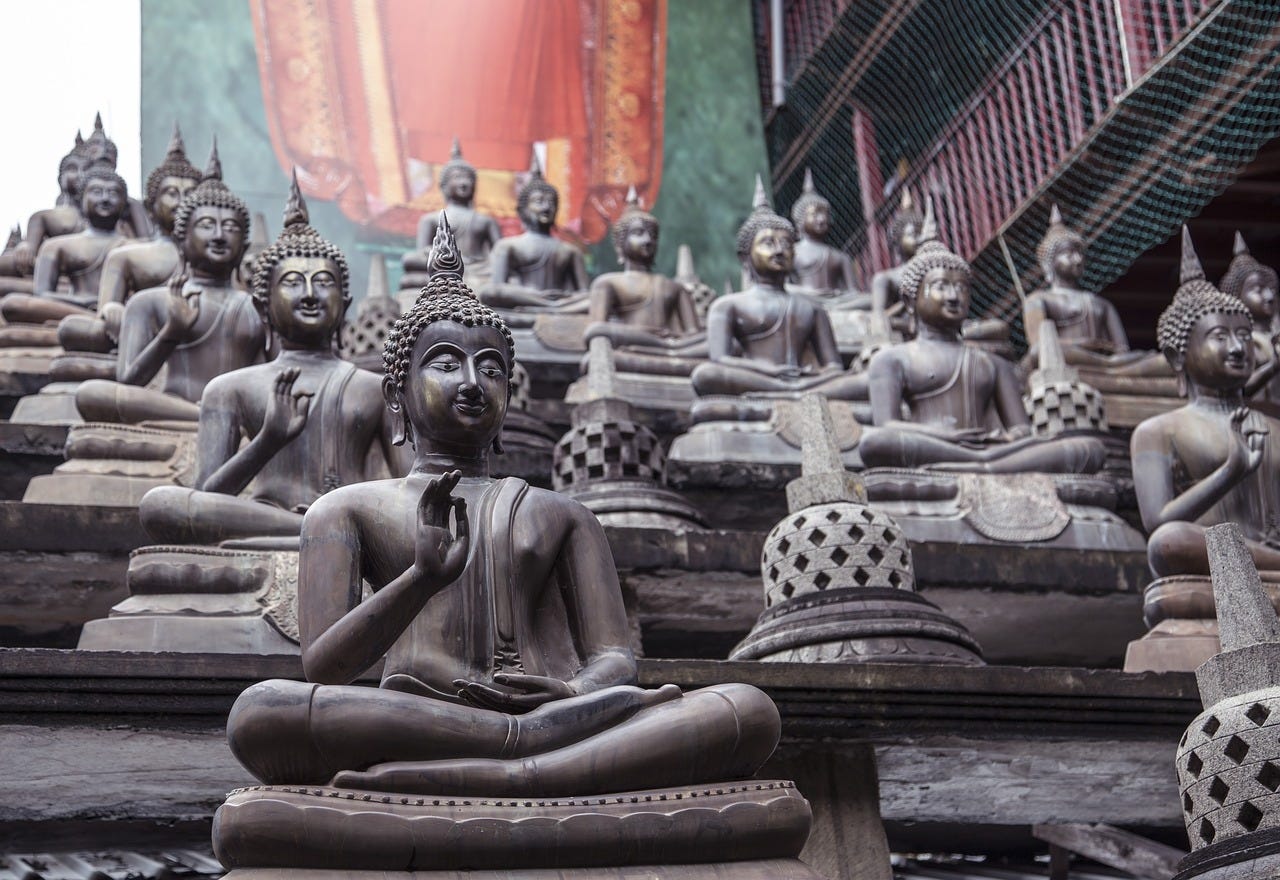
Buddha’s Teachings on Rebirth and Karma: Myth or Reality?
Buddha’s teachings encompass profound concepts that have intrigued and guided millions for centuries. Among these, the doctrines of rebirth and karma stand out as fundamental aspects of Buddhist philosophy. Understanding these concepts is crucial for grasping the core of Buddha’s teachings and their implications for our lives.
Buddha’s Teachings on Rebirth and Karma
Rebirth in Buddhism
Rebirth is a central tenet in Buddhism, referring to the continuation of an individual’s consciousness after death into a new life. Unlike the concept of reincarnation, which implies the transmigration of a soul, rebirth in Buddhism does not involve a permanent self or soul. Instead, it is the continuation of a karmic process.
Key Points of Rebirth:
- Anatta (Non-Self): Buddhism teaches that there is no unchanging, eternal soul (anatta). The process of rebirth involves the continuity of consciousness, influenced by karma, rather than the transmigration of a soul.
- Cycle of Samsara: Rebirth is part of the cycle of samsara, the endless cycle of birth, death, and rebirth. Liberation from this cycle is the ultimate goal of Buddhist practice, achieved through enlightenment (nirvana).
Evidence and Interpretation:
- Scriptural Evidence: The Pali Canon and other Buddhist scriptures contain numerous references to past lives and the process of rebirth, including accounts of the Buddha recalling his own previous lives.
- Meditative Insights: Advanced practitioners, through deep meditation, have reported insights into their past lives, adding experiential evidence to the doctrine of rebirth.
Karma in Buddhism
Karma refers to the law of moral causation, where intentional actions have corresponding effects on an individual’s future. Good actions lead to positive outcomes, while harmful actions lead to negative outcomes. This principle governs the cycle of rebirth.
Key Points of Karma:
- Intentionality: Karma is primarily concerned with intentional actions (cetana). The moral quality of an action depends on the intention behind it.
- Cause and Effect: Karma operates on the principle of cause and effect. Actions performed in the past influence one’s present circumstances, and current actions shape future experiences.
- Ethical Living: Understanding karma encourages ethical behavior, as individuals recognize that their actions have consequences.
Evidence and Interpretation:
- Logical Coherence: Karma provides a logical explanation for the moral order of the universe, accounting for the apparent randomness of experiences and fostering a sense of justice.
- Personal Experience: Many people find validation of karma in their own lives, observing how their actions lead to corresponding outcomes over time.
Are Rebirth and Karma Real?
The Realness of Rebirth and Karma
The doctrines of rebirth and karma are not just metaphysical concepts but are integral to Buddhist practice and worldview. Their reality can be approached from various perspectives:
Faith and Tradition:
- Scriptural Authority: For many Buddhists, the teachings on rebirth and karma are accepted on the authority of the Buddha and the sacred texts.
- Cultural Belief: In Buddhist cultures, these doctrines are deeply ingrained and form the basis of moral and ethical behavior.
Philosophical Perspective:
- Moral Framework: Karma provides a coherent moral framework that explains the consequences of actions and encourages ethical living.
- Existential Understanding: Rebirth offers a perspective on the continuity of existence and the importance of spiritual development across lifetimes.
Personal Experience:
- Meditative Insights: Practitioners who attain deep meditative states often report experiences that support the concepts of rebirth and karma.
- Life Observations: Many people observe the workings of karma in their lives, seeing how their actions lead to specific outcomes.
Conclusion
Buddha’s teachings on rebirth and karma provide profound insights into the nature of existence and the moral order of the universe. These doctrines encourage ethical living, personal responsibility, and spiritual growth. While the reality of rebirth and karma can be approached from various perspectives — faith, philosophy, and personal experience — their significance in Buddhist practice is undeniable. By understanding and integrating these teachings, individuals can navigate their lives with greater awareness and purpose, fostering both personal and collective well-being.
메타데이터
- post_id
- 41af138564d4
- slug
- buddhas-teachings-on-rebirth-and-karma-myth-or-reality-41af138564d4
- url
- https://medium.com/@RiseSpirituality/buddhas-teachings-on-rebirth-and-karma-myth-or-reality-41af138564d4
- canonical_url
- https://medium.com/@RiseSpirituality/buddhas-teachings-on-rebirth-and-karma-myth-or-reality-41af138564d4
- author_url
- https://medium.com/@RiseSpirituality
- status
- ok
- fetched_at
- 2026-08-04 10:39:15