From Occasional Use to Daily Meals: How Consumers Are Building Millet Habits
For many Indian families, millets were once considered traditional grains used occasionally in specific regional recipes. However, consumer…
From Occasional Use to Daily Meals: How Consumers Are Building Millet Habits
For many Indian families, millets were once considered traditional grains used occasionally in specific regional recipes. However, consumer preferences are changing.
Today, more people are bringing millets back into their kitchens, not just as a seasonal or health-focused food, but as a regular part of their weekly meals.
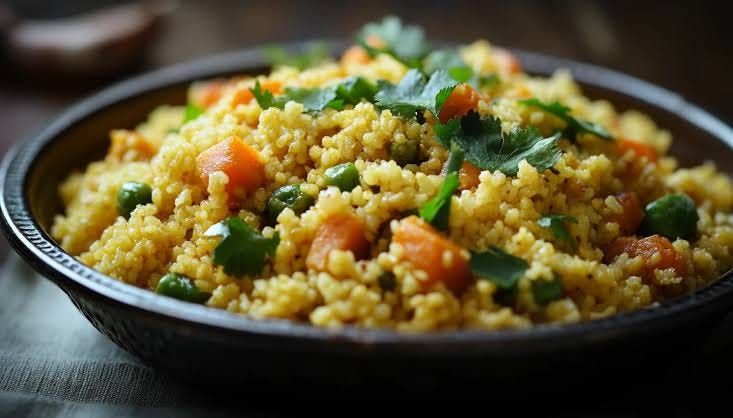
This case study follows the journey of a family that slowly moved from trying millets occasionally to building a sustainable millet-based eating habit.
Starting the Millet Journey: From Curiosity to First Trial
The Sharma family had heard about millets through health discussions, social media and conversations with friends. They wanted to include healthier food options in their meals but were unsure how to make millets a regular part of their routine.
Initially, they [purchased millets ](https://www.jewelfarmer.com/collections/millets)only once or twice a month. They experimented with millet khichdi, ragi-based breakfast dishes and simple millet recipes on weekends.
However, they faced a common challenge that many households experience: changing food habits takes time.
Their daily meals were already built around rice, wheat rotis and familiar recipes. Completely replacing their regular grains with millets felt difficult, so they decided to make small changes instead.
How Small Changes Created a Long-Term Habit
Instead of making a sudden switch, the family started adding millets gradually.
They replaced rice with foxtail millet once a week and introduced ragi flour into breakfast recipes. Later, they explored other varieties like pearl millet and little millet.
Over time, they found that millets could easily fit into their existing cooking style.
Some changes they made included:
- Millet khichdi instead of regular rice khichdi
- Millet dosa for breakfast
- Ragi roti as an alternative to wheat roti
- Millet-based snacks instead of packaged options
This approach helped the family enjoy millet dishes without feeling that they had completely changed their eating habits.
Why Consumers Are Moving Towards Daily Millet Consumption
The experience of this family reflects a wider change happening among Indian consumers.
According to NITI Aayog’s initiatives on promoting millets in diets, increasing awareness, government support and the availability of value-added millet products are encouraging people to consume millets more frequently.
Earlier, consumers mostly purchased whole millets as traditional grains. Today, the market has expanded with products such as millet flour, snacks, breakfast mixes and ready-to-cook options.
These convenient formats are helping urban households include millets without spending extra time learning completely new cooking methods.
The Role of Convenience in Millet Adoption
One of the biggest reasons behind the growing popularity of millets is convenience.
Many consumers understand the nutritional value of millets but hesitate because they think preparing them will be complicated. The availability of ready-to-use millet products has changed this perception.
For example, millet flour can be easily used for rotis, pancakes and baked recipes. Similarly, millet snacks provide an easier way for people to enjoy millet-based foods during busy schedules.
Products like Jewel Farmer Millets help consumers explore different millet options and choose products based on their cooking preferences and daily needs.

Taste and Family Acceptance Matter
A major learning from this case study was that taste and familiarity played an important role in making millet habits successful.
The family did not force everyone to immediately switch to millet-based meals. Instead, they focused on recipes that matched their existing food preferences.
They also avoided eating the same millet dish repeatedly. By trying different recipes, they kept meals interesting and made it easier for every family member to accept the change.
This shows that building food habits is not only about nutrition; it is also about convenience, taste and consistency.
The Long-Term Impact
After a few months, millets became a regular part of the family’s weekly meal plan. They did not completely remove rice or wheat but created a **balanced approach** by adding more variety to their meals.
This reflects a larger consumer trend. People are not necessarily looking for extreme diet changes. Instead, they want practical food choices that they can continue for a long time.
As demand for nutritious and convenient food options grows, brands offering different millet formats, including Jewel Farmer Millets, are helping consumers make millets easier to include in everyday meals.
Final Thoughts
The journey from occasional millet use to daily consumption shows that small changes can create lasting habits.
Consumers are moving towards millets because they combine traditional food values with modern convenience. Whether through whole grains, flour, snacks or ready-to-cook products, millets are becoming a regular choice for many households.
The future of millet consumption is not about replacing every traditional food. It is about creating a balanced routine where healthier choices naturally become part of everyday life.
Frequently Asked Questions
1. Why are more people adding millets to their daily meals?
Consumers are becoming more interested in traditional grains, healthy eating and convenient food options. Increased awareness and product availability are making millet adoption easier.
2. How can beginners start including millets in their diet?
Beginners can start slowly by replacing one meal with millet-based recipes such as millet khichdi, ragi roti or millet breakfast dishes.
3. Are millet products becoming more convenient for modern consumers?
Yes, products like millet flour, snacks and ready-to-cook options are helping busy households include millets without major changes to their cooking habits.
4. Do consumers need to completely replace rice and wheat with millets?
No. Many people prefer a balanced approach by adding millets along with their regular grains based on their taste preferences and lifestyle.
메타데이터
- post_id
- 425ec98ebe39
- slug
- from-occasional-use-to-daily-meals-how-consumers-are-building-millet-habits-425ec98ebe39
- url
- https://medium.com/@abhisektbj/from-occasional-use-to-daily-meals-how-consumers-are-building-millet-habits-425ec98ebe39
- canonical_url
- https://medium.com/@abhisektbj/from-occasional-use-to-daily-meals-how-consumers-are-building-millet-habits-425ec98ebe39
- author_url
- https://medium.com/@abhisektbj
- status
- ok
- fetched_at
- 2026-07-11 20:45:18

