What If Walls Could Tell a Geological Story? The Return of Natural Stone Mosaics in Modern Europe
Walk into a well-designed space in Europe today a boutique hotel in Lisbon, a minimalist apartment in Berlin, a quiet spa in the Alps and…
What If Walls Could Tell a Geological Story? The Return of Natural Stone Mosaics in Modern Europe
Walk into a well-designed space in Europe today a boutique hotel in Lisbon, a minimalist apartment in Berlin, a quiet spa in the Alps and you may notice something subtle.
Not a bold color. Not an extravagant chandelier.
But texture.
A wall that feels alive. A surface that shifts gently under changing light. A material that doesn’t look manufactured because it isn’t.
Natural stone mosaics are quietly making a return. And not as decoration, but as intention.
In a World of Perfect Surfaces, Imperfection Feels Honest
We live in an age of engineered materials. Surfaces are designed to be flawless, identical, repeatable. Digital prints mimic marble. Composite panels imitate stone. Uniformity has become the norm.
And yet, something feels missing.
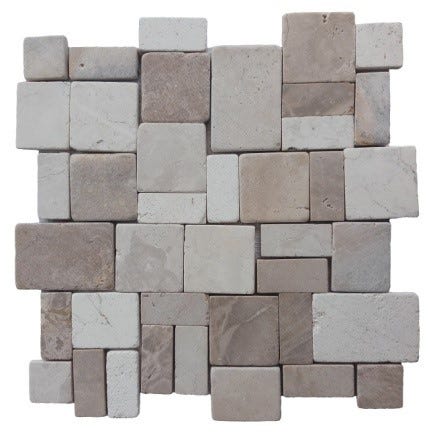
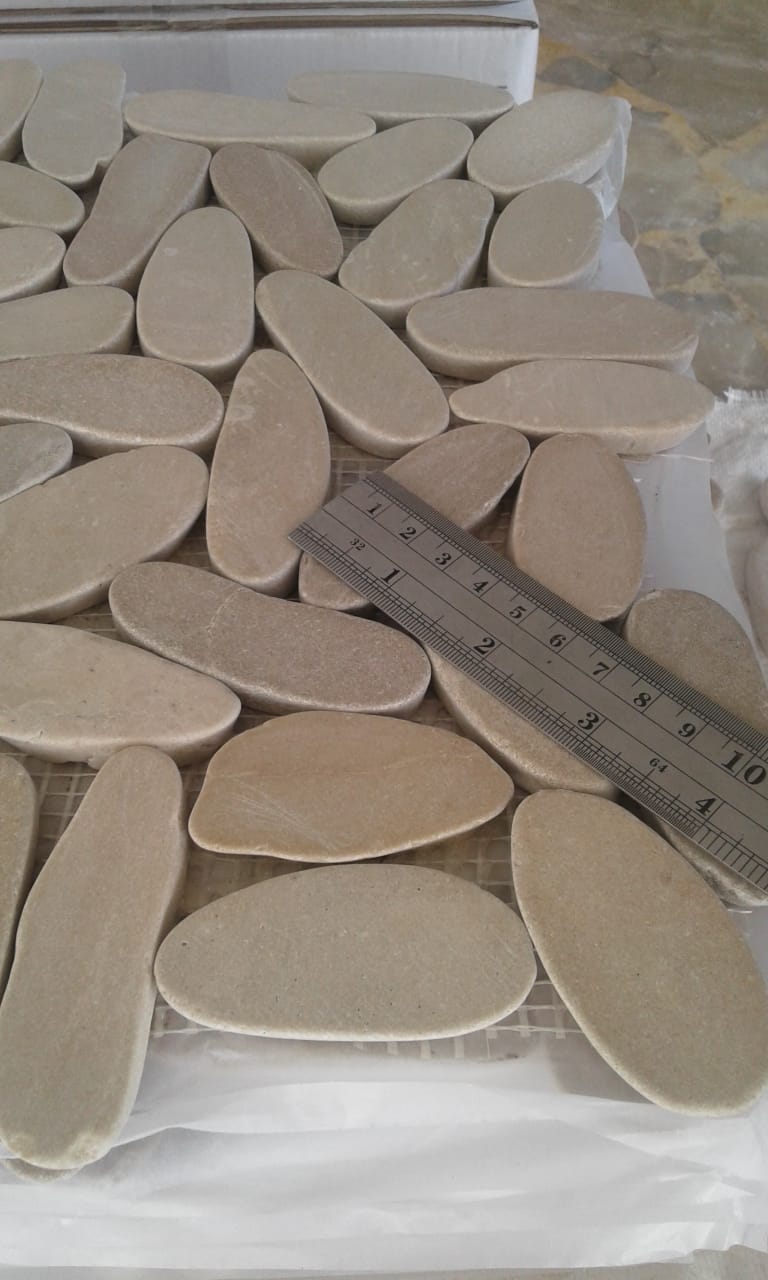
Natural stone mosaics offer what synthetic materials cannot fully replicate: variation. No two pieces are exactly the same. Tiny differences in shade, mineral lines, and texture create movement across a surface.
In contemporary European architecture especially in spaces driven by minimalism that organic irregularity brings warmth. It softens sharp lines. It adds depth without adding clutter.
Imperfection, when authentic, becomes luxury.
Why Designers Are Returning to Stone
Across Europe, there’s a growing preference for materials that age well rather than date quickly. Architects are increasingly designing for 20–30 year life cycles, not short-term trends.
Natural stone mosaics support this philosophy because they:
- Withstand moisture, temperature shifts, and time
- Develop character instead of deteriorating visually
- Remain stylistically relevant across changing trends
Unlike statement finishes that demand attention, stone mosaics integrate seamlessly. They don’t dominate a space they anchor it.
From Indonesian Quarries to European Interiors
Much of the stone used in modern projects travels far before reaching its final installation. Indonesia, for example, is home to diverse geological formations shaped by volcanic activity and mineral richness.
Producers such as Inatile work with materials like marble, andesite, limestone, slate, and river stone transforming raw blocks into mosaic formats suited for architectural use.
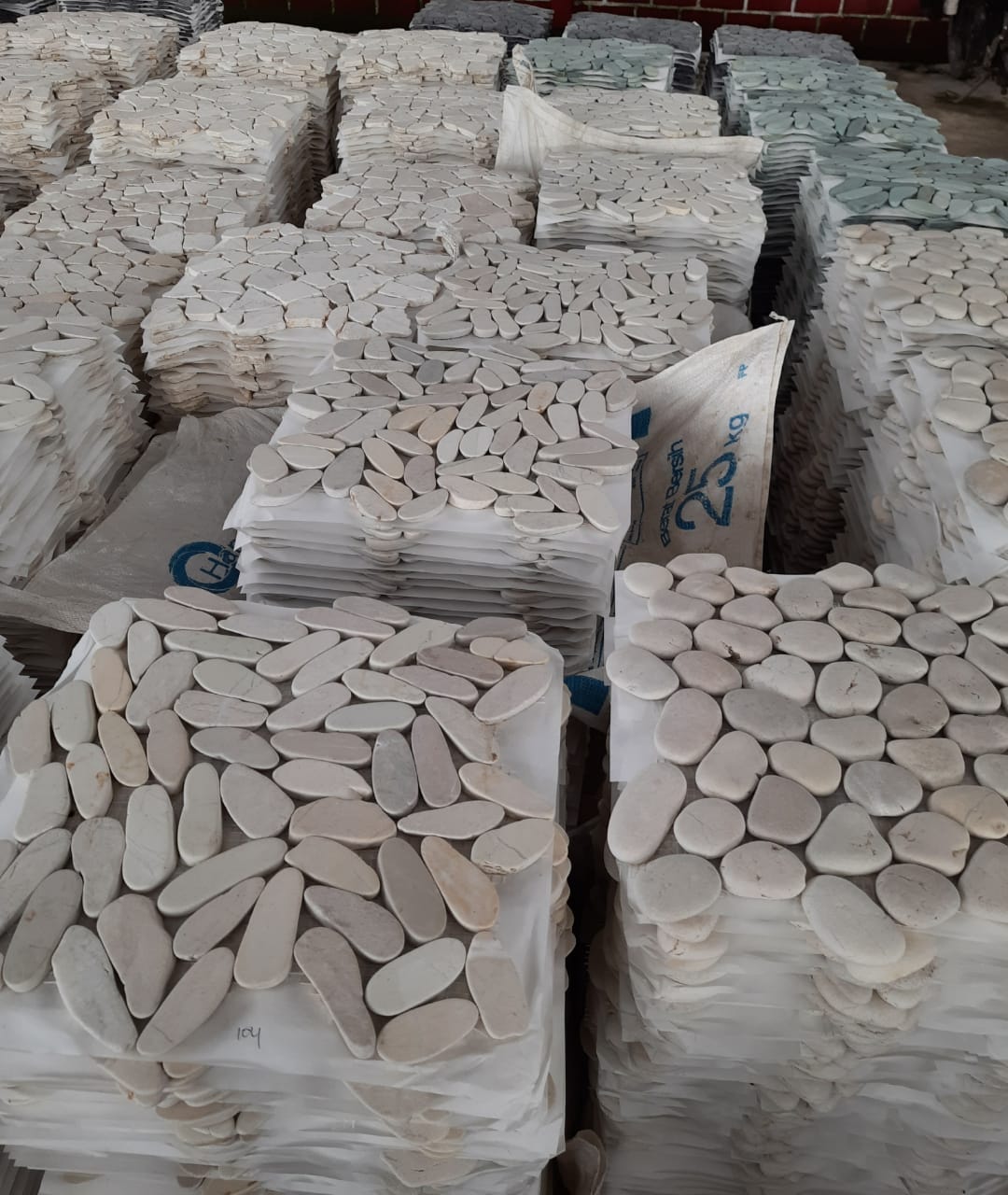
The process is both industrial and human:
- Stones are carefully selected for density and consistency
- Cut into calibrated pieces
- Assembled into mosaic sheets
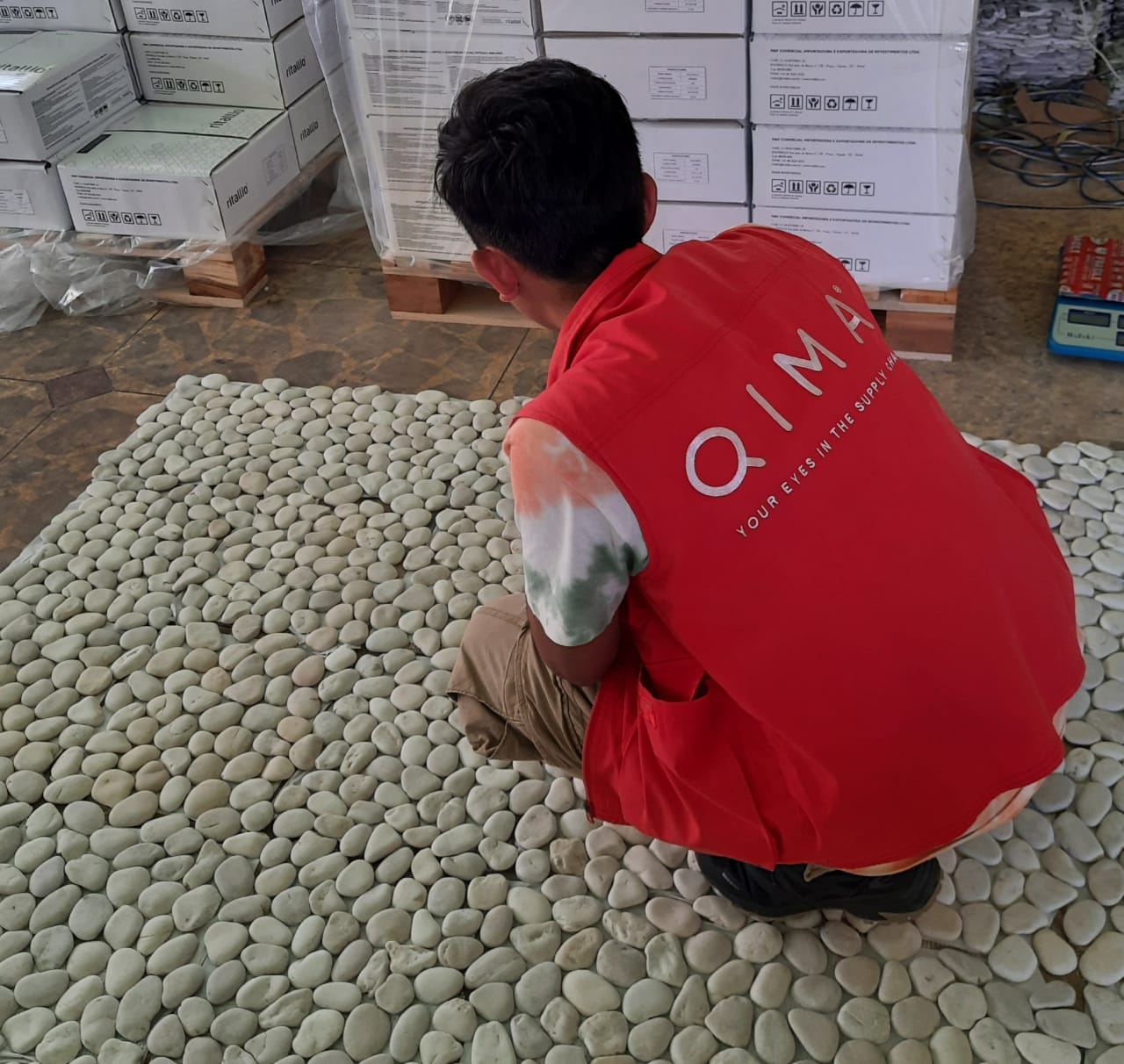
- Inspected before export
The goal is not mass uniformity, but controlled authenticity ensuring the material retains its natural character while meeting professional standards.
The Power of Subtle Design Decisions
In many modern European projects, the most impactful design choices are not obvious at first glance.
A textured shower wall. A stone-clad reception backdrop. A subtle exterior façade accent.
These elements don’t scream for attention. Instead, they create atmosphere. And atmosphere is what makes spaces memorable.
Natural stone mosaics excel in this role because they interact with light differently throughout the day. Morning light reveals texture; evening lighting deepens shadows. The surface never feels static.
Sustainability Beyond Buzzwords
Sustainability is often framed around innovation new materials, new technologies. But longevity is perhaps the most sustainable quality of all.
Natural stone mosaics:
- Require minimal replacement
- Resist wear in high-traffic areas
- Maintain aesthetic value over time
Choosing materials that last is a practical form of environmental responsibility. In this context, stone isn’t just traditional it’s forward-thinking.
Designing for Memory, Not Just Visual Impact
Great spaces are remembered not because they are loud, but because they feel grounded.
Natural stone mosaics contribute to that grounded feeling. They carry geological history into contemporary architecture. They connect interiors to nature in a tactile way. They remind us that buildings are not only constructed they are composed.
And perhaps that is why they are returning.
Not as trend. Not as ornament.
But as quiet substance in an increasingly superficial world.
Website : inatile.com
메타데이터
- post_id
- 42700dc48749
- slug
- what-if-walls-could-tell-a-geological-story-the-return-of-natural-stone-mosaics-in-modern-europe-42700dc48749
- url
- https://medium.com/@indonesiatile/what-if-walls-could-tell-a-geological-story-the-return-of-natural-stone-mosaics-in-modern-europe-42700dc48749
- canonical_url
- https://medium.com/@indonesiatile/what-if-walls-could-tell-a-geological-story-the-return-of-natural-stone-mosaics-in-modern-europe-42700dc48749
- author_url
- https://medium.com/@indonesiatile
- status
- ok
- fetched_at
- 2026-07-20 00:12:32