The Psychology Behind Luxury Brands (It Was Never Really About the Bag)
Why we spend thousands on things we don’t need — and what we’re actually buying.
The Psychology Behind Luxury Brands (It Was Never Really About the Bag)
Why we spend thousands on things we don’t need — and what we’re actually buying.

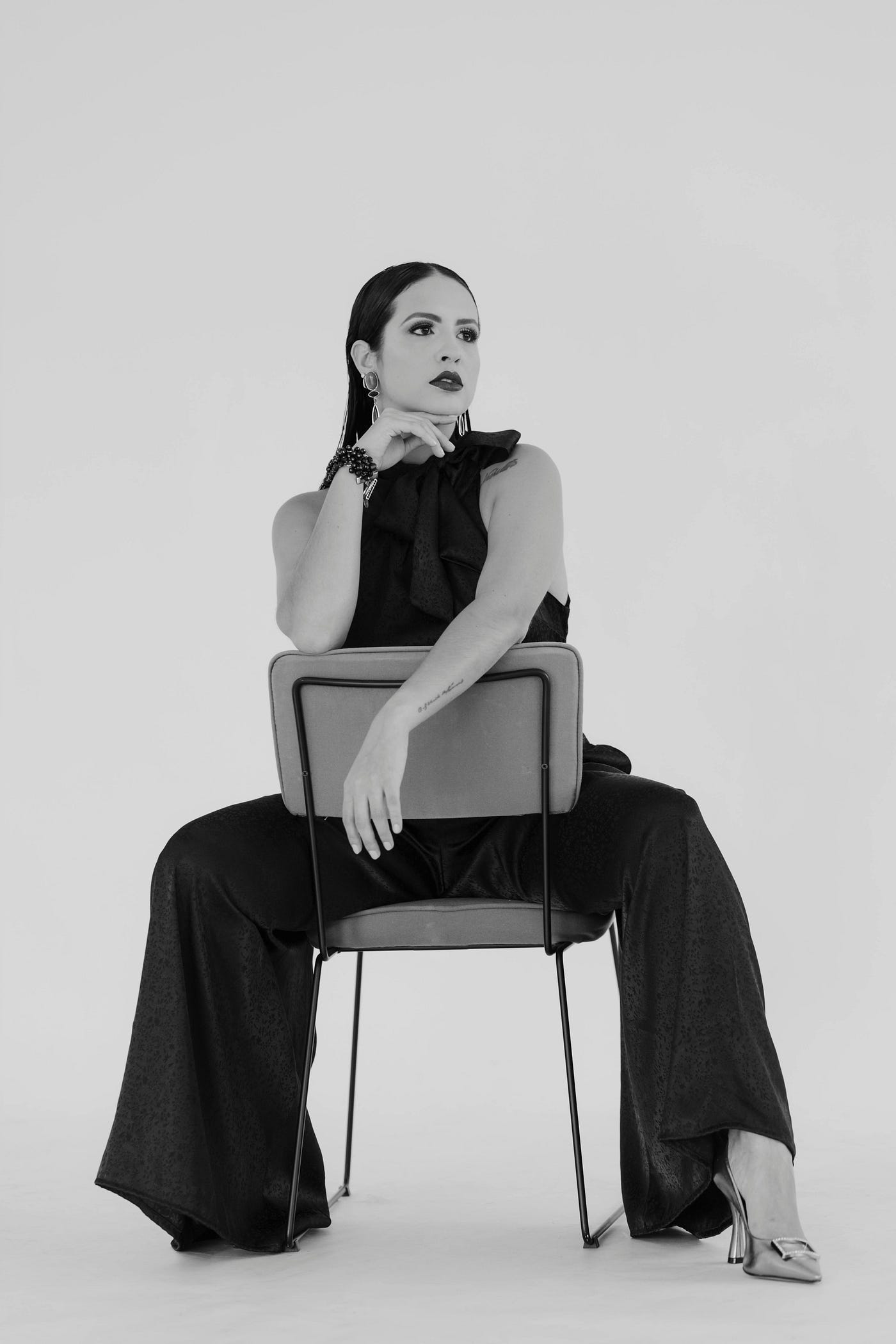
by “shattha pilabut” on pexels
My cousin once saved for eight months to buy a Louis Vuitton wallet.
Eight months. She tracked her spending, skipped trips, said no to dinners out. And when she finally held it in her hands, she cried a little. Not from guilt. From something that looked a lot like relief.
I used to judge that. Now I think I finally understand it.
The Obvious Answer Is Wrong
The easy explanation is vanity. People buy luxury goods to show off. To signal wealth. To make other people feel smaller while they feel bigger. And sure — that’s real, that happens. But it’s the surface layer, and stopping there means you miss almost everything interesting.
Because if it were just about showing off, a convincing fake would do the job. And yet, people who carry counterfeits often describe a persistent, quiet discomfort — like wearing a costume at your own life. The logo isn’t the point. Something else is.
The real psychology runs much deeper than status. It runs all the way down to how we understand ourselves.
You Are What You Own (Whether You Like It or Not)
Psychologists have a concept called the extended self — the idea that we don’t experience our possessions as separate from us. We experience them as part of us. Your car, your apartment, your worn-in leather jacket — these aren’t just things you own. They’re pieces of how you understand who you are.
This isn’t shallow. It’s ancient. Humans have always used objects to tell stories about themselves — to themselves and to others. Tribal jewelry. Royal crests. The particular way a samurai maintained his sword. Objects have always carried meaning far beyond their function.
Luxury goods slot into this perfectly. A Rolex isn’t telling time. It’s telling a story. And the person wearing it isn’t just buying metal and glass — they’re buying a chapter in the narrative of who they are, or who they’re becoming.
The Comfort of Craftsmanship
Here’s something that gets overlooked in cynical takes on luxury: sometimes, it’s genuinely about the object itself.
There’s a particular satisfaction in holding something made extraordinarily well. The weight of a Montblanc pen in your hand. The way a Hermès scarf drapes. The stitching on a pair of handmade shoes that will outlast everything else in your wardrobe by twenty years. These things are not identical to their cheaper counterparts, and the difference is felt in the body, not just seen by others.
Luxury, at its best, is a relationship with quality. It’s choosing permanence over disposability in a world that keeps pushing you toward the next cheap thing. And that choice carries meaning — the meaning of saying I want things that last. I want to move through the world slowly enough to appreciate craft.
That’s not vanity. That’s almost a philosophy.
But Then There’s the Logo
And then there’s the other kind of luxury. The kind that’s entirely about the logo.
Let’s be honest about this one too — because it’s not the monster it’s made out to be either.
When someone buys a bag specifically because it’s recognizable, specifically because people will know, they’re participating in a social language. The logo is a word in a dialect that says: I have arrived. I belong here. I am not who I used to be.
For a first-generation college graduate, or someone who grew up in poverty and clawed their way out, that logo isn’t shallow. It’s a declaration of survival. It’s proof of a distance traveled. The bag is a monument to the journey — and wearing it in public is a way of saying, quietly, look how far I came.
You can’t understand luxury without understanding that for many people, it’s less about the destination and more about leaving something behind.
Scarcity Is the Product
Luxury brands aren’t just selling goods. They’re selling exclusivity — and they are ruthlessly intentional about it.
Hermès famously makes you earn the right to buy a Birkin. You have to build a purchasing history first. You can’t just walk in with money. This isn’t logistical — it’s psychological. The waiting, the gatekeeping, the quiet humiliation of being told no — all of it inflates the value of the yes. By the time you hold the bag, you haven’t just bought it. You’ve been chosen.
This triggers something deep in us: the psychology of scarcity. We want things more when we’re told we can’t have them. We value things more when they’re hard to get. The price tag itself becomes a filter — a velvet rope — and being on the right side of it feels like belonging.
Luxury brands have turned aspiration into architecture.
The Emotional Transaction
Here’s what I keep coming back to, though.
Behind every luxury purchase is an emotion. Always. Nobody wakes up cold and calculates their way into spending three thousand dollars on a coat. There’s a feeling driving it — and usually that feeling has a name.
Sometimes it’s grief. Buying something expensive after a loss, because beauty feels like a small act of defiance against pain. Sometimes it’s celebration — a way of marking a moment so significant it needs a physical anchor in the world. Sometimes it’s anxiety — the quiet belief that if you just have the right things arranged around you, you’ll finally feel like enough.
And sometimes — the best times — it’s joy. Pure, uncomplicated joy at something beautiful, chosen with care, that makes you feel exactly like yourself.
The brands know all of this. Their advertising doesn’t sell you a bag. It sells you a feeling — freedom, elegance, arrival, love — and then hands you a product to attach it to. The transaction is always emotional first. The object is just where the feeling lives.
What We’re Really Buying
My cousin still has that wallet. Six years later. She treats it carefully, the way you treat something that means something.
And I’ve stopped thinking it was a strange thing to do. Because what she bought wasn’t leather and stitching. She bought the feeling of being someone who owns that wallet — someone who worked for something, chose something beautiful, and decided she deserved it.
That’s the psychology behind luxury, stripped to its core: the relentless, very human need to feel like we are enough. And the hope — sometimes true, sometimes not — that the right object might finally make us feel it.
The brands didn’t create that hunger. They just found it, already there, and built an empire on top of it.
So What Do We Do With This?
Knowing the psychology doesn’t make you immune to it. I still feel the pull. Most of us do.
But there’s a useful question worth asking before any luxury purchase: what am I actually trying to feel? And is this the only way — or even the best way — to feel it?
Sometimes the answer is yes. Sometimes a beautiful, well-made thing genuinely adds meaning to your life and brings you quiet joy for decades. That’s real. That’s worth it.
And sometimes you’re trying to buy your way out of a feeling that needs to be sat with, not shopped away.
The difference is worth knowing.
Luxury isn’t the enemy of depth. But it’s also not a substitute for it. The wisest relationship with beautiful things is one where you own them — and they don’t own you.
If this made you think differently about something in your wardrobe — or your cart — share it with someone who’d appreciate the conversation.
메타데이터
- post_id
- 427e95daeabe
- slug
- the-psychology-behind-luxury-brands-it-was-never-really-about-the-bag-427e95daeabe
- url
- https://medium.com/@bhumikabussiness/the-psychology-behind-luxury-brands-it-was-never-really-about-the-bag-427e95daeabe
- canonical_url
- https://medium.com/@bhumikabussiness/the-psychology-behind-luxury-brands-it-was-never-really-about-the-bag-427e95daeabe
- author_url
- https://medium.com/@bhumikabussiness
- status
- ok
- fetched_at
- 2026-06-09 15:37:30