The Impact of AR and VR on BIM Modeling and Visualization
Just think of walking through a building’s digital model long before any brick has been put. You navigate the hallways, study designs, and…
The Impact of AR and VR on BIM Modeling and Visualization
Just think of walking through a building’s digital model long before any brick has been put. You navigate the hallways, study designs, and you make changes right there in front of you in real time. This is not a dream for the future it is now because of the potential of **Building Information Modeling (BIM)** as combined with Augmented Reality (AR) and Virtual Reality (VR). The AEC business has been transformed by these technologies, revolutionizing static models to immerse the stakeholders in enhancing accuracy of design, making it simpler to create workflows, and promoting cooperation.
This blog post clarifies how AR and VR change BIM and its visualization process and what opportunities are opening up in construction, facility management, and related industries as a result.
The Significance of BIM and How to Understand It
First, before talking about how AR and VR are used, it would be appropriate to first understand what building information modeling (BIM) is and its connection to the business of architecture, engineering, and construction (AEC). BIM services provide one centralized digital model. In this model, several elements of the construction of a building-the architecture, structural integrity, and MEP components are incorporated into an integrated design. Building information modeling services increase decision-making, minimize errors, and enhance efficiency by making it easier for stakeholders to work together.
**BIM information modeling** is very important not only at the design phase but also at the time of project execution, facility management, and maintenance. BIM assures the maximum exploitation of resources and sustainability of the construction process with the aid of real-time data and intelligent modeling.
Enhancing Design Visualization with AR and VR
The most important advantage of incorporating augmented reality and virtual reality into building information modeling is its ability to enhance visualization. Static 3D models and the more conventional 2D drawings often fail to represent the true scale and other spatial relationships of a building. Augment reality and virtual reality close this gap by providing an immersive and interactive experience.
Augmented Reality for Real-Time Interaction
Augmented reality or AR allows users to overlay AR-enabled devices with smartphones, tablets, or even AR glasses and digital building information modeling or **BIM models** with the physical world. This can be done in real-time, enabling:
- Better Spatial Awareness: Architects and engineers can assess how a structure fits into its actual environment and make necessary changes before the construction begins.
- Informed decision-making: Only when the final product appears in its potential location can clients see it and make design changes early and avoid costly and last-minute revisions.
- On-Site Coordination: Contractors and workers are able to view BIM models overlaid on the construction site, thereby ensuring that design specifications are implemented appropriately.
Virtual Reality for Immersive Experience
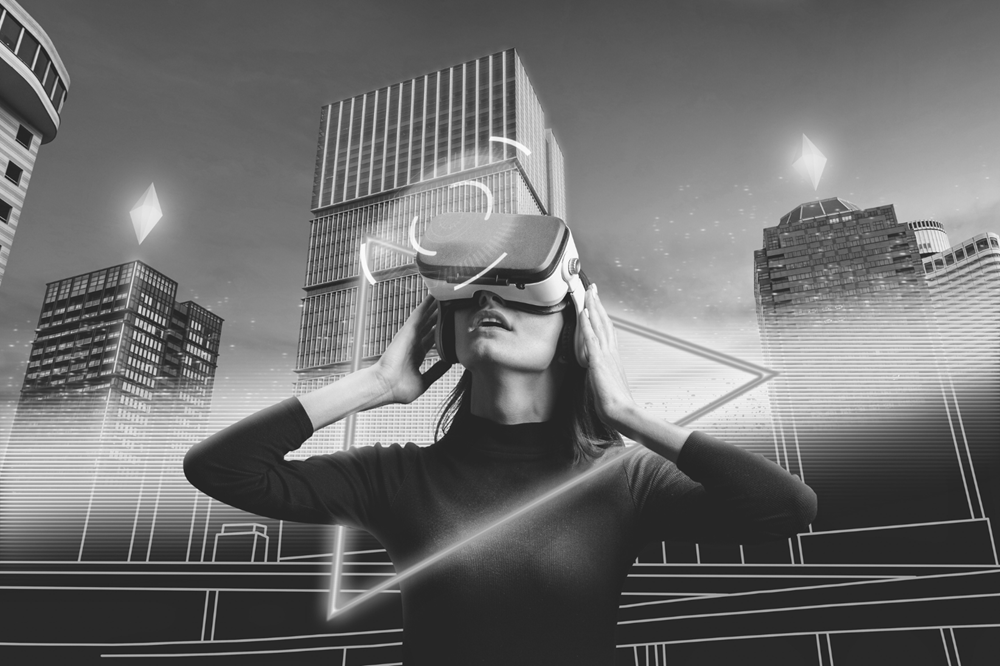
Virtual reality (VR) creates fully immersive environments that enable individuals to explore a virtual image of a building before it is built. Using VR headsets, users can:
- Walk Through Virtual Spaces: clients, architects, and engineers can experience the building on human scale for an understanding of its layout, lighting, aesthetics.
- Identify Design Flaws Early: Virtual walkthrough can help identify spots in the designs early, with a reduced opportunity for costly adjustments in the final construction process.
- Improves Client Engagement: The clients would find an experience in virtual reality much more engaging than reading blueprints or viewing 3D models and would be good for presentations to the client.
Improved Collaboration and Communication
In construction projects, especially on a large scale, there is a need for effect working. There may be delays and overruns of budget due to poor communication among architecture, engineers, contractors, and clients. AR and VR enhance collaboration, as natural and engaging platforms of communication are presented for them.
- Remote Collaboration: Different stakeholders located at various place may be able to communicate within the same virtual space through VR. They may thus discuss real-time projects details with each other.
- BIM Data Integration: AR tools will enable teams to show love BIM data on-site and this allow the digital model to be compared with actual construction progress for adjustments where needed.
- Conflict Resolution: Structural, MEP, and architectural aspects potential conflicts will be identified and solved in the virtual space before it turns into a problem at the site.
Streamlining Construction and Site Management
Integrate augmented reality and virtual reality with **building information modeling services**. With this integration, construction and site management efficiency will be enhanced as all stakeholders get correct and up-to-date information.
Augmented Reality for On-Site Assistance
The teams constructing can make use of AR to place the digital designs directly over the physical construction, hence putting the elements correctly. Its key benefits include:
- Guided Workflows: It enables workers to assemble complex parts with the aid of step-by-step augmented reality instructions, leading to fewer mistakes and more speed.
- Quality Control: Site managers can compare in real time BIM models to the completed work, which they can use for finding deviations to ensure that it is according to the design requirements.
- Safety Improvement: Augmented reality can highlight dangerous locations with immediate safety messages, thus enhancing the safety performance by reducing accident chances.
Training and Planning with Virtual Reality
Virtual reality can be a great tool for the planning of buildings and training employees. The advantages include:
- Simulated Training: Employees can learn about equipment, processes, and safety regulations in a virtual setting that is free of risk.
- Construction Sequencing: With virtual reality, project managers can see construction sequences, thus enabling them to optimize operations and minimize delays in a project.
- Resource Allocation: Virtual reality simulations help in planning how resources will be allocated so that materials and labor are utilized in the most efficient way possible.
Improved Facility Management and Maintenance
Benefits of AR and VR do not stop at the design stage and extend all the way to facilities management and maintenance. At the end of the construction cycle, after completion, these technologies empower facility managers with new tools to run their operations better.
AR for Maintenance and Repairs
Augmented reality devices can provide facility managers with real-time data about the composition of a building. Some of the most essential applications include the following:
- Interactive Maintenance Guides: Augmented reality can overlay step-by-step instructions directly on the equipment for maintenance purposes.
- IoT Integration: BIM can be linked to IoT sensors, and augmented reality can allow real-time performance data of the building and potential problems before becoming serious.
- Asset tracking: in this context allows the facility managers to trace and keep the belongings of the building. In other words, they are able to maximize space usage and handle inventory.
Virtual Reality for Planning Space and Renovations
- Virtual Space Reconfiguration: Through virtual reality, facility managers may “try out” different layout configurations before making any physical alterations.
- Emergency Scenario Simulation: Virtual reality can simulate emergency evacuations and train staff on how to react in a crisis.
- Predictive Maintenance: The managers can foresee prospective maintenance issues and schedule the repairs in advance. This saves the downtime for the organization.
Possibilities and Obstacles
Despite its multiple advantages, bringing augmented reality and virtual reality to **building information modeling** is not a piece of cake.
- Technology Costs: Small business firms find it challenging to invest in expensive AR and VR technologies and software, as these technologies and software cost a huge amount of money.
- Data accuracy: There must be accurate calibration and high-quality building information modeling models to ensure proper alignment of the augmented reality overlays with the physical world.
- User learning curve: Adapting such technologies calls for training and adjusting, thus potentially slowing the speed of processes.
- Integrity into Existing Systems: Augmented reality and virtual reality tools need to interface with existing BIM software and processes to be applied with minimal fuss.
FAQs
Q1. How does augmented reality (AR) and virtual reality (VR) enhance the efficiency of building information modeling (BIM)?
A. AR and VR will make BIM models more real and interactive in building. This technology helps the architects and engineers to identify potential problems early in the process and collaborate better. It also lets the clients better visualize the ultimate building before actual construction begins.
Q2. What are the most significant benefits of using augmented reality (AR) and virtual reality (VR) in building information modeling (BIM) services?
A. Augmented reality (AR) and virtual reality (VR) enhance the team’s ability to visualize projects and facilitate real-time communication, with construction operations. They enhance the accuracy of things on-site, reduce costly errors, and can even train people, which make construction projects much more efficient and organized.
Q3. How does augmented reality contribute to the development of building information modeling services?
A. Augmented reality overlays digital building information modeling onto real-world settings, enabling professionals to compare plans with actual construction. This improves quality control, gives step-by-step assembly instructions, increases site safety, and assures that projects remain in accordance with the original plans.
Q4. Why is virtual reality important for building information modeling?
A. Virtual reality delivers real worlds as realistic, virtual environments through which users can “walk through and analyze concepts” before actual construction begins. The technique promotes teaming, recognizes design defects well in advance of construction, improves training, thereby making construction planning and building management smoother and easier.
About BPX
Business Process Xperts guides its clients with expert BIM consultations. With years of experience, we serve our clients spread across 12 countries. We specialize in **business process improvements** and innovative BIM services.
Our **BIM modeling services** help our clients accomplish better outcomes with utmost accuracy. #ProcessConsulting
Get Insights from BPX to Streamline your Business Processes: https://businessprocessxperts.com/contact/
메타데이터
- post_id
- 42a759f90bc2
- slug
- the-impact-of-ar-and-vr-on-bim-modeling-and-visualization-42a759f90bc2
- url
- https://medium.com/@bpx-solutions/the-impact-of-ar-and-vr-on-bim-modeling-and-visualization-42a759f90bc2
- canonical_url
- https://medium.com/@bpx-solutions/the-impact-of-ar-and-vr-on-bim-modeling-and-visualization-42a759f90bc2
- author_url
- https://medium.com/@bpx-solutions
- status
- ok
- fetched_at
- 2026-06-27 23:56:40