Permanent Hand Chains: The Complete Guide Before Your First Appointment
Permanent jewelry has steadily expanded beyond the wrist and ankle into more unexpected placements, and the permanent hand chain is one of…
Permanent Hand Chains: The Complete Guide Before Your First Appointment

Permanent jewelry has steadily expanded beyond the wrist and ankle into more unexpected placements, and the permanent hand chain is one of the most striking of those newer options. If you have seen images of a fine chain running across the back of someone’s hand, connecting a wrist bracelet to a ring, and wondered exactly how that works, this guide covers the full story: what it is, how the appointment goes, who it suits, and what questions are worth asking before booking.
What a Permanent Hand Chain Is
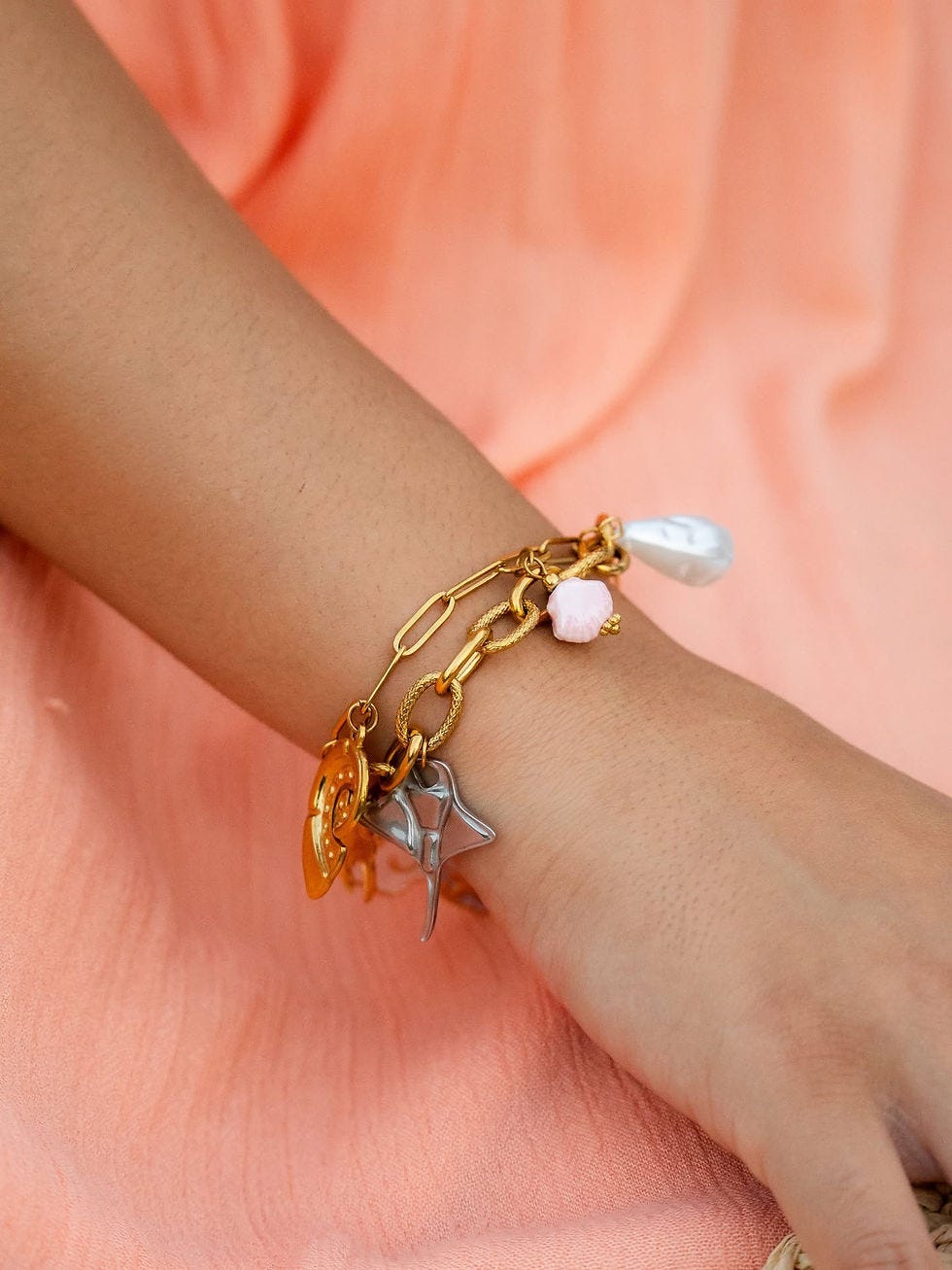
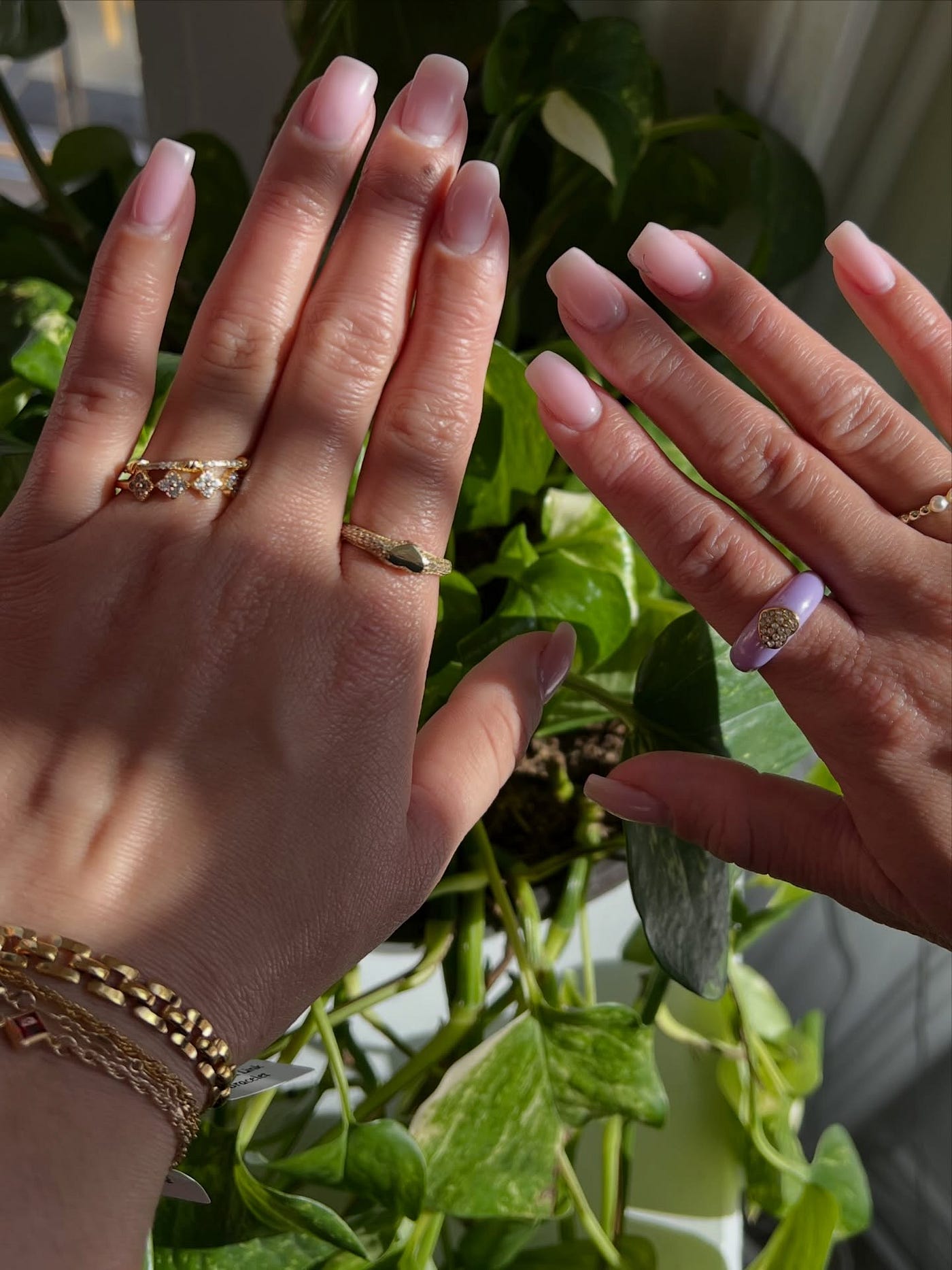
A permanent hand chain is a length of fine chain that spans the back of the hand, typically connecting a welded bracelet at the wrist to a welded ring around a finger, creating a seamless, layered piece across the hand as a whole. Like all permanent jewelry, it uses no clasp. The chain is welded at both connection points, meaning it sits continuously across the back of the hand rather than being something you put on and take off.
The result is a piece of jewelry that occupies a genuinely different visual space from a bracelet or an anklet, since it covers an area that most jewelry does not typically reach. It tends to look particularly striking with bare hands and light outfits, which has contributed to its popularity during warmer months and at events where hands are more visible.
How It Differs From a Standard Bracelet or Ring
The key difference is that a permanent hand chain is not a single piece worn on one body part. It is a connected system spanning two anchor points: one at the wrist and one at a finger. Each anchor point is its own welded loop, and the chain between them sits across the back of the hand like a delicate bridge connecting the two.
This means the appointment involves welding at least two separate connection points, and potentially three or more if the design includes multiple chains or additional anchor points along the hand. Each weld is the same quick, painless process used for a simple bracelet, but the total appointment time is longer because there are more fitting and welding steps involved.
Who Typically Chooses a Permanent Hand Chain
Permanent hand chains draw guests who are already comfortable with permanent jewelry and are looking for a next step beyond a simple bracelet or anklet. They tend to suit people with a bold, fashion conscious approach to jewelry who see their hands as an active part of their overall aesthetic rather than simply somewhere to wear a ring or watch.
They are also popular as a milestone piece, something chosen to mark a transition or celebration that feels significant enough to warrant a more dramatic and visible piece than a subtle bracelet. They make a strong visual impression in photos as well, which has contributed to their social media presence and the subsequent wave of interest that tends to follow any trending jewelry style.
The Fitting Process for a Hand Chain
The fitting process for a hand chain requires more careful measurement than a simple bracelet, because the chain needs to accommodate the natural range of motion your hand moves through during normal daily activities without being so taut that it restricts movement or so loose that it falls completely flat rather than spanning the back of the hand.
A skilled technician measures the distance between the anchor points with your hand in a natural, slightly relaxed position rather than fully extended or tightly closed, since neither extreme accurately represents how your hand sits most of the time. Getting this measurement right is critical, since a permanent piece welded too tightly will feel restrictive immediately and will not become more comfortable with time.
What to Expect During the Appointment
The appointment for a permanent hand chain involves several sequential steps rather than the single measurement and weld used for a straightforward bracelet. You choose the chain style and metal, decide on the placement of both anchor points (most commonly wrist and middle or ring finger, though this varies by personal preference), and the technician measures the chain length needed to span the back of the hand comfortably.
The ring anchor is welded first, then the bracelet anchor, and then the spanning chain is connected to both at the correct length. A test of the natural hand position and range of motion follows before any final step, to confirm the length allows normal movement without restriction. The entire appointment typically takes longer than a single bracelet, somewhere between thirty and forty five minutes, depending on the design and how many welded connection points it includes.
Does It Restrict Normal Hand Movement
A properly measured and fitted hand chain should not restrict normal hand movement in any meaningful way. The chain spanning the back of the hand is typically fine and delicate enough that it accommodates a full range of finger flexion and extension, and the length is calibrated specifically so that it sits comfortably whether your hand is open flat or gently curved in a normal resting position.
What it does require is a small degree of daily awareness during activities involving heavy or sustained hand use. Typing for extended periods, working with tools, or doing anything that generates repeated friction across the back of the hand will eventually affect even a properly sized chain more than the same activity would affect a simple wrist bracelet, simply because of the placement.

Choosing the Right Metal for a Hand Chain
Solid 14K gold remains the most popular metal choice for permanent hand chains, particularly because the visibility of the piece and the investment of the multi-point welding appointment make the upgrade to a longer-lasting metal feel more justified than it might for a less complex piece. Gold filled chains are a practical alternative at a lower price point. Sterling silver is available as well, though some guests find that the higher-friction placement of a hand chain benefits from the slightly greater durability of gold filled or solid gold over sterling.
What Happens If Part of the Chain Breaks
If the chain spanning the back of the hand breaks at any point, that specific weld can be repaired individually without requiring the entire piece to be removed and replaced. This is one of the practical advantages of the welded system: each connection point is independent, so a broken span can be rewelded to the existing anchor points rather than starting the whole piece again from scratch.
If an anchor ring or bracelet weld fails, that specific point can similarly be rewelded without disturbing the rest of the design. Keeping the studio you used for the original piece in mind for any future repairs makes the process simpler, since the original technician already knows your specific hand measurements and placement.
Layering a Hand Chain With Other Jewelry
Permanent hand chains work well layered with other jewelry as long as the additional pieces do not compete for the same visual space in a way that clutters the overall look. Rings on other fingers of the same hand complement a hand chain naturally, particularly simpler bands rather than large statement rings that draw the eye away from the chain itself. A stacked set of permanent bracelets at the wrist anchor point also works well, framing the base of the chain with additional texture.
Pieces on other parts of the body, such as permanent necklaces or anklets, do not interact visually with the hand chain at all, so those combinations are entirely unconstrained.
Is a Permanent Hand Chain Right for You
The most honest way to answer this is to consider two practical questions honestly before booking an appointment. First, do you regularly engage in activities where a chain spanning the back of your hand would be inconvenient or at risk of snagging? If you work with your hands extensively, rock climb, do heavy gym work, or work in an environment where fine jewelry is a safety concern, a hand chain may not suit your daily lifestyle the way a simple bracelet would. Second, are you already comfortable with permanent jewelry and ready for something more complex than your first or second welded piece? A hand chain is not the ideal first permanent jewelry experience for most people, simply because the multi-point fitting and the ongoing daily awareness it requires are easier to appreciate once you are already used to wearing a simpler welded piece.
Why Permanent Hand Chains Photograph the Way They Do
Part of what drove the initial surge of interest in permanent hand chains was how they appear in photographs, and it is worth understanding why the piece has that specific quality rather than dismissing it as simply a trend. The fine chain running across the back of the hand catches light differently than a bracelet or ring does, since it spans a surface that is usually either bare or in motion rather than a fixed curve like a wrist or finger. That combination of delicacy, movement, and light reflection produces a visual that is difficult to achieve with other jewelry formats.
This is not a reason to choose a hand chain purely for photos and ignore how it functions in real daily life. But it is a genuine contributor to why the piece feels satisfying to many wearers beyond the purely aesthetic, since a piece that photographs beautifully also tends to remind you that you are wearing something considered and intentional whenever you happen to see your own hands in an image.
Building a Complete Permanent Jewelry Collection
A permanent hand chain tends to make the most visual sense as part of a broader permanent jewelry setup rather than as a single isolated piece. When the wrist anchor is part of a set of stacked permanent bracelets, and the finger anchor sits alongside other rings, the hand chain connects those layers rather than floating alone as a somewhat unexpected piece between two otherwise unrelated pieces of jewelry.
Guests who plan to get a hand chain as part of a more complete permanent jewelry collection often find it helpful to build the bracelet and anklet pieces first, get comfortable with wearing welded jewelry, and then add the hand chain later as a considered addition to something that already has its own logic and balance.
Frequently Asked Questions
Does a permanent hand chain restrict finger movement?
A properly fitted hand chain should allow a full normal range of finger and hand movement. The measurement step specifically accounts for this.
How long does a hand chain appointment take?
Longer than a simple bracelet, typically thirty to forty five minutes, since multiple anchor points require individual fitting and welding.
What happens if the chain breaks?
The specific broken point can be rewelded without removing the entire piece, since each weld is independent.
Is solid gold worth the extra cost for a hand chain specifically?
Many guests find it is, given the visibility of the placement and the complexity of the appointment.
Booking Your Appointment
**The Pink Swan Shop in Boston and[ The Pink Swan Shop](https://maps.app.goo.gl/NULLHZtvSXqTjw9d6) in Houston** both offer permanent jewelry appointments that can accommodate hand chain requests. Given the additional complexity of the fitting and welding involved, reaching out ahead of time to discuss the specific design you have in mind is a good idea before your visit.
Details about the full range of permanent jewelry options, including placement, metals, and what the appointment involves, are available through **the Get Zapped permanent jewelry experience. The Pink Swan Shop also has a team available to answer design questions in advance for anyone thinking through[ a more complex permanent jewelry appointment before committing to a visit](https://thepinkswanshop.com/)**.
Conclusion
A permanent hand chain is one of the more dramatic and visually distinctive pieces available in welded jewelry, and it suits guests who are ready to go beyond a single simple bracelet and build something more complex and eye-catching. Done well, it is a genuinely striking piece that wears comfortably once the fitting is right, attracts consistent genuine compliments, and holds up well to daily life for the same reason any quality welded piece does: no clasp to fail, no mechanism to weaken, just a fine chain in the right place and a solid weld holding it there.
메타데이터
- post_id
- 42abb7191ea7
- slug
- permanent-hand-chains-the-complete-guide-before-your-first-appointment-42abb7191ea7
- url
- https://medium.com/@thepinkswanshop1/permanent-hand-chains-the-complete-guide-before-your-first-appointment-42abb7191ea7
- canonical_url
- https://medium.com/@thepinkswanshop1/permanent-hand-chains-the-complete-guide-before-your-first-appointment-42abb7191ea7
- author_url
- https://medium.com/@thepinkswanshop1
- status
- ok
- fetched_at
- 2026-08-20 05:48:05