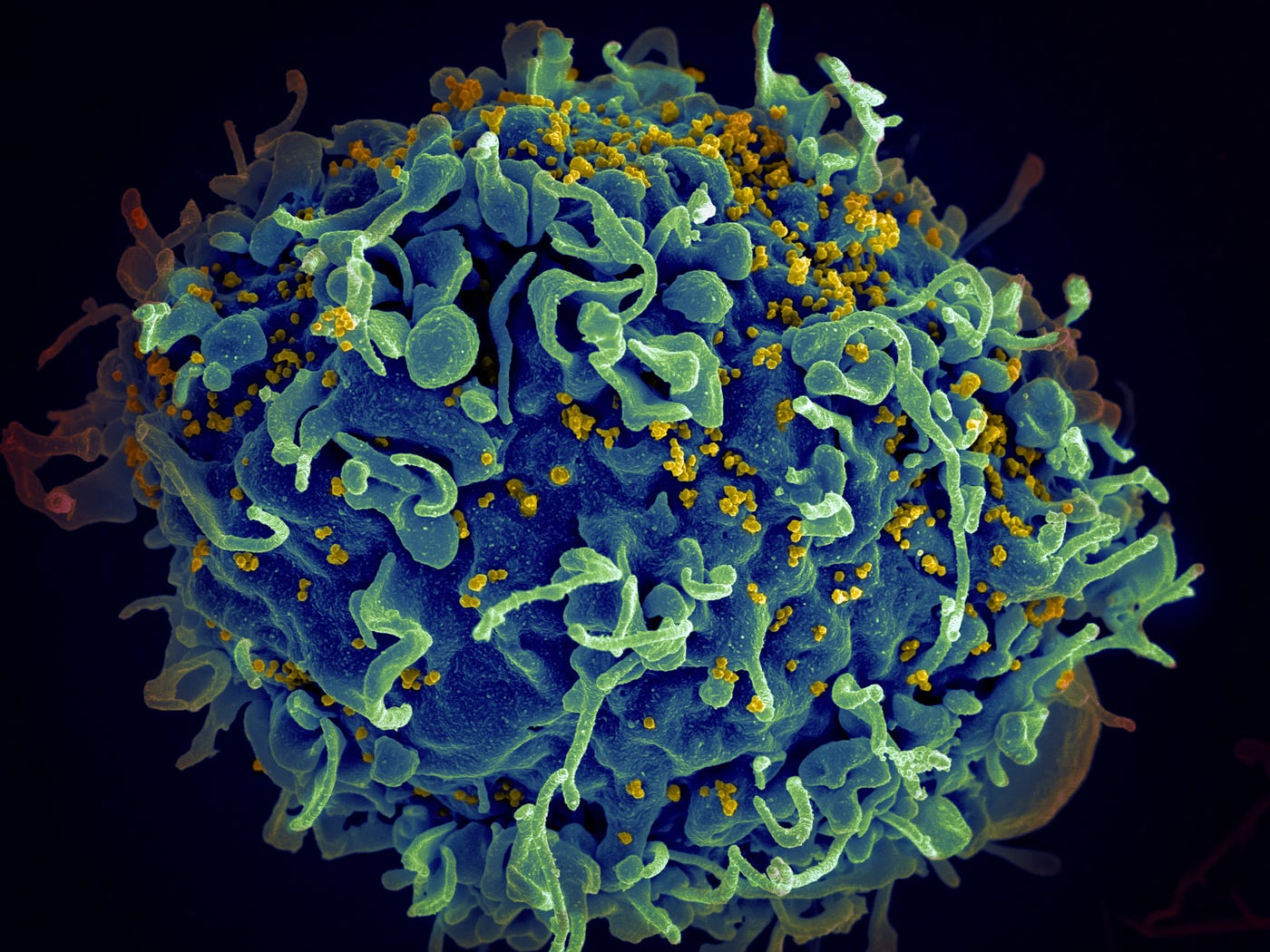
Carcinoembryonic Antigen-Related Cell Adhesion Molecules (CEACAMs)
CEACAM stands for Carcinoembryonic Antigen-Related Cell Adhesion Molecule. CEACAM proteins are a family of cell adhesion molecules that…
Carcinoembryonic Antigen-Related Cell Adhesion Molecules (CEACAMs)
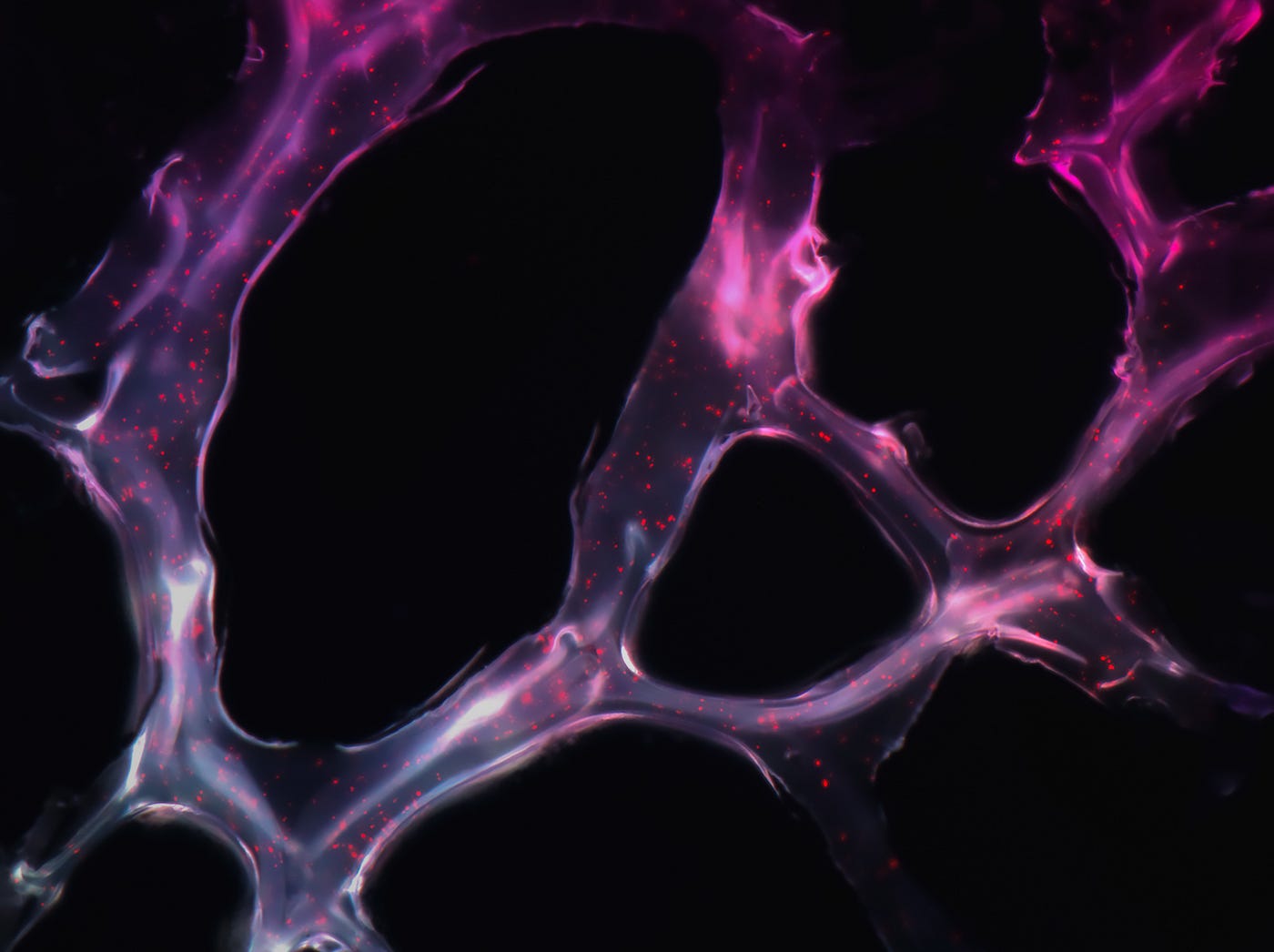
Photo by National Cancer Institute on Unsplash
CEACAM stands for Carcinoembryonic Antigen-Related Cell Adhesion Molecule. CEACAM proteins are a family of cell adhesion molecules that play important roles in cell-cell interactions and immune responses. They are glycoproteins in nature, and primarily found in the gastrointestinal tissue during fetal development but they continue to express on the surface of epithelial cells in various tissues at low levels, including the gastrointestinal tract, liver, lung, and reproductive organs. In case of few cancer types, their levels raise above normal range that makes them a capable biomarker for clinical purposes.
CEACAMs are involved in diverse biological processes, such as cell adhesion, signaling, regulation of immune responses, and tumor suppression. They are known to mediate cell-cell adhesion by interacting with other CEACAM proteins on adjacent cells or with other cell adhesion molecules.
In addition to their adhesive functions, CEACAMs also participate in immune modulation. They can regulate the activity of immune cells, such as T cells, B cells, and natural killer cells, by transmitting signals that either activate or inhibit immune responses. Prominently, CEACAMs have been implicated in cancer biology. Altered expression of CEACAMs has been observed in various types of cancer, and they can influence tumor growth, invasion, and metastasis. CEACAMs may also serve as diagnostic markers or potential targets for cancer therapy.
CEACAM Structure:
CEACAM5, the flagbearer of the CEACAM family was first identified in 1965 by Phil Gold and Samuel O. Freedman in human colon cancer as well as in some digestive fetal tissues. They termed it CEA.
Comparable to several other families of extracellular proteins, CEACAM proteins are also characterized by a standard structure format consisting of several distinct domains. CEACAMs are IgG superfamily proteins encoded by 12 genes on human chromosome 19q13 and have 5 CEACAMs conserved among human and mouse. The specific composition of CEACAM proteins may vary depending on the isoform and the specific family member. However, a typical CEACAM protein structure consists of one N-terminal signal peptide (that marks the protein for secretion or membrane localization), one extracellular domain (large region with several IgG-like domains (1 to 7), one transmembrane domain (that anchors protein to cells) and cytoplasmic tail (short intracellular region that mediates intracellular signaling events). IgG domains are variable among CEACAMs, and these domains participate in cis (homophilic) and trans (heterophilic) interactions. Homophilic interaction include CEACAM’s interaction with other CEACAM proteins on same or other cells, while heterophilic interactions are about interaction with other types of CAMs. These interactions contribute to cell adhesion, signaling, and modulation of immune responses.
How many CEACAMs are there
The CEACAM family encompasses a diverse group of proteins, and the number of identified CEACAMs continues to grow. Each CEACAM isoform has its own unique characteristics, expression patterns, and functions in various tissues and cellular contexts. Some CEACAMs have been extensively studied, such as CEACAM1, CEACAM5 (CEA), and CEACAM6.
The members of CEACAM family include:
CEACAM1: Also known as biliary glycoprotein and CD66a. Expressed on epithelial cells, endothelial cells, immune cells (macrophages, T cells, B cells, dendritic cells), liver cells, lung cells, gastrointestinal cells.
CEACAM3: CD66d, expressed on neutrophils, myeloid cells.
CEACAM4: Known as NCA-160 or Nonspecific Cross-Reacting Antigen-160 and CD66b. expressed on granulocytes, myeloid cells, colon epithelial cells.
CEACAM5: The best-known member of the family, generally known as CEA and CD66e. expressed colon epithelial cells, gastric epithelial cells, breast epithelial cells.
CEACAM6: Known as CD66c and NCA-50, expressions on epithelial cells, neutrophils, myeloid cells.
CEACAM7: Known as CD66b and previously CGM2. Expressed on epithelial cells, neutrophils, myeloid cells.
CEACAM8: Known as CD66b and CGM6, expressed on neutrophils and myeloid cells.
CEACAM16: Expressed on epithelial cells, testis cells, placental cells.
CEACAM18: not well characterized.
CEACAM19: not well characterized.
CEACAM20: Expressed on intestinal cells, colon cells, testis cells
CEACAM21: Not well-characterized
CEACAMs are primarily found on epithelial cells in various tissues throughout the body. They have a wide distribution in different organs and tissues, including GI tracts linings, hepatocytes (liver), respiratory epithelial cells (lungs), uterine epithelium, fallopian tubes and prostate gland (reproductive systems), pancreatic ducts and acinar cells (pancreas), epithelium of mammary glands, bladder linings and cancers (colorectal, pancreatic, breast and lung).

Photo by National Cancer Institute on Unsplash
CEACAM ligand and CEACAM function
CEACAMs have both ligand-binding and non-ligand-dependent functions. The specific ligands and functions can vary among different CEACAM family members. Here is an overview of CEACAM ligands and functions:
CEACAM Ligands:
Homophilic Interactions: CEACAM proteins can engage in homophilic interactions, meaning they can bind to other CEACAMs on the same cell or neighboring cells. These interactions contribute to cell adhesion and cell-cell communication.
Heterophilic Interactions: CEACAM proteins can also participate in heterophilic interactions, binding to other cell adhesion molecules, such as integrins or other immunoglobulin superfamily members.
CEACAM Functions:
Cell Adhesion: CEACAMs play a crucial role in cell adhesion, mediating interactions between cells. By binding to other CEACAM molecules or cell adhesion molecules on adjacent cells, they facilitate the formation of cell-cell contacts and tissue organization.
Signaling: CEACAMs can transmit signals into cells, modulating various signaling pathways. This can affect cell proliferation, differentiation, survival, and immune responses.
Immune Modulation: CEACAMs are involved in regulating immune responses. They can either promote or inhibit immune cell activation and function, depending on the specific CEACAM isoform and context. CEACAMs can influence the activity of T cells, B cells, natural killer cells, and antigen-presenting cells, impacting immune surveillance and response.
Tumor Suppression: Some CEACAMs have been implicated in tumor suppression. They can regulate cell growth, inhibit tumor invasion, and promote apoptosis (programmed cell death). Altered expression or dysregulation of CEACAMs is associated with tumor progression and metastasis in certain cancers.
It’s important to note that the specific functions and ligands of CEACAMs can vary depending on the isoform, tissue context, and cell type.
CEACAM in cancer
CEACAMs (prominently CEACAM5) have been extensively studied in the context of cancer. Their altered expression and dysregulation have been observed in various types of cancer, and they can play important roles in tumor progression, metastasis, and response to therapy. Here are some key points regarding CEACAM in cancer:
Colorectal Cancer: CEACAM5 (also known as CEA) and CEACAM6 are particularly associated with colorectal cancer. Elevated levels of CEACAM5 and CEACAM6 are often detected in colorectal cancer tissues and can serve as diagnostic markers. They are also implicated in tumor growth, invasion, and metastasis.
Pancreatic Cancer: CEACAM1 and CEACAM6 have been implicated in pancreatic cancer. Overexpression of CEACAM1 is associated with poor prognosis, while CEACAM6 is involved in promoting tumor growth, metastasis, and resistance to chemotherapy.
Lung Cancer: CEACAM1 is expressed in lung cancer cells and is associated with tumor progression and poor prognosis. It is involved in cell adhesion, migration, and invasion, contributing to lung cancer metastasis.
Breast Cancer: Various CEACAM family members, including CEACAM1, CEACAM5, and CEACAM6, have been studied in breast cancer. They are involved in tumor cell adhesion, migration, and invasion. Altered expression of these CEACAMs is associated with breast cancer progression, metastasis, and treatment resistance.
CEACAMs are also implicated in other cancers, including gastric cancer, liver cancer, prostate cancer, and ovarian cancer. Their expression patterns and roles may vary depending on the specific cancer type.
In addition to their roles in tumor progression and metastasis, CEACAMs have been investigated as diagnostic and prognostic markers for certain cancers. They can be detected in blood samples, and their levels can be measured to aid in cancer diagnosis, monitoring, and treatment evaluation.
Targeting CEACAM proteins has also been explored as a potential therapeutic approach in cancer. Strategies include utilizing antibodies or antibody-drug conjugates that specifically recognize CEACAMs to deliver cytotoxic agents to tumor cells or inhibit their functions.
CEACAM as therapeutic target for Cancer
The dysregulation of CEACAM expression and their involvement in tumor progression, metastasis, and therapy resistance make them attractive candidates for therapeutic interventions.
Antibody-Based Therapies: Monoclonal antibodies targeting CEACAMs have been developed for therapeutic purposes. These antibodies can specifically recognize and bind to CEACAMs on cancer cells, leading to various therapeutic effects. For example, CEACAM5 (CEA)-targeting antibodies have been used for antibody-dependent cellular cytotoxicity (ADCC), where immune cells are recruited to target and kill cancer cells expressing high levels of CEACAM5. Antibodies can also be conjugated to cytotoxic agents, such as toxins or radioisotopes, to specifically deliver them to CEACAM-expressing cancer cells for targeted therapy.
Immunotherapy: CEACAMs, particularly CEACAM1, have been targeted for immunotherapy approaches. Strategies include utilizing CEACAM1 as a tumor antigen for cancer vaccines or adoptive T-cell therapy. By targeting CEACAM1-expressing cancer cells, these immunotherapies aim to enhance the immune response against cancer and promote tumor regression.
Small Molecule Inhibitors: Small molecule inhibitors that disrupt CEACAM-mediated signaling or cell adhesion have been investigated as potential therapeutic agents. These inhibitors can interfere with CEACAM-mediated processes involved in tumor growth, invasion, and metastasis.
RNA Interference (RNAi): RNA interference techniques, such as small interfering RNA (siRNA) or short hairpin RNA (shRNA), can be used to specifically silence CEACAM expression in cancer cells. This approach aims to inhibit CEACAM-related pathways and functions, leading to reduced tumor growth or sensitization to other therapies.
Combination Therapies: Targeting CEACAMs in combination with other therapeutic approaches, such as chemotherapy, radiation therapy, or targeted therapies, is being explored to enhance treatment efficacy. By simultaneously targeting multiple pathways involved in cancer progression and resistance, combination therapies may provide synergistic effects and improve treatment outcomes.
It’s important that the development and clinical application of CEACAM-targeted therapies are still in various stages of preclinical and clinical investigation.
CEACAM role in other diseases
Infectious Diseases: CEACAMs play a role in host-pathogen interactions. Certain bacteria and viruses exploit CEACAMs on host cells to adhere to and invade tissues. For example, CEACAM1 and CEACAM6 have been implicated in bacterial and viral infections, including Neisseria gonorrhoeae, Helicobacter pylori, and hepatitis C virus (HCV). CEACAMs can affect pathogen binding, invasion, and immune responses to infections.
Autoimmune Diseases: CEACAMs have been associated with autoimmune diseases, where the immune system mistakenly attacks healthy tissues. CEACAM1 has been implicated in the development of autoimmune disorders such as rheumatoid arthritis, systemic lupus erythematosus, and inflammatory bowel disease. Dysregulation of CEACAM1 expression can influence immune cell activity and the balance between immune tolerance and inflammation.
Inflammatory Disorders: CEACAMs are involved in regulating inflammatory responses. They can modulate the activity of immune cells and influence the production of inflammatory cytokines and chemokines. Altered CEACAM expression has been observed in inflammatory disorders such as Crohn’s disease, ulcerative colitis, and asthma, suggesting a role in the dysregulated immune response and tissue inflammation.
CEACAMs have also been implicated in liver diseases, such as hepatitis and cirrhosis, as well as reproductive disorders. CEACAMs may contribute to liver injury, fibrosis, and immune responses in the liver. In the reproductive system, CEACAMs are involved in sperm-egg interaction and fertility.
CEACAM & Siglecs:
CEACAMs and Siglecs (Sialic Acid-Binding Immunoglobulin-Type Lectins) are both families of extracellular glycoproteins with IgG domains and involve cellular l interactions and immune responses. Here are few points:
Structure and Ligand Specificity:
CEACAMs are characterized by the presence of IgG like domains and can bind to other CEACAM molecules or other cell adhesion molecules. They are primarily involved in homophilic and heterophilic interactions. In contrast, Siglecs are a subset of IgG superfamily lectins that specifically recognize sialic acids, a type of carbohydrate modification present on glycoproteins and glycolipids. Siglecs bind to specific sialic acid structures on neighboring cells or pathogens.
Cellular Distribution:
CEACAMs are predominantly expressed on the surface of epithelial cells in various tissues, while Siglecs are found on a wide range of immune cells, including macrophages, dendritic cells, neutrophils, and natural killer cells. Siglecs are particularly abundant on cells of the immune system and contribute to immune cell activation, regulation, and surveillance.
Functions:
CEACAMs have diverse functions, including cell adhesion, regulation of immune responses, and tumor suppression. They mediate cell-cell adhesion and signaling events, and they can modulate immune cell activity. CEACAMs and Siglecs both have implications in cancer biology, with altered expression associated with tumor progression and metastasis.
Siglecs also play important roles in immune cell recognition and regulation. They can act as inhibitory receptors that dampen immune responses or as activators that enhance immune cell activation. Siglecs are more diverse in functions and are involved in various immune processes, such as immune cell trafficking, phagocytosis, and modulation of immune signaling pathways.
Clinical Relevance:
Both CEACAMs and Siglecs have clinical relevance. CEACAMs have been studied as diagnostic markers and potential therapeutic targets in cancer. Alterations in CEACAM expression are associated with various malignancies. Siglecs are also of interest in cancer research, as their expression on immune cells can impact immune surveillance and anti-tumor responses. Additionally, Siglecs are involved in autoimmune diseases and infectious diseases, making them potential targets for therapeutic intervention.
In summary, CEACAM and Siglecs are families of cell adhesion molecules involved in cell-cell interactions and immune responses, but they differ in terms of their ligand specificity, cellular distribution, functions, and clinical implications.
메타데이터
- post_id
- 42bbce811a06
- slug
- carcinoembryonic-antigen-related-cell-adhesion-molecules-ceacams-42bbce811a06
- url
- https://medium.com/@saurabhsrivastavablog/carcinoembryonic-antigen-related-cell-adhesion-molecules-ceacams-42bbce811a06
- canonical_url
- https://medium.com/@saurabhsrivastavablog/carcinoembryonic-antigen-related-cell-adhesion-molecules-ceacams-42bbce811a06
- author_url
- https://medium.com/@saurabhsrivastavablog
- status
- ok
- fetched_at
- 2026-07-25 12:50:32