DAY 5
DAY 5
Politecnico di Milano, WORKSHOP_2_2023 TOPIC 01. ENERGY CONSERVATION
/ Simone Gigante / Stefano Romano / Luca Vanetti / Laura Zani
THE TOPIC
Energy conservation is the practice of reducing the amount of energy used without sacrificing the quality of life. Conserving energy is important for several reasons, including reducing our carbon footprint, lowering energy costs, and ensuring a sustainable future for our planet. There are many ways to conserve energy, including using energy-efficient appliances and changing our daily habits, promoting a more sustainable way of living.
Energy conservation is a pressing issue in the European Union. As a matter of fact, in recent years, the EU has taken significant steps to promote energy conservation and reduce its energy consumption. The EU has set a goal of achieving a 32.5% energy efficiency improvement by 2030. This goal includes measures to reduce energy consumption in buildings, transportation, and industry. The EU has also implemented regulations to improve the energy efficiency of products such as lighting, appliances, and heating and cooling equipment.
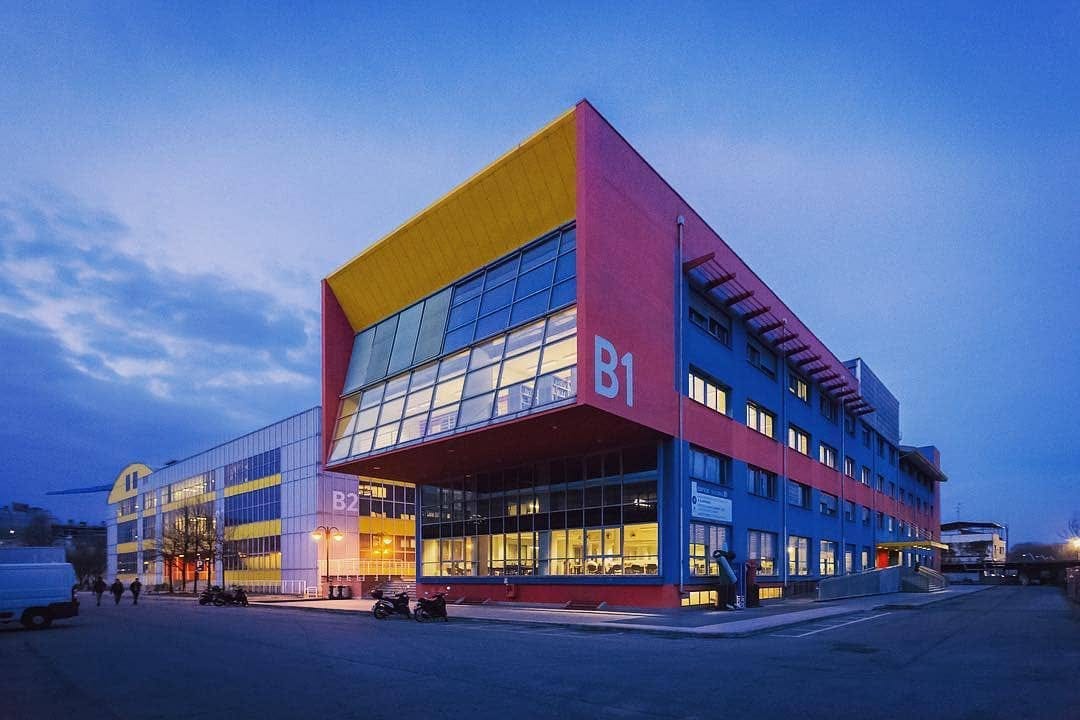
Campus Bovisa Durando ©leonino_foto
The Politecnico of Milan, one of the leading universities in Italy, has implemented a comprehensive energy conservation policy to reduce its carbon footprint and promote sustainability.
Over the years, the University has established an extensive network of measurement systems to monitor energy consumption. The system consists of a network of field sensors, such as electric and thermal energy meters, a database for collecting all measured data and a web platform for sharing and visualizing measured data. The monitoring system is used to quantify the University’s energy consumption at different levels of detail. In addition, the collected data allow defining the University’s energy strategies based on historical data analysis.
Due to this accomplishment, Politecnico of Milan is ranked 98th in the international ranking created by *Times Higher Education* that assesses university performance in regards to the United Nations’ 17 Sustainable Development Goals (SDGs).
Despite the efforts made to address energy consumption, some issues still persist. For instance, the average temperature in classrooms tends to be excessively high during cold seasons and too low during hot ones. Such problems can only be resolved by the institution itself, which may cross-reference the data collected from the monitoring system with feedback from the students to identify and address a solution. By taking a proactive approach to addressing these issues, the institution can create a more conducive learning environment that supports the academic success of its students, while also reducing its overall energy consumption and environmental impact.
In addition to institutional challenges, energy consumption on campus can also be influenced by individual behavior, such as leaving devices constantly charging or failing to turn off lights when leaving the classroom. For this reason we wanted to focalize our attention on the use of elevator as it is an unnecessary use of energy easily solvable with changing student’s habits.
A study from University of Verona underlined that the average energy consumption of an elevator accounts for about 5% of the total electricity consumption of an office building. Moreover, it is estimated that an elevator in stand-by mode comes to draw an average electrical power of about 2 kW, thus resulting in an annual electrical consumption of about 10,000 kWh, which represents a considerable share of the elevator’s total annual electrical consumption of between 25 and 80%. Every time we do not use the elevator, we save about 0.05 kWh.
So we would like to face the problem inducing students to use stairs, instead of elevator, without forcing them or limitat their freedom of choice. This is possible by using simple Nudges.
NUDGE THEORY
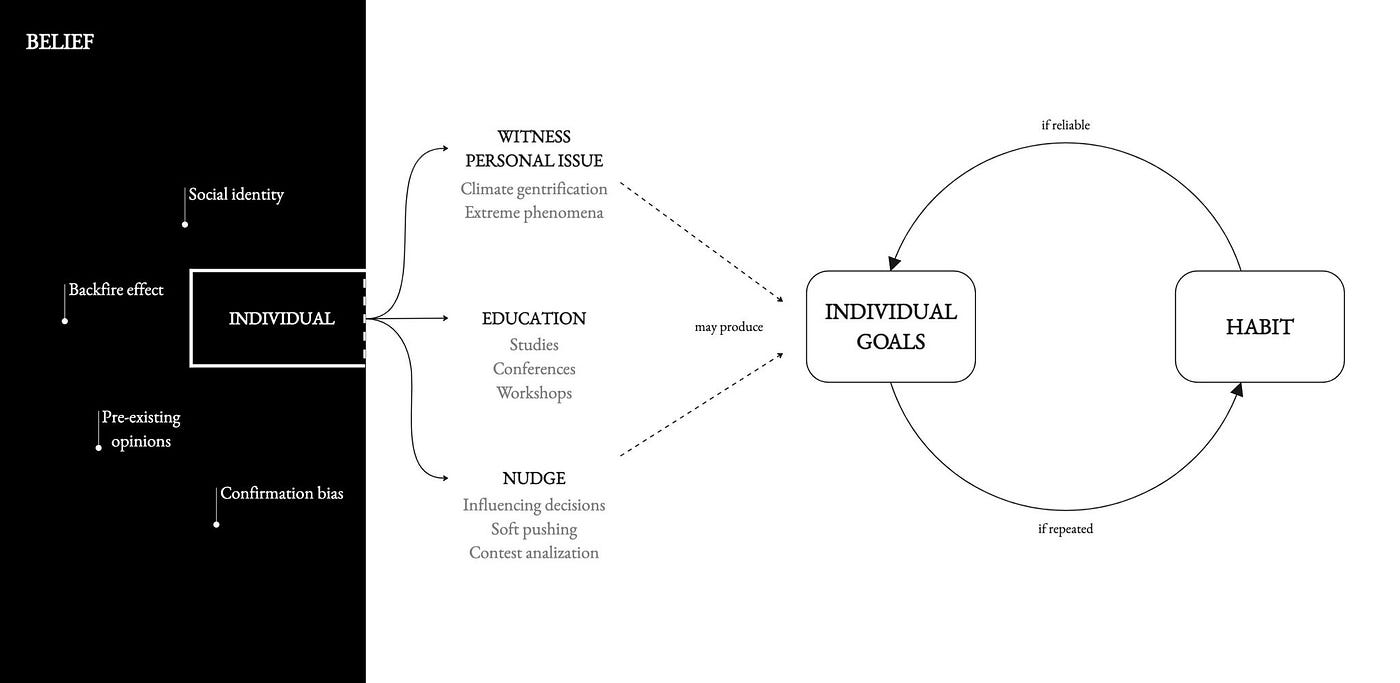
Nudge theory is a concept that was developed in the early 2000s by two economists, Richard Thaler and Cass Sunstein. At its core, nudge theory is about encouraging people to make better choices by subtly influencing their behavior, rather than using direct commands or regulations. This concept has been applied in many areas, including healthcare, finance, or environmental policies.
In the context of sustainability, nudge theory is becoming increasingly relevant. The goal is to encourage people to adopt environmentally-friendly behaviors without forcing them to do so.
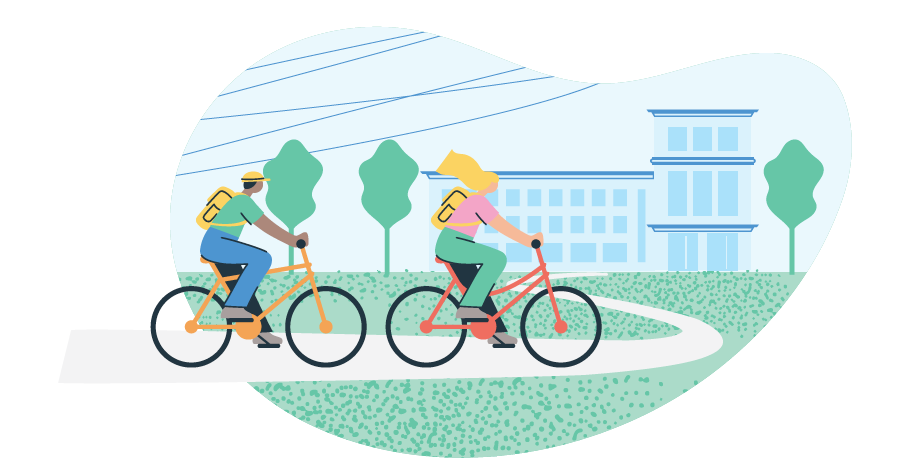
Little things can make the difference ©VectorsBang
There are many examples of green nudges that universities can use to encourage sustainable behaviors. For example, by placing recycling bins in high-traffic areas and making them easily accessible, universities can make it more convenient for people to recycle. An interesting case study is represented by The University of Malta, which has reduced paper use by establishing a default of having students digitally submit assignments and research ethics applications.
By encouraging sustainable behaviors, universities can help to promote a culture of environmental stewardship among students and staff. This can have positive effects on the broader community and help to create a more sustainable future. Of course, there are challenges to implementing green nudges in universities. For one, it can be difficult to determine which nudges are most effective and how to measure their impact.
Does PoliMi use Nudges? We searched through the areas and constructions of Politecnico di Milano’s design district, Campus Bovisa Durando, to find potential applications of nudge theory. Nonetheless, we didn’t come across any practical examples that could influence the behavior patterns of individuals who visit the university.
Given the lack of institutional applications, we focused our analysis on a particular context that we personally experienced during our time at PoliMi. In fact, each of us has at least once faced the choice of taking the elevator rather than the stairs to reach the upper floors.
RESEARCH AND INSIGHT

The main hall of PoliMi, Campus Bovisa Durando ©Susanna Yu Bai
The research began by analyzing the behavior of 70 students using a participant observation method. The findings revealed several insights about their behavior. For instance, 63% of students preferred using the elevator over the stairs. Further interviews showed that most students only used the stairs when they needed to go to the first floor, but took the elevator to go to the second floor. We also found that individuals’ choices were influenced by the group they were with, as they tended to follow the majority’s choice. The main reason for the elevator preference was that the stairs were perceived as hard and inconvenient, and most students only used them for health reasons.
After conducting the research, we realized that our focus should be on encouraging people to use the stairs by making them more appealing and attractive. By addressing the perceived inconvenience and difficulty of using the stairs, we hope to influence behavior change in individuals and encourage them to make more sustainable choices.
SKIP THE STEP IF

The project aims to make using the stairs more enjoyable and interactive for students. The wayfinding made by the phrase “SKIP THE STEP IF”, printed on the floor in front of the entering doors, catches the attention and guides people towards the stairs. When someone reaches the bottom the game begins: sentences with an ironic tone are printed on the steps, if a student relates to the meaning of the sentence, he will skip the corresponding step.

The stairs will feature sentences with a playful and ironic tone that encourage students to skip a step if they relate to the meaning of the sentence. Examples of the phrases include needing a coffee break, being late, or feeling cute that day.

To prevent the campaign from becoming repetitive, we plan to change the phrases monthly and involve students in the creative production of new ideas through an Instagram account.
We also wanted to add a useful feature to some of the stairs’ steps, as many students struggle to find an empty classroom to study or work. By scanning a QR code on the stairs, students will be directed to a website that displays all the available empty classrooms for that day.

Overall, the project seeks to create a fun and engaging way to encourage students to choose the stairs over the elevator and make more sustainable choices in their daily lives.
메타데이터
- post_id
- 4361dcbf23b4
- slug
- day-5-4361dcbf23b4
- url
- https://medium.com/@esselle/day-5-4361dcbf23b4
- canonical_url
- https://medium.com/@esselle/day-5-4361dcbf23b4
- author_url
- https://medium.com/@esselle
- status
- ok
- fetched_at
- 2026-07-26 03:29:24